
Owning classic Tagalog movies on DVD is the ultimate way to preserve the golden eras of Philippine cinema. While digital platforms offer convenience, they are subject to volatile licensing agreements that can cause iconic films to vanish overnight. For dedicated cinephiles and collectors, building a physical library of a “tagalog movies dvd” collection guarantees permanent access to these cultural treasures in their best possible quality.
Physical media remains the gold standard for film preservation. Many classic Filipino films have suffered from decades of poor storage, leaving original celluloid prints damaged or lost. By collecting official, restored DVD releases, you secure a tangible piece of history and support the ongoing, costly efforts to locate, clean, and digitize the country’s cinematic heritage.
Beyond preservation, physical discs deliver superior video bitrates and uncompressed audio tracks that streaming services simply cannot replicate. They also serve as curated historical packages, often bundled with exclusive director commentaries, archival behind-the-scenes footage, and booklets written by local film scholars. This guide explores why physical media is essential for classic Philippine cinema, what to look for when buying, and how to protect your investment from tropical humidity.
Products mentioned in this guide
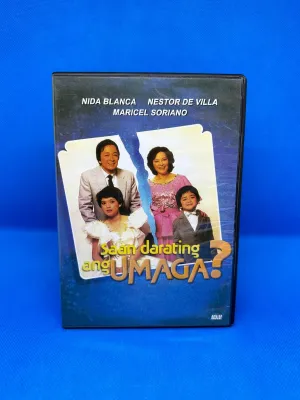



Prices are valid at publication and may change. Please refer to the product page for the latest price.
Why Collect Classic Filipino Movies on DVD?
Streaming platforms have revolutionized how we consume media, but they are highly unreliable archives for regional cinema. Classic Tagalog films frequently cycle on and off digital catalogs due to expiring distribution rights, platform restructuring, or regional geoblocks. A physical DVD ensures that your favorite cinematic masterpiece is always on your shelf, completely immune to internet outages or corporate licensing shifts.
Video compression is another major drawback of digital streaming. Platforms heavily compress data to save bandwidth, which often flattens the rich contrast and grain structure of films shot on 35mm celluloid. Classic Filipino films from the 1970s and 1980s rely heavily on atmospheric lighting and shadow play. A high-quality DVD release preserves these delicate visual nuances far better than a compressed online stream.
Furthermore, physical editions are designed to be comprehensive educational packages. When you buy a collector’s edition DVD, you often gain access to invaluable supplementary materials. These can include rare interviews with surviving cast members, deleted scenes, vintage promotional posters, and critical essays that contextualize the film’s social and historical impact. These features are rarely, if ever, included on digital streaming services.
Finally, purchasing legitimate physical media directly supports local film preservation. Revenue from official DVD sales often flows back to organizations like the ABS-CBN Film Restoration project (Sagip Pelikula) and the Film Development Council of the Philippines (FDCP). Your purchase directly funds the complex, frame-by-frame restoration of other endangered classics, ensuring future generations can experience them.
What to Check Before Buying a Tagalog Movie DVD
Before purchasing any classic film on physical media, it is crucial to verify the technical specifications of the release. Never infer the contents, language options, or video quality of an edition solely from its cover art or title. Taking a few moments to check the back cover or product listing will prevent compatibility issues and ensure you are buying a high-quality transfer.

Region Codes and Player Compatibility
DVDs are globally divided into region codes to control distribution. The Philippines is traditionally categorized under Region 3 (Southeast Asia). However, many restored classic Tagalog movies are published by international boutique labels or cultural institutions using Region 0 (Region Free) or Region All formatting.
Before buying, check your DVD player’s manual to verify if it is locked to Region 3 or if it supports multi-region playback. If you are planning to play the disc on a game console or a computer drive, ensure your playback software is compatible with the disc’s regional encoding.
Restoration Quality and Authorized Sources
Always look for official restoration credits on the packaging. Recognized bodies such as the ABS-CBN Film Restoration project, the FDCP, or prestigious international labels like the Criterion Collection or Second Run indicate a high-quality transfer. These releases use advanced digital tools to clean up scratches, stabilize shaky frames, and correct color fading.
Avoid unremastered, cheap releases from unauthorized distributors. These are often made from old, degraded VHS tapes or faded television broadcast prints, resulting in blurry images, muffled audio, and a highly disappointing viewing experience.
Audio Tracks and Subtitle Options
Verify that the DVD contains the original Tagalog audio track, typically presented in its original Dolby Digital Mono or Stereo format. For collectors who wish to share these films with non-Filipino speakers or international scholars, check for optional, professionally translated English subtitles. Avoid older, budget releases that feature hardcoded, poorly translated subtitles that cannot be turned off, as they can obstruct the cinematography.
Aspect Ratio and Video Standards
Classic films were shot in various theatrical aspect ratios, with many older titles utilizing a standard 4:3 (1.33:1) frame. High-quality collector’s editions will state “Original Aspect Ratio” (OAR) on the back cover. Be cautious of releases that have been cropped or stretched to fit modern 16:9 widescreen televisions, as this distorts the original composition and cuts off vital visual information at the top and bottom of the frame.
Essential Classic Filipino Films for Your DVD Collection
Building a physical media library requires selecting titles that represent the absolute pinnacle of Philippine storytelling, artistic direction, and historical significance. The following curated recommendations are essential cornerstones for any serious collector.
Masterpieces of the Second Golden Age
The 1970s and early 1980s are widely celebrated as the Second Golden Age of Philippine cinema, a period of intense creative expression and social commentary led by visionary directors.
- Maynila sa mga Kuko ng Liwanag (Manila in the Claws of Light, 1975): Directed by National Artist Lino Brocka, this film is universally regarded as one of the greatest Filipino films ever made. It follows a young fisherman named Julio Madiaga as he navigates the unforgiving, predatory streets of Manila in search of his lost love, Ligaya Paraiso. The meticulously restored DVD edition—often released in collaboration with international cinematic foundations—features a stunning 4K transfer that rescues the film's stark, realistic color palette and atmospheric cinematography from severe degradation. Owning this on DVD allows you to appreciate the incredible detail of Brocka's street-level realism, accompanied by historical essays and interviews with the cast.
- Himala (Miracle, 1982): Directed by Ishmael Bernal and starring Nora Aunor in her career-defining role, this film explores the mass hysteria, commercialization, and moral complexity that engulf a remote, drought-stricken village when a young woman claims to have seen the Virgin Mary. The restored DVD version preserves the haunting, desolate beauty of the desert-like landscapes of northwestern Luzon. The physical release features clean, restored audio that highlights the power of Aunor's iconic dialogue and the ambient sounds of the wind-swept plains, making it a vital addition to any collection focusing on cinematic art.
Psychological Thrillers and Cult Classics
For collectors drawn to tense, atmospheric filmmaking and sharp social allegories, the works of directors like Mike de Leon offer unparalleled psychological depth.
- Kisapmata (In the Wink of an Eye, 1981): Directed by Mike de Leon, this claustrophobic psychological thriller is based on a real-life crime report by Nick Joaquin. It depicts the terrifying control an authoritarian patriarch exerts over his household and his newly married daughter. The film's tense pacing and shadow-heavy cinematography benefit immensely from the high bitrate of a physical DVD, preventing the dark, suspenseful scenes from turning into a muddy, pixelated mess. Limited collector's editions of this film are highly prized, often featuring analytical booklets that unpack the film's complex symbolism.
- Batch '81 (1982): Another masterpiece from Mike de Leon, this film delves into the brutal, dehumanizing initiation rites of a university fraternity. It serves as a powerful allegory for blind obedience and psychological conditioning. Collecting Batch '81 on DVD is particularly important because physical releases preserve the raw, uncut theatrical version. Television broadcasts and some digital streams occasionally censor or alter the film's intense psychological and physical sequences, making the physical disc the only way to experience the director's original, uncompromising vision.
Landmark Epics and Independent Milestones
To round out your collection, it is essential to include sweeping historical narratives and early independent films that challenged traditional studio conventions.
- Perfumed Nightmare (Mababangong Bangungot, 1977): Directed by Kidlat Tahimik, the father of Philippine independent cinema, this film is a whimsical, deeply philosophical exploration of neo-colonialism, technology, and cultural identity. Because of its highly independent, low-budget origins, physical copies are incredibly rare and are typically distributed by specialized educational institutions, university presses, or international art-house publishers. Owning this film on DVD is a badge of honor for serious cinephiles, offering rare director essays and multi-language subtitle options that cater to international film scholars.
- Ganito Kami Noon… Paano Kayo Ngayon? (As We Were, 1976): Directed by Eddie Romero, this sweeping historical romantic comedy-drama is set during the twilight of the Spanish colonial period and the dawn of the American occupation. It follows a naive provincial man named Kulas as he travels across a changing landscape, grappling with the very concept of what it means to be a "Filipino." The restored DVD edition preserves the vibrant, lush period costumes and scenic rural backdrops, offering a beautifully clean presentation of a film that is both highly educational and deeply entertaining.
Where to Find Authentic Filipino Movie DVDs
Sourcing legitimate physical media in the Philippines requires caution, as counterfeit copies and unauthorized DVD-R burns are common in the local market. To ensure your money supports actual preservation efforts and that you receive a high-quality product, always buy from verified sellers.
Reputable Online Marketplaces and E-Commerce Platforms
When browsing major online marketplaces, look for official brand stores or sellers with authorized distributor badges. Always check user reviews and ratings specifically looking for photos of the physical product. Authentic DVDs will have professionally printed covers, clear security holograms, and silver-bottomed pressed discs. Avoid listings with suspiciously low prices (e.g., under ₱150) or descriptions that mention “burned discs” or “DVD-R format.”
Specialized Stores and University Bookstores
For academic, historical, and independent releases, university press bookstores—such as the Ateneo de Manila University Press or the University of the Philippines Press—are excellent sources. These institutions frequently publish or distribute physical media packages of culturally significant films. Additionally, look for official merchandise booths at major local film festivals, including:
- QCinema International Film Festival
- Cinemalaya Independent Film Festival
- Pista ng Pelikulang Pilipino
Identifying Bootleg Copies
To protect your collection and support the industry, learn to spot counterfeit releases. Use these quick verification checks:
- The Disc Surface: Authentic, professionally manufactured DVDs have a silver reflective data layer. Bootlegs are typically burned on purple, blue, or dark green DVD-R discs.
- Packaging and Print Quality: Look closely at the cover art. Genuine releases feature sharp, high-resolution text and vibrant colors. Bootlegs often have blurry, pixelated graphics, spelling errors, and lack official copyright logos or barcodes.
- Menu and Features: Authentic DVDs feature professional, interactive menus with audio and subtitle setup options. Counterfeit discs often boot directly into the movie without a menu or contain low-quality, uncompressed files copied from streaming sites.
Joining Collector Communities
One of the best ways to source rare, out-of-print, or imported classic Tagalog DVDs is by joining local physical media collector groups on social media platforms and online forums. Members frequently trade, sell, or share leads on where to find rare titles. These communities are also excellent resources for verifying the authenticity of a specific release before you make a purchase.
How to Protect Your DVD Collection in a Humid Climate
The tropical climate of the Philippines poses unique challenges for physical media collectors. High temperatures and relative humidity levels can cause severe damage to your DVDs, leading to disc rot, delamination, and mold growth on paper inserts.
Optimal Storage Conditions
Store your DVD collection vertically, similar to books on a shelf. Stacking discs horizontally can put uneven pressure on the plastic layers, potentially causing warping over time. Keep your storage shelves in a cool, dry, and well-ventilated room. Avoid placing your shelves against outer walls that absorb heat from the tropical sun, and keep them far away from windows, air conditioning units, or heat-generating electronics.
Moisture Control
To actively combat high humidity, store your DVDs in closed wooden cabinets or heavy-duty plastic storage bins. Place several silica gel packets inside the storage containers to absorb excess moisture. Remember to check these packets every few months; you can replace them or dry them out according to the manufacturer’s instructions to maintain their effectiveness.
Handling and Cleaning
Always handle your discs by their outer edges or the center hole, ensuring your fingers never touch the reflective data surface. Natural skin oils can attract dust and promote fungal growth in humid environments.
If a disc accumulates dust or fingerprints, check the manufacturer’s care instructions for both your player and the media. To clean the disc safely, use a soft, dry, lint-free microfiber cloth. Gently wipe the surface in a straight line from the center hole outward to the edge. Never wipe in a circular motion, as circular scratches can follow the data tracks and cause permanent, unrecoverable read errors on your DVD player.
Community discussion
Share your experience or ask a question. Comments are reviewed before publication.