
Choosing between an entry-level and an intermediate Yamaha 88-key digital piano depends on your current playing technique, long-term musical goals, and budget. Beginners focusing on basic note recognition and casual play will find entry-level models highly capable, while aspiring classical pianists, jazz players, and studio producers benefit significantly from the advanced key actions, higher polyphony, and robust sound engines found in intermediate instruments.
In the Philippines, where high humidity can affect traditional acoustic pianos, a digital piano offers a stable, low-maintenance alternative. Selecting the right tier ensures you do not outgrow your instrument too quickly or pay for advanced features you may not use. By understanding the key differences in touch, sound, and connectivity, you can make an informed investment that supports your musical journey.
Defining the Tiers: What Separates Entry-Level from Intermediate?
Entry-level digital pianos are designed primarily for portability, simplicity, and affordability. They typically feature lightweight plastic chassis, basic speaker systems, and streamlined control interfaces that prioritize ease of use for beginners. These instruments are ideal for those who need a portable keyboard that can be easily set up on a folding stand or stored away when not in use.
Products mentioned in this guide
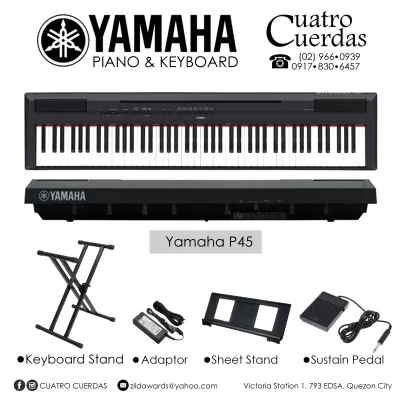
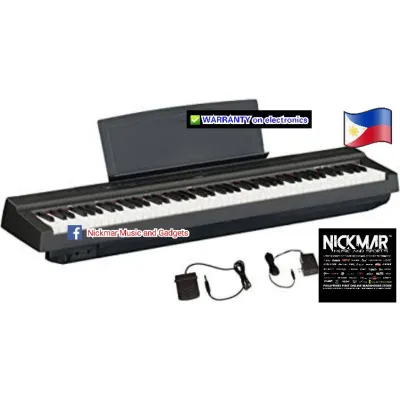
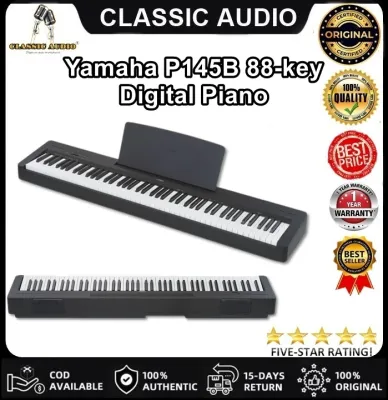
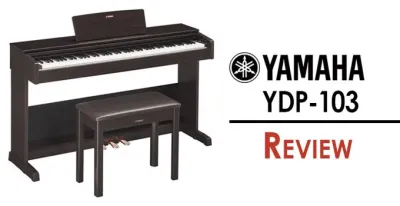
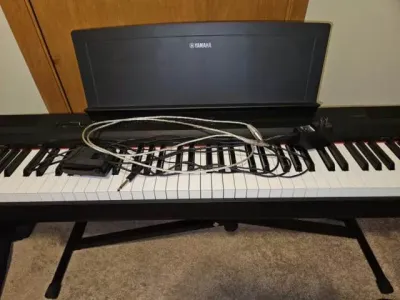
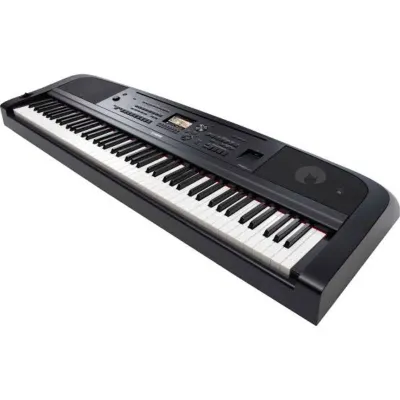
Prices are valid at publication and may change. Please refer to the product page for the latest price.
Intermediate models transition toward replicating the physical presence and acoustic response of a traditional upright or grand piano. These instruments often feature heavier, more rigid cabinets, multi-speaker arrays that direct sound both upward and downward, and advanced processing chips dedicated to high-fidelity acoustic modeling. They are designed to remain in a dedicated space, serving as a semi-permanent fixture in a living room or studio.
The core distinction lies in how each tier balances physical portability with acoustic realism. While an entry-level model is easy to pack away or transport to a local gig, an intermediate model offers a more immersive playing experience. The physical cabinet of an intermediate piano also provides better acoustic resonance, allowing the built-in speakers to project sound more naturally.
Key Action and Touch Response: Matching Feel to Skill Level
A fully weighted, graded hammer action is essential for developing proper finger strength and control, especially if you plan to play classical or jazz music. Graded action mimics an acoustic piano by making the lower keys feel heavier to the touch than the higher keys. This physical resistance is crucial for building the muscle memory required to play on traditional acoustic instruments.

Entry-level Yamaha models often utilize basic weighted actions, such as the Graded Hammer Standard (GHS) or newer compact equivalents, which provide a solid foundation for beginners but may feel slightly light or springy to advanced fingers. Intermediate models upgrade to more sophisticated mechanisms, such as Graded Hammer 3 (GH3) or wood-composite keys, which incorporate triple-sensor systems for faster key repetition and a more authentic resistance.
If your musical focus is primarily synthesizer leads, organ pads, or simple pop accompaniment, a lighter or semi-weighted action might suffice and reduce hand fatigue. However, anyone serious about transitioning to an acoustic piano should verify the key action specifications on the manufacturer’s official product manual or label to ensure it features a true graded hammer system. Testing the keys in person at a local showroom can also help you assess the physical response and key return speed.
Sound Engine, Polyphony, and Audio Output
Polyphony refers to the maximum number of individual notes or voices a digital piano can play simultaneously. When playing complex classical pieces with the sustain pedal depressed, notes can cut off abruptly if the polyphony limit is too low. This technical limitation can hinder your performance as you progress to more advanced repertoire.
Entry-level models typically offer polyphony limits of 64 or 128 notes, which is perfectly adequate for early-stage learning and simple arrangements. Intermediate models often double this capacity to 192 or 256 notes, ensuring that even dense, sustained chords and layered instrument sounds decay naturally without clipping. This higher limit is especially important when layering sounds, such as combining piano and strings.
The sound engine itself also differs, with intermediate models utilizing multi-layered acoustic samples and virtual resonance modeling to simulate how strings vibrate against each other inside a piano cabinet. Additionally, you should check the speaker wattage; entry-level models usually feature modest 6-watt to 8-watt speakers suitable for quiet rooms, whereas intermediate models boast 15-watt to 20-watt systems that deliver richer bass and clearer highs without distortion.
Connectivity, Features, and Long-Term Usability
Modern digital pianos serve as versatile hubs for learning and music production, making connectivity a vital consideration. A standard USB-to-Host port is essential for connecting the piano to a computer or tablet to use digital audio workstations (DAWs) or interactive learning apps. This basic connection is standard across both entry-level and intermediate tiers.
Intermediate models frequently expand on basic connectivity by offering dedicated auxiliary outputs (L/Mono, R) for direct connection to external amplifiers or PA systems, as well as built-in Bluetooth audio and MIDI. These wireless features allow you to stream backing tracks directly through the piano’s speakers or connect to instructional software without cluttering your space with cables. Dedicated outputs are particularly useful if you plan to use the instrument for live performances or church services.
Consider the physical environment of your home, particularly in tropical climates where dust and humidity are constant factors. A portable entry-level keyboard is easy to cover and store when not in use, while a heavy intermediate console model requires a dedicated, well-ventilated space and a sturdy stand that can support its weight safely. Ensure that any stand you choose is compatible with the specific dimensions and weight of your selected model.
Price Points and Value Assessment
When budgeting for a digital piano in the Philippines, it is important to research current retail prices in ₱ across authorized local music distributors and official brand websites. Entry-level 88-key models generally represent a highly accessible entry point, making them an attractive option for families testing a child’s long-term interest in the instrument. Intermediate models require a more substantial financial commitment but offer features that prevent the need for a premature upgrade.
Be sure to account for essential accessories that may not be included in the base package, such as a sturdy double-X or wooden stand, a comfortable bench, a high-quality sustain pedal, and closed-back headphones for silent practice. These additional items can add several thousand pesos to your total investment, so verifying what comes in the box is crucial before finalizing your purchase. Some retailers offer bundle deals that include these accessories at a discount.
The break-even point for upgrading to an intermediate model occurs when you anticipate sticking with the instrument for more than two or three years. Investing in an intermediate piano upfront can save you money in the long run by eliminating the need to trade in an entry-level model once your finger technique and musical ear outgrow its technical limitations. Consider your long-term commitment level before deciding which tier offers the best overall value.
The Decision Framework: Which Tier Fits Your Current Needs?
To make your final decision, evaluate your current skill level, space constraints, and long-term musical aspirations. A clear understanding of your personal goals will help you avoid overspending on features you do not need or underspending on an instrument you will quickly outgrow.
Choose an entry-level Yamaha 88-key digital piano if:
- Your budget is strictly limited and you want to minimize upfront costs.
- Your living space is small, requiring an instrument that can be easily stored or moved.
- Your primary goal is casual playing, learning basic music theory, or using the keyboard as a simple MIDI controller.
Choose an intermediate Yamaha 88-key digital piano if:
- You are committed to developing advanced classical, jazz, or pop piano techniques.
- You require a highly realistic key touch and a sophisticated sound engine for expressive performances.
- You plan to record music, perform live, or use the instrument as a permanent centerpiece in your home.
Before purchasing, always verify the specific model’s power supply compatibility with local voltage standards and purchase from an authorized dealer to secure a valid local warranty. This ensures your investment is protected against manufacturing defects and electrical issues.
Frequently Asked Questions (FAQ)
Do I need an 88-key digital piano as a beginner?
Yes, starting with a full 88-key keyboard is highly recommended for beginners because it establishes proper spatial awareness and allows you to play any piece of sheet music without running out of keys. While smaller 61-key or 76-key keyboards may be acceptable for very young children or specific synthesizer tasks, they lack the full range needed for standard two-handed piano arrangements and classical repertoire. Developing proper hand positioning is much easier when practicing on a full-size keyboard from day one.
Can I use an entry-level Yamaha digital piano for live gigs?
You can use an entry-level model for casual gigs due to its lightweight design and easy portability, but you may encounter practical limitations on stage. Entry-level models often lack dedicated auxiliary outputs, forcing you to use the headphone jack to connect to a PA system, which can result in weaker signal strength and lower audio quality. Intermediate models are generally better suited for professional gigging because they offer robust build quality, dedicated line outputs, and more powerful sound projection.

Community discussion
Share your experience or ask a question. Comments are reviewed before publication.