
Comparing entry-level DAC/amps for bass-heavy music is not about finding a single, universally superior device. Instead, it requires understanding how an amplifier’s electrical output interacts with your headphones’ drivers. For bass-forward genres like EDM, hip-hop, or vinyl playback, a digital-to-analog converter (DAC) and amplifier setup acts as a crucial bass amplifier by providing the necessary current to control low-frequency drivers.
In the entry-level market, devices vary widely in how they handle the demanding energy requirements of low frequencies. Some rely on clean, uncolored power delivery, while others offer hardware-level equalization to physically boost the low end. Finding the right match for your listening habits in the Philippines—whether you are commuting through humid transit environments or setting up a dedicated listening corner at home—depends on verifying key technical specifications rather than relying on vague marketing promises.
Key Hardware Specs That Define Bass Performance
To understand how a portable or desktop DAC/amp functions as an effective bass amplifier, you must look at how it delivers power. Low-frequency sound waves require the physical movement of a large volume of air, which means your headphone drivers must move further and with more authority than they do for treble frequencies. This physical movement demands robust current delivery from the amplifier.
Products mentioned in this guide
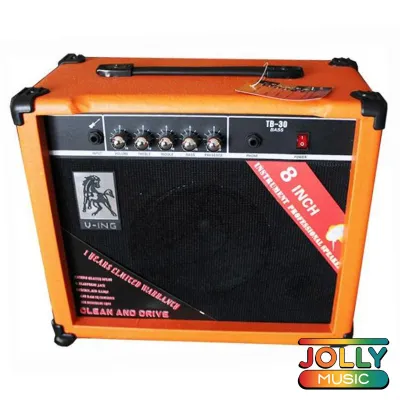
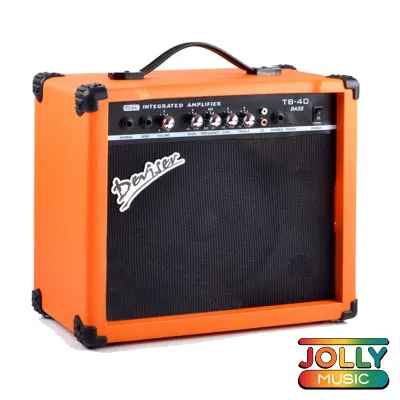
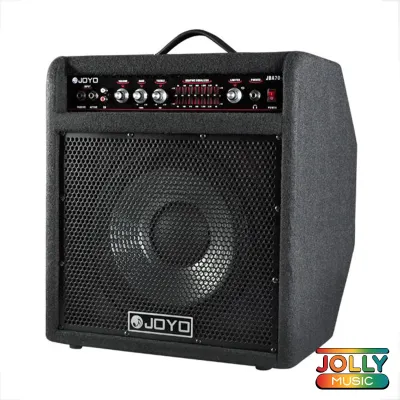
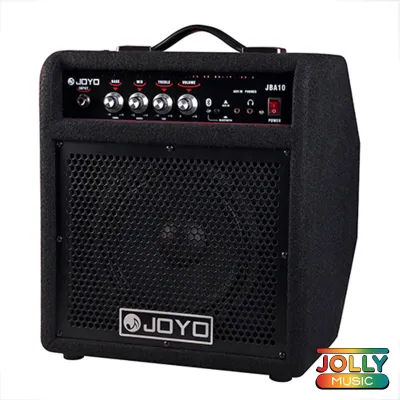
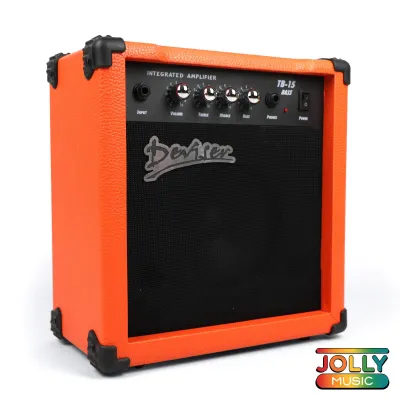
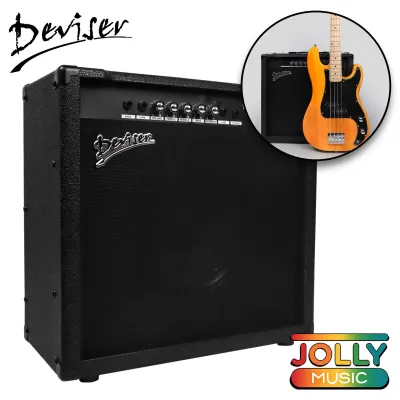
Prices are valid at publication and may change. Please refer to the product page for the latest price.
When an amplifier lacks sufficient current, the bass response is often the first thing to suffer. You might notice the low end sounding loose, muddy, or rolled off, particularly during fast, complex transient passages in electronic music. High voltage swing is important for high-impedance headphones, but current is the driving force that keeps planar magnetic and low-impedance dynamic drivers tightly controlled.
Another critical factor is how the device handles low-frequency equalization. Hardware bass boost toggles operate in the analog domain, using physical resistor-capacitor (RC) networks to boost specific low frequencies before the signal is amplified. This method adds a warm, organic shelf to the sound without reducing digital headroom or causing digital clipping. Software EQ, on the other hand, offers precise control over specific frequency bands but requires you to lower the pre-amp volume in your media player to prevent digital distortion.
Output impedance is the final piece of the hardware puzzle. To maintain a high damping factor—which is the amplifier’s ability to control the motion of the headphone driver after a signal stops—the amplifier’s output impedance should ideally be less than one-eighth of your headphones’ nominal impedance. A high output impedance reduces this control, resulting in bloated, uncontrolled bass that spills into the midrange frequencies.
Matching the DAC/Amp to Your Headphones and Genres
Your choice of DAC/amp must align with the specific physical characteristics of your listening gear. If you primarily use high-sensitivity in-ear monitors (IEMs), your main concern is not raw power, but the noise floor. Highly sensitive multi-driver or hybrid IEMs easily pick up background electrical noise, resulting in an audible hiss during quiet intros or silent passages in hip-hop tracks. For these setups, you need a DAC/amp with an ultra-low noise floor and a highly precise volume control to avoid channel imbalance at low listening levels.

Conversely, full-size, hard-to-drive headphones demand a completely different power profile. Planar magnetic headphones, which are popular for their fast and linear bass response, have flat impedance curves but very low sensitivity. Driving them with a weak dongle DAC will result in compressed dynamics and a lifeless low end. These headphones require a robust desktop unit or a high-output portable amplifier that can deliver sustained current without overheating, especially in warm, tropical climates.
Different music genres also place unique demands on your playback chain. Electronic dance music (EDM) relies heavily on fast transient response—the ability of the driver to start and stop instantly on synthesized kick drums and rapid basslines. A clean, neutral amplifier with high damping control ensures these beats remain punchy and distinct.
For hip-hop and older vinyl recordings, a slightly warmer sound signature is often preferred. Hip-hop tracks frequently feature sustained sub-bass notes from 808 drum machines, which benefit from an amplifier that can maintain steady power delivery without sagging. Vinyl pressings, which sometimes exhibit a natural low-frequency roll-off due to mastering limitations, can be revitalized using a clean analog bass boost that gently lifts the sub-bass without introducing harsh digital artifacts.
Comparison Matrix: What to Verify Before Buying
Before purchasing an entry-level DAC/amp from an online marketplace or specialty audio retailer, you should consult the manufacturer’s official specification sheets. Do not rely on promotional graphics; instead, look for detailed technical manuals or PDF spec sheets to verify the following dimensions.
| Specification Dimension | What It Measures | Ideal Target for Bass-Heavy Music | How to Verify |
|---|---|---|---|
| Output Power at 32Ω | The continuous power the amp can deliver into a standard headphone load. | Minimum 150mW (for IEMs) / 500mW+ (for full-size headphones). | Look for "RMS Power" or "Continuous Power" specified at 32 ohms, not "Peak Power." |
| Output Impedance | The internal electrical resistance of the amplifier's output stage. | Ideally less than 1.0 Ohm (especially for low-impedance IEMs). | Check the specifications for "Output Impedance" or "Z-out." Avoid devices that omit this spec. |
| Bass Boost Type | How the device enhances low-frequency signals. | Analog hardware switch (for plug-and-play warmth) or clean digital DSP. | Verify if the boost is an analog circuit toggle or if it requires a proprietary software app. |
| Signal-to-Noise Ratio (SNR) | The ratio of the audio signal to the background electrical noise. | 115 dB or higher (to ensure a black background with sensitive IEMs). | Look for the SNR or THD+N (Total Harmonic Distortion plus Noise) ratings in the official manual. |
When evaluating these specifications, watch out for common red flags. A major warning sign is an exceptionally high power claim (such as “1000mW”) that does not specify the load impedance or the distortion level at which it was measured. Additionally, if a manufacturer completely hides the output impedance specification, it may indicate a high-impedance design that could cause your headphones’ bass to sound loose and uncontrolled.
Decision Framework: Which Setup Should You Choose?
To finalize your decision, evaluate your current listening habits, your primary playback gear, and your physical environment. You can use the following scenarios to guide your purchase:
- Choose a portable DAC/amp with a physical analog bass boost switch if you primarily use neutral-sounding, easy-to-drive IEMs and want instant, system-wide low-end enhancement. This setup is ideal for commuting or listening on the go, as it allows you to add punch to your music without needing to configure software EQ profiles on your phone or portable player.
- Choose a high-current, neutral desktop amplifier if you use power-hungry, full-size dynamic or planar magnetic headphones at home. In this scenario, you should prioritize raw power delivery and low output impedance, using your computer's software-based parametric EQ to fine-tune the bass frequencies to your exact liking.
- Avoid buying an external device entirely if your current source device (such as a modern, high-end laptop or a dedicated music player) already features a high-quality built-in DAC with a low output impedance and sufficient power. In this case, your budget of ₱3,000 to ₱8,000 is better spent directly on upgrading your headphones or investing in high-quality, lossless audio files.
Always verify device compatibility before making a purchase. Ensure the DAC/amp supports the specific digital audio formats and sample rates of your preferred streaming platforms. If you plan to use the device with a mobile phone, check the power draw specifications to ensure it will not drain your phone’s battery too quickly during long listening sessions.
Frequently Asked Questions (FAQ)
Can a portable DAC/amp act as a dedicated bass amplifier for passive speakers?
No, portable DAC/amps are designed specifically to drive headphones and cannot be used to power passive bookshelf or floor-standing speakers. Headphone amplifiers output power in milliwatts into relatively high impedances (typically 16 to 600 ohms). Passive speakers require tens or hundreds of watts of power into very low impedances (typically 4 to 8 ohms). Attempting to connect a portable headphone amplifier directly to passive speaker terminals can result in severe equipment damage or virtually no sound output. To drive passive speakers, you must connect the line-out of your DAC to a dedicated speaker power amplifier.
Will a more expensive entry-level model automatically provide deeper bass?
No, a higher price tag within the entry-level tier does not guarantee deeper or more abundant bass. In this price bracket, spending more money typically buys you better overall build quality, a wider variety of inputs and outputs (such as balanced connections), lower overall distortion, or longer battery life. The actual depth, quantity, and texture of the bass you hear are primarily determined by the physical limitations of your headphones’ drivers and the equalization profile you apply. A more expensive amplifier will only improve bass performance if your current amplifier is underpowering your headphones and causing the low end to distort or roll off prematurely.
Community discussion
Share your experience or ask a question. Comments are reviewed before publication.