
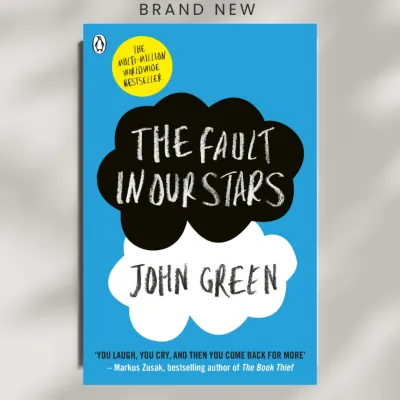
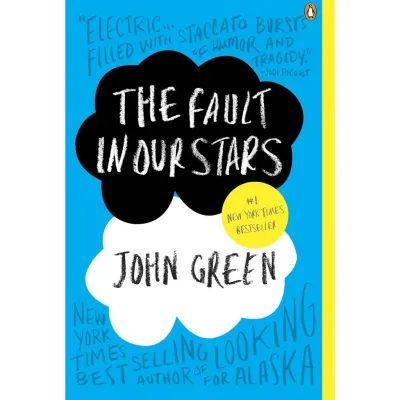
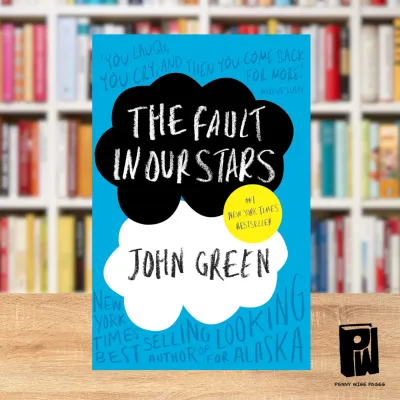
If the bittersweet journey of Hazel Grace Lancaster and Augustus Waters left a lasting mark on your heart, you are likely searching for your next deeply moving read. John Green’s landmark novel succeeded not merely because it depicted tragedy, but because it treated the lives, intellects, and romances of young people with profound respect. Finding a follow-up book requires looking beyond simple sadness; it requires finding stories that balance heavy emotional weight with sharp wit, authentic dialogue, and a deep curiosity about what it means to live a meaningful life.
Expanding your reading list to include both English and Tagalog young adult (YA) literature opens up a rich world of emotional storytelling. While Western contemporary novels often focus on individual existential journeys, local Filipino narratives frequently ground these same themes of love and loss within close-knit families and familiar cultural landscapes. By exploring both pathways, you can experience the universal themes of grief and connection from multiple, deeply resonant perspectives.
Identifying the Core Themes of The Fault in Our Stars
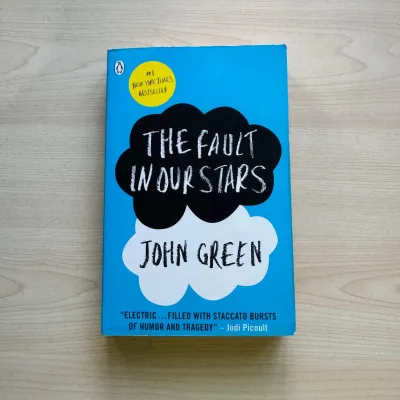
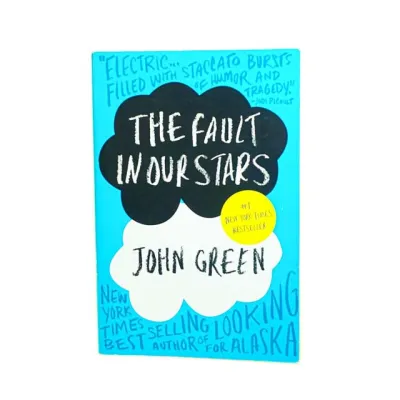
To find a book that matches the specific emotional frequency of John Green’s work, it helps to dissect what made the original story so compelling. The book is not a simple tear-jerker designed solely to make readers cry. Instead, its appeal lies in the delicate intersection of first love, terminal illness, and existential humor. The characters do not speak in clichés; they use witty, intellectual, and often sarcastic dialogue to cope with circumstances that would otherwise be entirely overwhelming. This balance of humor and tragedy keeps the narrative from feeling overly manipulative or bleak.
Products mentioned in this guide


Prices are valid at publication and may change. Please refer to the product page for the latest price.
There is a significant difference between purely sad books and emotionally impactful narratives that balance grief with authentic human connection. Melodramatic stories often rely on sudden, shocking tragedies to force an emotional response from the reader. In contrast, character-driven stories build deep, quiet connections between characters, making the inevitable losses feel personal and earned. When searching for your next book, look for narratives where the characters have distinct voices, personal philosophies, and lives that extend beyond their immediate suffering.
Ultimately, the baseline criteria for a worthy follow-up should focus on emotional honesty. Whether the characters are dealing with physical illness, mental health struggles, or the general pains of growing up, their experiences should feel genuine. The relationships depicted—whether romantic, platonic, or familial—should serve as a source of growth and self-discovery, helping both the characters and the reader navigate the complex realities of mortality and love.
English Young Adult Novels Exploring Love and Loss
For readers looking to continue their journey through contemporary English literature, several notable young adult novels offer a similar blend of romance, existential questioning, and emotional weight. A widely discussed candidate in this genre is They Both Die at the End by Adam Silvera. Set in a near-future world where a service called Death-Cast alerts people on the day they are going to die, the story follows two teenage boys who meet through an app to share one final, meaningful day together. The novel handles themes of mortality and friendship with a quiet, philosophical urgency, prompting readers to reflect on how they spend their own time.

Another prominent work that shares a direct thematic connection with medical struggles and young love is Five Feet Apart by Rachael Lippincott, written alongside Mikki Daughtry and Tobias Iaconis. This story centers on two teenagers living with cystic fibrosis who fall in love but must maintain a strict physical distance to prevent cross-infection. The narrative beautifully explores the tension between the human desire for physical closeness and the harsh boundaries imposed by chronic illness, making it a compelling option for those who appreciated the medical realities and romantic tension of John Green’s work.
For a story that delves deeply into mental health, grief, and the healing power of shared vulnerability, All the Bright Places by Jennifer Niven is highly regarded. The novel follows two teenagers who meet on the ledge of their school’s bell tower and subsequently partner up for a project to discover the natural wonders of their state. As they navigate their personal traumas and mental health challenges, their bond deepens in ways that are both beautiful and devastating. The book is known for its raw, unfiltered portrayal of emotional pain and the complex aftermath of loss.
When choosing among these English titles, consider the pacing and tone that best match your current reading preferences. Some stories lean heavily into philosophical reflection and slow-burn character development, allowing you to sit with the characters’ thoughts and decisions. Others offer immediate emotional intensity, driving the plot forward through high-stakes situations and urgent romantic connections. Recognizing these differences can help you select a book that aligns with the specific emotional experience you want to replicate.
Tagalog and Filipino Novels for Emotional Depth
Exploring local literature offers a unique and deeply personal way to experience themes of love, grief, and coming-of-age. Tagalog young adult and contemporary novels often approach these heavy topics through a distinct cultural lens. In many local narratives, personal grief is rarely experienced in isolation; instead, it is deeply intertwined with strong family dynamics, community support, and local societal expectations. This cultural grounding adds a layer of relatability and warmth, as characters navigate their struggles amidst the familiar backdrops of local neighborhoods, schools, and family households.
Rather than looking for direct translations of Western tropes, readers can discover incredibly rich emotional dramas by exploring established local publishing imprints and independent Filipino authors. Local publishers have long championed contemporary realistic fiction that tackles mental health, academic pressure, and romantic loss with sensitivity and nuance. These works often capture the specific anxieties of modern Filipino youth, balancing the weight of personal tragedies with the enduring hope and humor that characterize local culture.
One of the most powerful elements of modern Tagalog YA literature is the use of conversational language and the cultural concept of deep emotional expression, often referred to locally as drawing from deep personal experiences. The dialogue in these novels frequently mirrors how local teenagers actually speak, blending Tagalog and English to create a highly authentic and immediate connection with the reader. This linguistic familiarity makes the emotional highs and lows feel incredibly close to home, as the expressions of love and sorrow are tied directly to daily life in the Philippines.
To identify modern Tagalog novels that offer this level of emotional depth, look for contemporary realistic fiction or New Adult titles from local publishers. Many of these books move away from traditional, highly stylized romance formulas to focus on realistic character growth, the processing of grief, and the complexities of young relationships. Reading reviews on local book community spaces or checking the contemporary fiction sections of local distributors can help you find stories that treat heavy themes with the respect and honesty they deserve.
How to Evaluate and Choose Your Next Read
Selecting your next book after an emotionally intense reading experience requires a thoughtful approach to protect your own emotional well-being. Because many novels in this genre deal with heavy themes such as terminal illness, bereavement, and mental health struggles, it is highly recommended to check content warnings and trigger warnings before starting a new book. Many authors, publishers, and community-driven book review platforms provide detailed lists of sensitive topics covered in specific titles, allowing you to make an informed decision based on your current emotional capacity.
It is also helpful to consider how much light you need to balance the dark. While some readers find comfort in stories that end with absolute realism and bittersweet resolutions, others prefer narratives that offer a stronger sense of hope, recovery, or comedic relief. Pay attention to how authors use humor, supportive friendships, or creative passions to break up the tension in their stories. A well-balanced book can guide you through deep sadness without leaving you feeling entirely drained at the end of the final chapter.
Finally, reflect on how your choice of language might influence your reading experience. Reading contemporary YA in English can sometimes provide a comfortable aesthetic distance, allowing you to appreciate the philosophical and literary qualities of the story. On the other hand, reading in Tagalog can offer an incredibly intimate and culturally resonant experience, as the humor, family dynamics, and expressions of grief are deeply tied to the realities of local life. Alternating between the two can give you a well-rounded appreciation for how different cultures process the universal experiences of love and loss.
Where to Source English and Tagalog Books
Acquiring your next read in the Philippines is highly accessible through a variety of physical and digital channels. Major national bookstore chains, such as Fully Booked and National Book Store, maintain extensive young adult and contemporary fiction sections. Fully Booked is particularly well-known for its wide selection of imported English YA titles, while National Book Store frequently carries a robust inventory of both international bestsellers and locally published Tagalog literature. Visiting these physical stores allows you to browse the covers, read the jacket summaries, and feel the physical book before making a purchase.
For convenience, authorized online bookstores and official publisher storefronts on major ecommerce platforms are excellent resources. These digital channels allow you to easily check stock availability, read detailed product descriptions, and compare prices in ₱ without leaving your home. When purchasing online, always ensure you are buying from official brand stores or reputable independent book dealers to guarantee that you receive genuine, high-quality editions rather than unauthorized reprints.
If you prefer to read without making an immediate financial commitment, consider utilizing local library resources. Many university libraries, school reading programs, and public community libraries carry excellent selections of both English and Tagalog contemporary fiction. Additionally, digital library applications and authorized e-book platforms often partner with local institutions to provide free or low-cost access to digital editions, making it easier than ever to explore new authors and find your next favorite story.
Frequently Asked Questions (FAQ)
Are these novels suitable for younger teenagers?
While young adult novels are generally written for readers aged twelve to eighteen, the suitability of specific titles depends heavily on the individual reader’s emotional maturity. Books that explore terminal illness, mortality, and severe grief require a certain level of readiness to process heavy emotional themes. Parents and younger readers are encouraged to check the specific age ratings provided by publishers, which are often printed on the back cover or listed on official publisher websites. Reading community reviews on platforms dedicated to book discussions can also provide valuable insights into the intensity of the themes and whether a book is appropriate for a younger teen.
How can I find Tagalog audiobooks for these themes?
While English young adult audiobooks are widely available on major global digital audio platforms, the market for Tagalog audiobooks is still developing. To find local titles in audio format, start by checking the official websites and digital channels of established Philippine publishers, as some have begun producing audio versions of their popular contemporary novels. Additionally, some digital library services and local educational initiatives offer audio recordings of Filipino literature. Always ensure you are using authorized digital platforms and official publisher applications to access these recordings, which supports local voice artists and authors while ensuring high-quality audio playback.
Community discussion
Share your experience or ask a question. Comments are reviewed before publication.