
If the high-stakes arena, the defiant salute, and the rebellion against an oppressive capitol in The Hunger Games left you craving more, you are not alone. The young adult (YA) dystopian genre offers a vast landscape of stories that explore survival, societal collapse, and the enduring power of human resistance. For readers looking to transition from Panem to new worlds, the journey does not have to stop with Western bestsellers. By exploring both globally recognized English-language dystopian series and the rich, emerging landscape of Tagalog and local Filipino speculative fiction, you can discover fresh narratives that capture the same heart-pounding tension, moral complexity, and revolutionary spirit. Finding your next great read involves understanding what specific elements of Katniss Everdeen’s journey resonated with you—whether it was the survival mechanics of the arena, the political intrigue of the rebellion, or the deep-seated fight against systemic inequality—and using those preferences to navigate the diverse offerings available in local bookstores and digital libraries.
Core Elements to Look for in Your Next Dystopian Read
To find a book that matches the magic of your favorite dystopian franchise, it helps to dissect the specific narrative and thematic hooks that kept you turning pages. The most compelling dystopian novels rarely rely on a single trope; instead, they weave together survival mechanics, high-stakes action, and intense arena-style conflicts where characters are pushed to their absolute physical and psychological limits. These survival elements are often set against a backdrop of systemic oppression, where a highly stratified society uses propaganda, surveillance, and institutionalized inequality to maintain control over a disenfranchised population.
Beyond the macro-level political intrigue, the emotional core of these stories lies in complex character arcs and moral ambiguity. A great dystopian protagonist is rarely a perfect hero; they are often reluctant survivors forced to make compromising choices to protect themselves and those they love. Romantic subplots, when present, serve to heighten the stakes, offering a glimpse of humanity and vulnerability in a brutal world rather than simply acting as a distraction. When evaluating potential reads, consider the pacing and worldbuilding depth. Some readers prefer fast-paced, action-heavy narratives that jump straight into the conflict, while others enjoy slow-burn political thrillers that meticulously build the history and mechanics of their oppressive societies before the spark of rebellion is lit.
Products mentioned in this guide
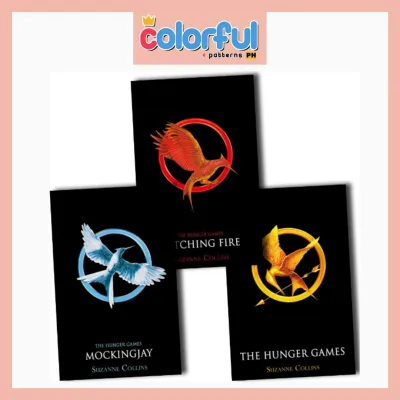
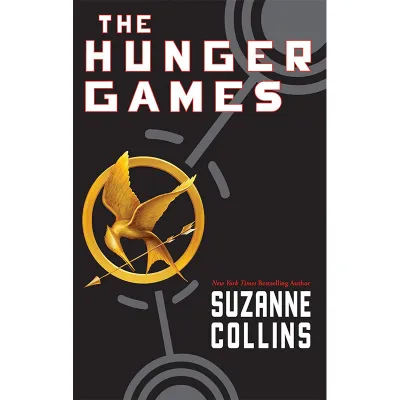
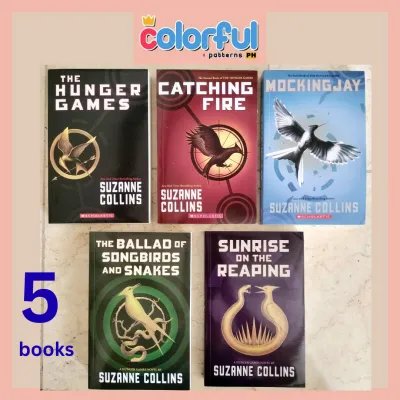
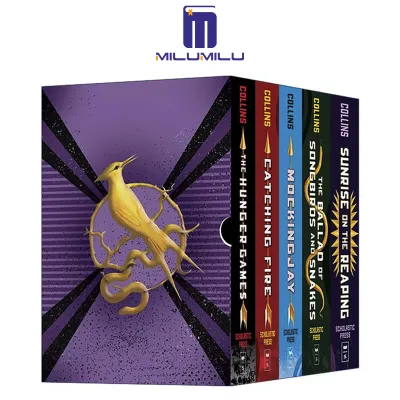
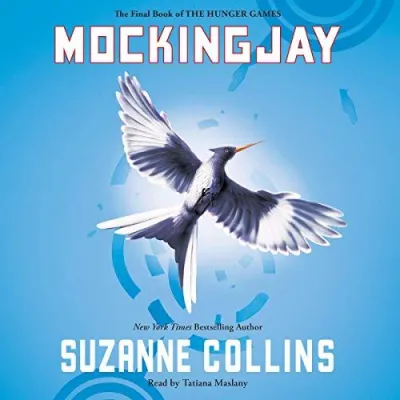


Prices are valid at publication and may change. Please refer to the product page for the latest price.
English YA Dystopian Novels with Survival and Rebellion Themes
The English-language YA market has produced an abundance of dystopian fiction, offering a structured framework of widely recognized series and standalone novels that align closely with the themes of survival and rebellion. When diving into this expansive catalog, it is helpful to approach recommendations as a non-exhaustive guide to thematic alignment rather than a rigid ranking. Because dystopian themes often deal with heavy subjects—such as state-sanctioned violence, survival trauma, and societal collapse—it is highly recommended to check content warnings, age ratings, and trigger warnings before purchasing a book or adding it to your reading list.

Additionally, practical considerations play a significant role in your reading experience. Before committing to a new book, verify the available edition formats to see if they match your reading habits. Whether you prefer the tactile feel of a physical hardcover or paperback, the portability of a digital e-book, or the convenience of an audiobook, ensuring format compatibility is key. You should also verify the language options, as some international editions may feature localized spelling or translation differences depending on the publisher and the region of distribution.
Established Series with High-Stakes Action
For readers who want to immerse themselves in a world for an extended period, multi-book series offer prolonged worldbuilding, complex faction dynamics, and escalating conflicts that mirror the grand scale of Panem’s rebellion. Many established genre staples utilize familiar tropes, such as societies divided into rigid, faction-based classes, high-tech mazes designed to test human endurance, or desperate space colonization efforts where humanity’s survival hangs by a thread. These multi-volume narratives allow authors to develop intricate political systems and show the long-term consequences of revolution across several books.
Before starting a new series, it is wise to evaluate your level of commitment. Check the completion status of the series to determine if all volumes have been published, or if you will need to wait for future releases. Some popular universes also feature companion novels, prequels, or spin-offs that expand the lore, which can be exciting for dedicated fans but overwhelming for those seeking a concise story. To gauge whether a series maintains its quality over time, consult reader reviews and community forums. Pay close attention to feedback regarding series pacing and finale satisfaction, as some series start with incredibly strong premises but struggle to deliver a cohesive and satisfying resolution in their final installments.
Standalone and Character-Driven Dystopian Fiction
If you prefer a self-contained narrative that delivers a complete story arc without the commitment of a multi-book series, standalone dystopian fiction is an excellent alternative. These novels often prioritize deep psychological exploration, character development, and philosophical questions over non-stop action. Common themes in standalone works include memory manipulation, technological surveillance, genetic engineering, and the moral dilemmas that arise when individuals must choose between personal freedom and societal stability.
Identifying standalones that deliver a satisfying conclusion requires a bit of research. Look for books that are explicitly marketed as standalone novels rather than the first installment of an open-ended series. To ensure the book provides a complete and well-rounded arc, you can utilize online review aggregates and book community platforms. Look for reviews that discuss the pacing of the resolution; a successful standalone should tie up major plot threads and leave the reader with a sense of closure, even if the ending is bittersweet or open to interpretation. This approach allows you to experience the thematic depth of dystopian worldbuilding in a single, impactful volume.
Navigating Tagalog and Local Filipino YA Speculative Fiction
For readers in the Philippines, expanding your reading list to include local speculative fiction offers an incredibly rewarding way to experience dystopian themes through a familiar cultural lens. However, navigating this space requires a shift in expectations. While the Western market has a highly defined “YA dystopian” category, the local publishing industry often blends strict dystopian science fiction with broader speculative fiction, urban fantasy, and magical realism.
Rather than searching for a direct carbon copy of Western arena-style survival games, look for local works that explore survival, societal collapse, and resistance through a uniquely Filipino perspective. Speculative fiction in the Philippines frequently incorporates elements of local folklore, historical trauma, and contemporary social realities. By exploring these local voices, you not only support the homegrown literary community but also gain access to fresh, innovative narratives that challenge traditional Western tropes and offer a deeply resonant exploration of what it means to survive and resist in an oppressive world.
Where to Source Local Dystopian and Sci-Fi Novels
Finding Tagalog and Filipino-authored speculative fiction requires knowing where to look, as these books are often produced by a mix of major local publishers, university presses, and independent imprints. University presses, such as those associated with top local academic institutions, are excellent sources for high-quality speculative anthologies and novels that push literary boundaries. Independent publishers and self-publishing collectives also play a vital role in bringing niche sci-fi and dystopian stories to light, often showcasing raw, experimental voices that mainstream channels might overlook.
To discover these works, consider visiting physical and online bookstores that dedicate sections to local literature. Major annual events, such as the Manila International Book Fair (MIBF) or local indie book festivals, are premier discovery hubs where you can browse diverse catalogs, meet authors, and purchase books directly from publishers. Digital platforms, including online marketplaces and specialized e-book distributors, also make it easier to access local titles from the comfort of your home. When searching online, using specific local keywords and social media hashtags—such as #PinoyLit, #FilipinoSpecFic, or #PanitikangPilipino—can connect you with reader recommendations, book blogs, and community-curated lists that highlight hidden gems in the local speculative scene.
Cultural Themes and Worldbuilding in Filipino Speculative YA
The worldbuilding in Filipino speculative fiction is deeply enriched by the country’s unique cultural, historical, and geographical landscape. Unlike Western dystopian novels that often feature sleek, high-tech cities or barren, post-apocalyptic deserts, local speculative YA frequently integrates elements of Philippine mythology, colonial history, and tropical realities. You will often find stories where ancient deities or mythological creatures coexist with futuristic technology, or where the ruins of a flooded, post-climate-disaster metro area serve as the backdrop for survival.
Moreover, local authors frequently use speculative settings as a powerful tool to explore real-world societal issues. Themes of extreme wealth disparity, systemic corruption, environmental vulnerability in the face of typhoons, and the struggle for human rights are common threads in Filipino speculative fiction. This integration of real-world context gives local dystopian stories a unique sense of urgency and emotional weight, as the struggles of the characters often mirror the lived experiences and historical struggles of the readers themselves.
Building Your Reading List: A Selection Guide
Creating a balanced reading list that combines international bestsellers with local speculative gems requires a thoughtful approach. To help you decide on your next purchase or library borrow, consider using a simple decision matrix based on your current reading preferences. If you are in the mood for high-octane action, faction politics, and a multi-book commitment, an established English YA series is likely your best starting point. If you prefer a shorter, more introspective journey that focuses on technological control or psychological survival, a standalone English novel may be more appropriate. For readers seeking rich cultural worldbuilding, mythological integration, and a fresh perspective on societal struggle, diving into local Filipino speculative fiction is highly recommended.
When planning your book acquisitions, budgeting is an important practical step. Local paperback editions of speculative fiction often range from ₱250 to ₱500, while imported English paperbacks and hardcovers can range from ₱500 to over ₱1,200 depending on the retailer and format. Keep an eye on shipping times and local availability, especially when ordering from independent publishers or specialized online bookstores. To ensure a book is right for you, try reading a sample chapter online or checking community reviews to verify the writing style, translation quality (for bilingual or translated works), and overall content suitability. Finally, maintaining a digital or physical reading tracker can help you manage your progress, keep track of series order, and ensure you maintain a diverse mix of voices on your bookshelf.
Frequently Asked Questions (FAQ)
Are there direct Tagalog translations of The Hunger Games?
Official Tagalog translations of major international YA bestsellers, including The Hunger Games, have been produced in the past by local publishers who secured translation rights. These localized editions, often featuring translated dialogue and culturally accessible phrasing, were designed to bring the story of Katniss Everdeen to a wider local audience. To verify the availability of these official translations, you can check the catalogs of major local publishing houses or search the inventory of national bookstore chains. Keep in mind that print runs for translated editions can be limited, so availability may vary. If a physical copy is out of stock, digital book platforms or secondhand book communities are excellent alternative places to search for these specific editions.
How can I support local Filipino YA authors?
Supporting local Filipino YA and speculative fiction authors is crucial for helping the local literary community thrive. The most direct way to show support is by purchasing books directly from local publishers, independent bookstores, or the authors’ official online channels, ensuring that a larger portion of the proceeds goes back to the creators. Beyond financial support, you can boost an author’s visibility by participating in local book clubs, sharing reviews on social media, and engaging with online reader communities. Recommending your favorite local titles to friends, requesting them at your local library, and attending literary festivals or book signings also help generate buzz and encourage publishers to invest in more diverse, homegrown speculative stories.
Community discussion
Share your experience or ask a question. Comments are reviewed before publication.