
Finding your next captivating read featuring remarkable creatures or magical beings is an exciting journey that bridges diverse literary traditions. Whether you are drawn to the gentle, sentient charm of modern creature-focused stories like Remarkably Bright Creatures or the deep, atmospheric world of Philippine mythology, selecting the right book requires understanding your preferred narrative tone, verifying language editions, and knowing where to source authentic copies. By exploring both contemporary English fantasy and rich Tagalog folklore novels, you can build a diverse, deeply satisfying reading list that offers both comforting whimsy and cultural depth.
To embark on this literary exploration, you must first understand how different traditions portray magical entities. While Western fantasy often relies on familiar archetypes like dragons, elves, or talking animals, Tagalog literature draws from a vibrant tapestry of indigenous folklore filled with unique spirits and legendary beasts. Navigating these two distinct paths allows you to appreciate how different cultures use extraordinary beings to reflect human truths, environmental relationships, and societal values.
Defining Your Creature and Mythology Preferences
Before diving into online catalogs or bookstore shelves, it is helpful to clarify the specific types of magical beings and mythological themes you want to explore. Distinguishing between Western fantasy creatures and Philippine mythological beings is an excellent starting point. Western narratives often feature structured magic systems and creatures like griffins, pixies, or sentient marine life that serve as companions or guides. In contrast, Philippine mythology introduces readers to diwata (nature guardians), aswang (shapeshifting entities), and tikbalang (half-human, half-horse guardians of the forest), which carry deep cultural significance and often represent the mysterious forces of the natural world.
Products mentioned in this guide
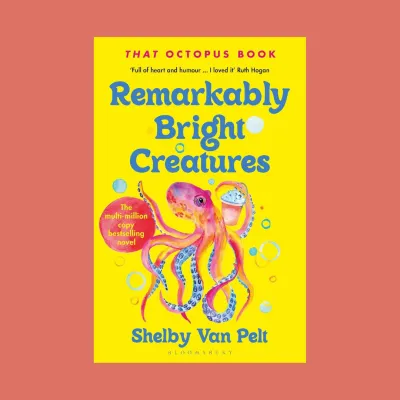
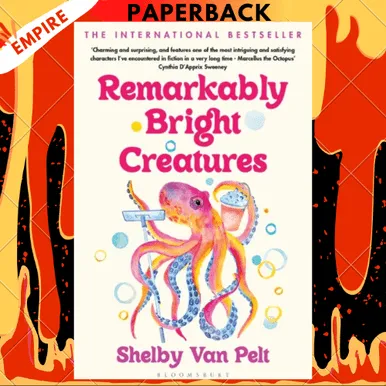
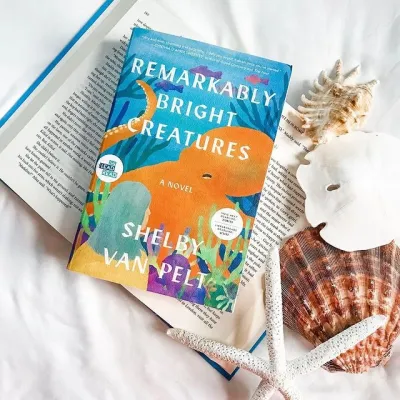
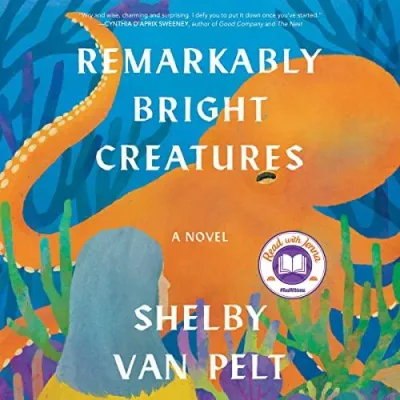
Prices are valid at publication and may change. Please refer to the product page for the latest price.
Deciding on the narrative tone of your next book is equally important for matching your current reading mood. If you enjoyed the heartwarming, character-driven style of Remarkably Bright Creatures, you might prefer a whimsical, lighthearted tone where the magical being acts as a comforting companion, a quirky narrator, or a catalyst for emotional healing. On the other hand, if you are in the mood for something more intense, you can look for dark, atmospheric, and folklore-rooted narratives where the supernatural elements are mysterious, unpredictable, and deeply tied to ancestral heritage and survival.
Your reading comfort and language goals should also guide your selection between original English works, Tagalog novels, or translated editions. Reading a novel in its original Tagalog or Taglish (a blend of Tagalog and English) offers a unique linguistic rhythm and preserves cultural nuances that can sometimes be lost in translation. However, if you are still building your vocabulary or prefer a faster reading pace, English translations or contemporary English-language fantasy written by local authors provide an accessible way to experience these rich mythological landscapes without linguistic barriers.
How to Discover and Verify Tagalog Fantasy Novels
Discovering authentic Tagalog novels that feature magical themes requires looking beyond mainstream international bestseller displays. Local university presses, such as those associated with major universities in Manila, are treasure troves for regional literature, academic folklore collections, and modern mythological fiction. Independent local bookstores and specialized literary boutiques also dedicate shelves to local authors who weave traditional folklore into contemporary narratives, making them excellent starting points for your search.

When browsing online bookshops or physical shelves, always check the book descriptions and metadata for language specifics. Local publications vary widely in their linguistic style; some are written in classical, formal Tagalog, while others utilize modern Taglish or even bilingual side-by-side formatting. Reading a sample page or checking publisher notes beforehand ensures that the book’s language level aligns with your reading comfort and helps you avoid frustration once you begin reading.
Verifying the cultural accuracy and depth of the folklore depicted in a novel is another crucial step in your selection process. To ensure the story respects and accurately represents traditional myths, take a moment to research the author’s background and read any available publisher notes or forewords. Authors who have conducted extensive research into regional oral histories or who work closely with local cultural preservationists often deliver far more immersive, respectful, and authentic portrayals of traditional creatures than those who rely on superficial tropes.
Exploring English Fantasy Novels With Whimsical Themes
If you want to replicate the gentle, comforting atmosphere of contemporary creature-focused stories, focusing on specific English subgenres will help narrow your search. Cozy fantasy, magical realism, and young adult creature fiction are ideal genres to explore. These stories typically prioritize character relationships, emotional growth, and everyday magic over high-stakes epic battles, making them perfect for readers who enjoy quiet, reflective narratives featuring extraordinary non-human companions.
To confirm whether a book’s magical beings are central to the plot or merely background decoration, evaluate book blurbs and reader reviews carefully. Look for indications that the creature has a distinct voice, a dedicated point-of-view chapter, or a relationship with the protagonist that drives the emotional core of the story. If reviews frequently mention themes of empathy, cross-species communication, or a deep bond between human and non-human characters, the novel is highly likely to deliver the whimsical experience you are seeking.
Additionally, always check content warnings and age ratings to ensure the book’s actual tone matches its cover art. Whimsical covers can sometimes mask mature themes, such as grief, environmental destruction, or historical trauma, which are common in magical realism. Verifying these details through community-driven book databases or publisher descriptions helps you prepare for the emotional landscape of the story and ensures your reading experience remains enjoyable and aligned with your expectations.
Evaluating Book Formats and Local Purchasing Channels
Choosing the right book format is essential for ensuring a comfortable reading experience, especially when considering the tropical climate of the Philippines. Physical paperbacks and hardcovers offer a tactile connection to the story, but they require careful storage to protect them from high humidity, which can cause page yellowing, warping, and mold. If you prefer physical books, consider storing them in well-ventilated areas away from direct sunlight and using silica gel packets on your bookshelves. Alternatively, e-books and audiobooks provide excellent durability, instant delivery, and high compatibility with modern reading devices, making them highly practical options for reading on the go.
To support authors and ensure you receive complete, high-quality texts, always purchase your books through authorized local bookshops, direct publisher stores, or reputable online retailers. Pirated editions, which are unfortunately common on some online marketplaces, often suffer from missing chapters, severe formatting errors, and blurry printing that can ruin your immersion in the story. Checking for official seller verification badges, reading customer feedback, or buying directly from the publisher’s official website guarantees that your money supports the creative community.
Finally, factor in shipping times, return policies, and your budget in Philippine Pesos (₱) when planning your purchases. Local publishers and domestic bookstores generally offer faster shipping and more straightforward return processes for defective prints compared to international retailers. Keep an eye on shipping fees, particularly if you live outside major metropolitan areas, and compare prices across authorized platforms to find the most cost-effective way to build your collection without compromising on quality.
Building Your Curated Reading Shortlist
Once you have identified several promising titles, organizing them into a curated reading shortlist will help you approach your reading goals systematically. A balanced list should feature a mix of English and Tagalog titles, allowing you to alternate between different linguistic styles and cultural perspectives. This dual-track approach keeps your reading routine dynamic, prevents genre fatigue, and helps you appreciate the unique ways different languages express magical concepts.
When setting your reading order, consider book lengths, series commitments, and thematic progressions. You might choose to start with a light, standalone English cozy fantasy to establish a relaxed reading habit, followed by a more complex, multi-layered Tagalog folklore novel that requires deeper concentration. Grouping your books by shared themes—such as ocean-dwelling creatures, forest spirits, or urban fantasy settings—can also create a highly immersive and cohesive reading journey over several weeks.
To keep track of your progress and manage future additions, utilize digital reading applications, spreadsheets, or a dedicated physical reading journal. Documenting your thoughts, favorite quotes, and reflections on how each author portrays their magical beings not only enhances your reading comprehension but also helps you identify patterns in what you enjoy. This organized approach ensures that whenever you finish a book, you always have an exciting, pre-verified title waiting next on your shelf.
Frequently Asked Questions (FAQ)
Where can I find out-of-print Tagalog folklore novels?
If a specific Tagalog folklore novel is out of print, your best options are university libraries, specialized secondhand book markets, and digital academic archives. Many older or rare local titles are preserved in the special collections of major universities in the Philippines, which sometimes allow public access for research purposes. Additionally, joining local literary communities, book clubs, and online book-swapping groups can connect you with collectors and fellow readers who may be willing to trade, sell, or lend rare editions of local folklore classics.
Are there bilingual editions that combine English and Tagalog folklore?
Yes, several local publishers release bilingual editions, translated anthologies, or dual-language books that feature both English and Tagalog text. When searching for these editions, review the publisher’s product description to see how the text is structured, such as side-by-side translations, alternating chapters, or English text accompanied by a comprehensive glossary of Tagalog mythological terms. These formats are highly beneficial for readers who want to enjoy traditional stories while comparing linguistic nuances and expanding their vocabulary in both languages.
Community discussion
Share your experience or ask a question. Comments are reviewed before publication.