
Choosing the right guitar strings is one of the simplest yet most impactful ways to alter your instrument’s tone, playability, and maintenance cycle. For players looking to minimize string changes, Elixir has long been a prominent name due to its pioneered coating technology. The brand offers three distinct coating options: Polyweb, Nanoweb, and Optiweb. Deciding between them requires balancing how you want the strings to feel under your fingertips, the level of brightness your music demands, and how much protection you need against environmental wear.
In tropical climates like the Philippines, high humidity and ambient heat accelerate the oxidation of guitar strings. Sweat from your hands combines with moisture in the air, causing uncoated strings to rust, lose their brightness, and feel rough within days. Coated strings solve this issue by wrapping the wound strings in a protective polymer barrier, shielding the metal core from corrosive elements. Understanding the differences between Elixir’s three main offerings will help you select the set that matches your playing style and keeps your guitar sounding fresh for longer.
Understanding Elixir's Coating Technologies
To choose the right set, it helps to understand how these coatings are constructed and how they function on a physical level. Elixir uses a patented fluoropolymer coating that acts as a physical barrier over the wound strings. This barrier prevents sweat, skin oils, dirt, and dead skin cells from settling into the gaps between the winding wire. By keeping these contaminants out, the string’s core and wrap wire remain protected from corrosion, preserving the string’s structural integrity and vibrational quality.
Products mentioned in this guide
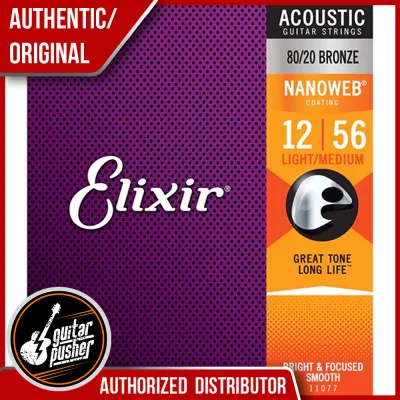
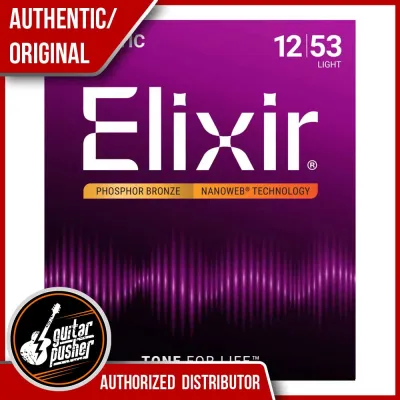
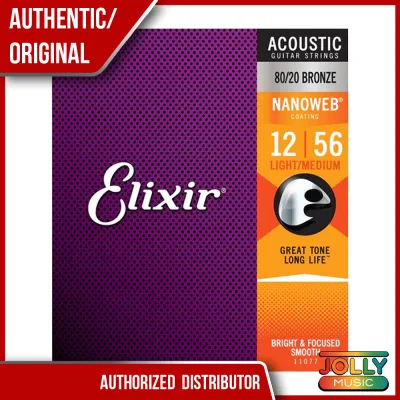
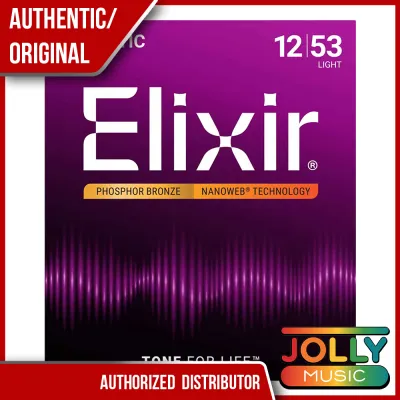
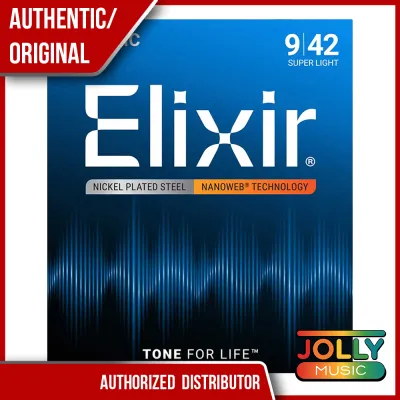
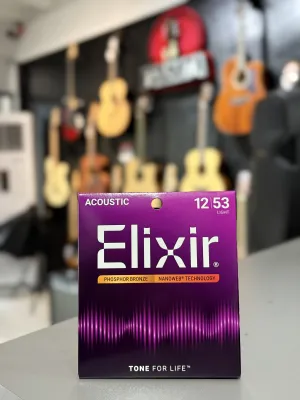
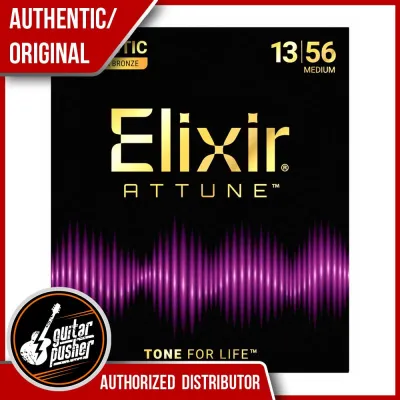
Prices are valid at publication and may change. Please refer to the product page for the latest price.
The primary difference among the three options lies in the thickness of the coating layer. Polyweb features the thickest coating, which completely covers the outer ridges of the wound strings. Nanoweb uses a significantly thinner coating that provides a compromise between protection and a traditional feel. Optiweb, the thinnest of the three, is engineered to be virtually imperceptible, offering a microscopic layer of protection that leaves the physical texture of the winding wire exposed.
These physical differences directly affect how the strings vibrate. A thicker coating adds mass and dampens the high-frequency vibrations of the string, resulting in a quicker decay of bright overtones. Conversely, a thinner coating allows the string to vibrate more freely, preserving the natural high-frequency resonance and sustain of the metal. Regardless of the thickness, all three options feature an anti-rust plating on the plain steel strings, ensuring that the entire set ages at a consistent rate.
Tone and Brightness Comparison
The tonal profile of your guitar is heavily influenced by the thickness of the string coating. Because the coating dampens specific frequencies, each of the three Elixir series offers a distinct acoustic voice. Matching these tonal characteristics to your guitar’s natural voice and your preferred musical genre is essential for achieving your desired sound.

Nanoweb strings are known for their bright, balanced, and highly versatile tone. They retain the classic “new string” clarity and punch that players expect from fresh uncoated strings, but without the harsh, metallic edge. This balanced frequency response makes Nanoweb the most popular choice for general use, performing exceptionally well on both acoustic and electric guitars across genres ranging from pop and rock to folk and blues.
Polyweb strings offer a distinctly warm, mellow, and rounded tone. Because the thick coating rolls off the sharp high frequencies, these strings produce a smooth, jazz-like voice with a focused midrange. If you play an inherently bright acoustic guitar, such as a small-bodied instrument or one made with maple back and sides, Polyweb strings can help tame the harsh treble and deliver a warmer, more balanced sound. They are also highly favored by fingerstyle players who prefer a soft, intimate acoustic tone.
Optiweb strings are designed to deliver a crisp, sharp, and highly detailed tone that is virtually indistinguishable from uncoated strings. They offer a raw, punchy high-end response and excellent sustain, making them ideal for electric guitarists who need their lead lines and heavy riffs to cut through a dense band mix. The high-frequency clarity of Optiweb ensures that your guitar’s natural harmonics and pick dynamics are fully preserved, making them a favorite for modern rock, metal, and funk players.
Feel and Playability Differences
How a string feels under your fingers is just as important as how it sounds. The tactile feedback of the string affects your fretting hand’s speed, your control over bends, and the amount of physical noise generated during slides. Each Elixir coating offers a unique tactile experience that appeals to different playing preferences.
Polyweb strings provide an exceptionally smooth, slick, and fast feel. The thick coating fills in the gaps between the winding wraps, creating a uniform surface that minimizes friction. This makes sliding up and down the fretboard effortless and significantly reduces finger squeak—the high-pitched noise made when moving your fretting hand. While some players love this ultra-slick, fast-playing surface, others may find it slightly slippery, especially when trying to execute precise string bends or wide vibrato.
Nanoweb strings strike a comfortable middle ground. They feel smooth to the touch but still retain enough of the physical winding texture to provide a reassuring grip. This balance allows for fast slides while ensuring your fingers do not slip during expressive bends or heavy fretting. Finger noise is moderately reduced compared to uncoated strings, making Nanoweb a highly reliable option for both live performances and studio recording sessions.
Optiweb strings are engineered to feel like traditional, uncoated strings. The microscopic coating is so thin that you can clearly feel the physical ridges of the winding wire. This provides a natural, high-friction grip that gives you maximum control over your playing, which is particularly beneficial for aggressive bending, fast alternate picking, and intricate lead work. If you dislike the smooth or slippery sensation of typical coated strings, Optiweb offers the protection you need without altering your playing habits.
In hot and humid environments, such as during outdoor gigs or long practice sessions in the Philippines, sweaty hands can make uncoated strings feel sticky and difficult to play. Coated strings maintain a consistent, smooth feel regardless of temperature and humidity, preventing your fingers from dragging and ensuring a more comfortable playing experience overall.
Durability and Maintenance Expectations
While coated strings are designed to last significantly longer than traditional strings, they are not permanent. Understanding how to monitor their condition and perform basic maintenance will help you get the most out of your investment.
Over time, the polymer coating on your strings will begin to wear down due to physical friction. You can identify wear by looking for visual and tactile signals. The most common sign is the appearance of tiny, fuzzy fibers or peeling sections along the strings, particularly in the area where your pick or fingers strike the strings, or directly over the frets. While this peeling looks unusual, it is a normal part of the wear process and does not immediately mean the strings need to be replaced. However, if the coating wears away completely, the exposed metal will begin to oxidize.
To maximize the lifespan of your coated strings, daily maintenance remains essential. After every playing session, use a clean, dry microfiber cloth to wipe down each string individually. This simple habit removes sweat, salt, and skin oils before they can settle on the surface or creep under the coating at the bridge and nut. Avoid using harsh chemical cleaners, liquid string lubricants, or abrasive pads, as these can prematurely dissolve or strip away the protective polymer layer.
You should decide to replace your strings when you notice a significant drop in performance. If the strings struggle to hold their intonation, feel rough or pitted to the touch, or sound dull and lifeless, it is time for a fresh set. For most players, a set of coated strings represents a higher upfront investment in ₱ compared to uncoated alternatives, but they maintain their tone and playability for several months, making them a highly cost-effective choice over time.
Decision Framework: Which Elixir Series Fits Your Style?
To finalize your choice, consider your primary instrument, your tonal preferences, and how you want the strings to feel. This decision framework will help you select the ideal Elixir series for your specific setup.
Choose Nanoweb if you want a versatile, all-purpose string that works beautifully on both acoustic and electric guitars. It is the ideal choice if you love a bright, balanced tone with plenty of clarity, and you prefer a smooth feel that still offers enough grip for controlled bends and vibrato. Nanoweb is the safest starting point for most guitarists.
Choose Polyweb if you play acoustic guitar and want to tame an overly bright instrument, or if you prefer a warm, mellow, and smooth acoustic voice. It is also the perfect option if you prioritize maximum string life and want an ultra-slick, fast-playing fretboard that eliminates distracting finger squeak during slides.
Choose Optiweb if you play electric guitar and refuse to compromise on the natural feel and crisp bite of uncoated strings. This series is designed specifically for electric players who want raw high-end response, maximum grip for expressive lead playing, and long-lasting protection against sweat and humidity.
Before purchasing, always verify your guitar’s specific requirements. Check whether you need acoustic (bronze or phosphor bronze) or electric (nickel-plated steel) strings, as Optiweb is not available for acoustic guitars. Additionally, verify the string gauge (such as Extra Light, Light, or Medium) to ensure it matches your guitar’s current setup, nut slots, and neck tension.
Frequently Asked Questions (FAQ)
Do Elixir strings fit all acoustic and electric guitars?
Yes, Elixir strings are designed to fit standard acoustic and electric guitars, but you must select the correct set for your specific instrument. Acoustic guitars require acoustic-specific formulations like Phosphor Bronze or 80/20 Bronze, which are optimized for acoustic resonance. Electric guitars require nickel-plated steel strings designed to interact properly with magnetic pickups. Always verify that the string gauge matches your guitar’s factory specifications or current setup to avoid tuning stability issues or excessive tension on the neck.
Can I use string cleaner or lubricant on coated strings?
It is highly recommended to avoid using liquid string cleaners, solvents, or aftermarket lubricants on coated strings. Many of these products contain chemicals that can react with the polymer coating, causing it to dissolve, peel, or become sticky. To clean your coated strings, simply wipe them down with a dry, lint-free microfiber cloth after playing. If you must clean the fretboard, remove the strings entirely before applying any fretboard oils or conditioners to prevent them from contaminating the string coating.

Community discussion
Share your experience or ask a question. Comments are reviewed before publication.