
Elixir acoustic strings are famous for their protective polymer coatings, but choosing between Nanoweb, Polyweb, and Optiweb depends entirely on your tactile preference and tonal goals. There is no single superior option; instead, each coating formula targets a distinct playing experience. Finding the right match requires understanding how these materials alter the string’s acoustic resonance and tactile response under your fingertips.
To identify your ideal set immediately, you can use a straightforward, conditional decision framework based on your playing habits:
- Choose Nanoweb if you want a bright, crisp tone with a smooth, fast feel that closely mimics traditional uncoated strings while offering excellent protection against sweat and dirt.
- Choose Polyweb if you prefer a warmer, more mellow, "broken-in" tone with a soft, slick feel that significantly dampens finger squeak during position shifts.
- Choose Optiweb if you demand the most natural, uncoated tone and crisp attack possible, while still requiring robust protection against corrosion and environmental humidity.
Ultimately, the best choice is a highly personal decision. It relies on how you want the string to feel under your hands and how bright or warm you want your acoustic guitar to sound.
Products mentioned in this guide
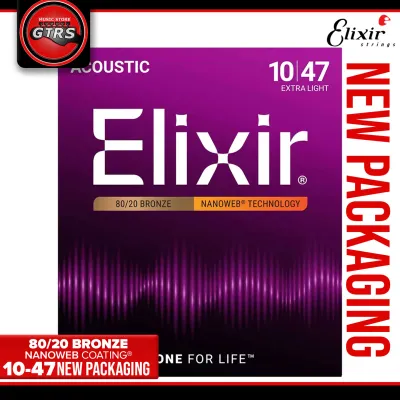
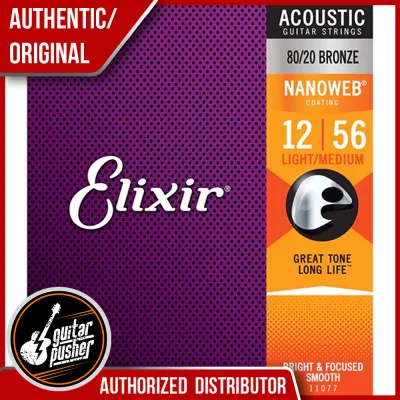
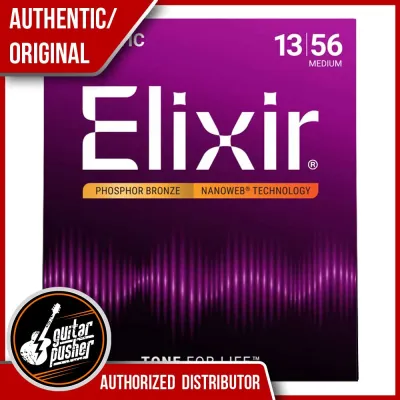
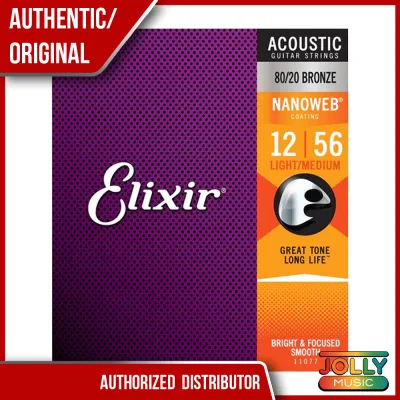
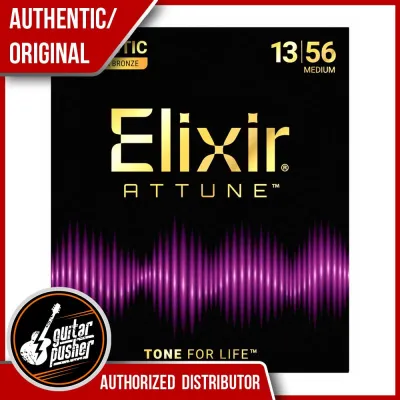
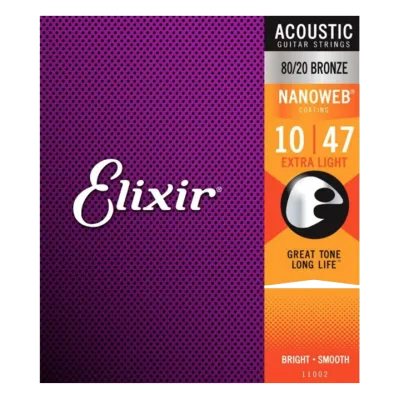
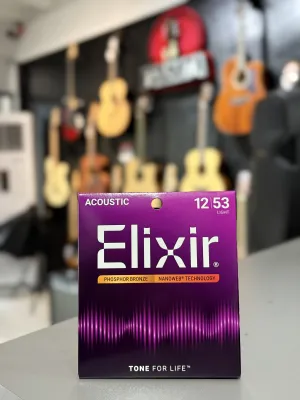
Prices are valid at publication and may change. Please refer to the product page for the latest price.
Why Coating Matters in Humid Climates
Acoustic guitars in tropical regions face relentless environmental challenges that directly impact string performance. In countries like the Philippines, where relative humidity levels regularly exceed 80 percent, metal strings are constantly exposed to moisture. This high humidity, combined with natural skin oils, sweat, and salt from sea air, accelerates the oxidation process. Uncoated steel and bronze strings can lose their bright, resonant tone in as little as a few days, turning dull, stiff, and rough to the touch.
Elixir solves this issue by engineering a physical barrier over the string. Unlike some brands that treat only the outer wire before winding, Elixir coats the entire assembled string. This process seals the gaps between the windings and protects the inner core wire from debris, sweat, and corrosive moisture. By keeping contaminants out of the winding gaps, the string maintains its vibrational freedom and structural integrity over time.
For the player, this translates to a significantly extended usable lifespan and consistent tone retention. Instead of changing dead strings every two weeks, you can enjoy months of bright, clear performance. This durability reduces the frequency and cost of string changes, making premium strings a highly practical investment for musicians playing in warm, humid climates.
Nanoweb vs Polyweb vs Optiweb: Core Differences
While all three options utilize Elixir’s proprietary polymer technology to resist corrosion, the thickness and texture of each coating formula differ significantly. These physical variations alter the string’s acoustic resonance, tactile response, and overall longevity.

Tone and Brightness
Nanoweb strings are designed to offer a bright, lively, and highly articulate acoustic voice. They replicate the snappy high-end response of a brand-new set of traditional uncoated strings. If you want your guitar to cut through an acoustic mix with clear treble definition, Nanoweb provides that familiar sparkle.
Polyweb strings deliver a noticeably warmer, mellower, and more rounded tone. They are engineered to sound like a set of strings that have already been played in for a couple of weeks, removing the harsh metallic edge that some players dislike in new strings. This warmer profile makes them excellent for taming overly bright or thin-sounding guitars.
Optiweb strings strike a balance by offering the most natural, uncoated acoustic voice possible. They provide maximum high-end sparkle and a crisp, immediate attack. Sitting between Nanoweb’s distinct brightness and the raw texture of an uncoated string, Optiweb preserves the natural acoustic properties of your guitar’s wood.
Feel and Playability
Nanoweb features a thin, smooth coating that feels fast under the fingers. It allows for easy sliding up and down the fretboard with minimal resistance. However, because the coating is thin, you may still experience a slight amount of finger squeak during rapid position shifts.
Polyweb utilizes a noticeably thicker, softer coating. This formula provides a very smooth, almost slick feel that significantly dampens finger noise and string squeak. It feels highly comfortable under the fingertips, reducing friction and making long practice sessions in warm, humid weather much easier on the hands.
Optiweb uses an ultra-thin, micro-fine coating designed to be virtually imperceptible. It provides a natural, textured grip that closely replicates the tactile feel of raw bronze strings. If you dislike the slippery sensation of traditional coated strings and prefer a solid grip for bending and fretting, Optiweb is the ideal choice.
Durability and Protection
The physical thickness of the coating directly impacts how long the strings remain protected under heavy use. Polyweb, being the thickest coating, offers the most robust physical barrier against heavy sweat, high humidity, and aggressive picking. It is highly resistant to fraying, even when subjected to heavy flatpicking over several months.
Optiweb, being the thinnest coating, offers excellent chemical protection against corrosion but may show physical wear on the coating surface faster than Polyweb. If you play with a heavy pick and aggressive downstrokes, the micro-fine coating may eventually show physical fraying around the soundhole area, though the rest of the string remains protected. Nanoweb sits comfortably in the middle, offering a balanced compromise between physical durability and natural feel.
Here is a summary of how these three coatings compare:
| Coating Type | Tone Profile | Physical Feel | Coating Thickness | Best Suited For |
|---|---|---|---|---|
| Nanoweb | Bright, lively, and articulate | Smooth and fast | Thin | All-around players wanting traditional brightness |
| Polyweb | Warm, mellow, and broken-in | Very smooth, slick, low squeak | Thick | Fingerstyle players and taming bright guitars |
| Optiweb | Natural, crisp, and clear | Textured, natural grip | Ultra-thin | Players who prefer the feel of uncoated strings |
Matching the Coating to Your Playing Technique
Every guitarist develops a unique physical relationship with their instrument. Translating the technical specs of Elixir’s coatings into practical playing scenarios helps ensure you select the set that complements your hands and technique.
Fingerstyle and Complex Picking
Fingerstyle guitarists often prefer Polyweb strings because of their unique tactile and acoustic properties. When playing complex fingerstyle arrangements, finger squeak can become highly distracting, especially during quiet passages or when recording with sensitive condenser microphones. Polyweb’s thick, slick coating dramatically reduces this surface noise, allowing the pure notes to ring out clearly. Additionally, the warmer, mellower tone of Polyweb complements the soft attack of bare fingers or flesh-and-nail picking, producing a rich, intimate sound.
Conversely, some fingerpickers prefer Optiweb strings. If your playing style relies on maximum note separation, fast articulation, and a natural string grip for intricate right-hand patterns, Optiweb provides the necessary tactile feedback. The textured surface ensures your fingers do not slip off the strings during complex classical or folk-style plucking.
Heavy Strumming and Rhythm Playing
Rhythm guitarists who perform heavy strumming patterns typically benefit from Nanoweb strings. When playing chords in a band or supporting a vocalist, your acoustic guitar needs a bright, cutting tone to sit clearly in the mix. Nanoweb’s bright, lively profile ensures that individual notes within a strummed chord remain distinct and do not turn into a muddy midrange wash.
However, if your guitar is inherently bright—such as a small-bodied spruce-top model—and you strum aggressively with a thick pick, the high-end frequencies can sometimes sound harsh or piercing. In this scenario, switching to Polyweb strings can help tame those aggressive highs, blending the notes into a smoother, more cohesive chordal sound that is easier on the ears.
Flatpicking and Lead Acoustic
For flatpickers and lead acoustic players who execute rapid single-note runs, both Optiweb and Nanoweb are excellent contenders. These coatings preserve the sharp pick attack and dynamic response required for fast bluegrass or acoustic rock solos. The bright projection ensures that your lead lines carry sufficient volume and clarity.
If you use heavy picks and employ aggressive downstrokes, you must balance your tonal preference with physical durability. The ultra-thin Optiweb coating may wear down and show physical fraying near the picking area faster than the thicker coatings. If you want maximum longevity under heavy flatpicking, Nanoweb offers a sturdier middle ground that preserves brightness while resisting physical wear.
Final Checks Before You Buy
Selecting the right coating is only half the battle when shopping for Elixir acoustic strings. To ensure complete compatibility with your instrument and playing goals, you must verify several critical specifications before making a purchase.
Alloy Selection
Elixir strings are available in different metal alloys, which interact directly with the coating to shape your final tone. The two primary options are 80/20 Bronze and Phosphor Bronze.
- 80/20 Bronze strings (composed of 80 percent copper and 20 percent zinc) offer a brighter, more sparkling tone with a distinct high-end shimmer.
- Phosphor Bronze strings (composed of copper with tin and phosphorus) deliver a warmer, darker tone with a richer, more focused midrange.
If you choose Polyweb, pairing it with 80/20 Bronze can balance the coating’s natural warmth with the alloy’s inherent brightness.
String Gauge and Tension
Ensure you select a string gauge that matches your finger strength, playing style, and guitar setup. Light gauges (such as .012–.053) are easier to bend and press down, making them ideal for beginners and fingerstyle players. Medium gauges (such as .013–.056) offer more volume and projection but require more finger strength and exert higher tension on the guitar neck.
Instrument Compatibility
Before installing a new gauge of strings, check your acoustic guitar manufacturer’s recommendations regarding maximum string tension. Smaller body sizes (like parlor guitars) or vintage instruments may not be built to withstand the high tension of medium or heavy gauge strings, which can lead to neck warping or bridge lifting. Always verify that your guitar’s truss rod and bridge are rated for the gauge you select.
Verification and Authorized Sources
Because premium coated strings represent a larger upfront investment—often costing around ₱800 to ₱1,200 per pack in the Philippines—counterfeit strings are a common issue on online marketplaces. Always purchase from authorized music distributors or reputable local dealers. Check the packaging carefully for official branding, correct string counts, and the specific tuning standard (such as standard 6-string vs. 12-string sets). Authentic Elixir packaging features clear, high-quality printing and specific batch codes that verify the product’s origin.
Frequently Asked Questions (FAQ)
Can I mix and match Elixir strings with other brands?
While it is physically possible to mix individual strings, doing so is highly discouraged. Mixing coated Elixir strings with uncoated strings from other brands results in uneven tension across the neck, highly inconsistent tonal balance, and mismatched volume levels. The coated strings will remain bright and clean while the uncoated strings dull quickly, ruining the overall voice of your instrument. For the best performance, always install a complete, matched set.
Do coated strings damage the frets faster?
No, coated strings do not cause accelerated fret wear. The polymer coatings used by Elixir are significantly softer than the metal alloy of your guitar’s frets (which are typically made of nickel-silver or stainless steel). Fret wear is primarily caused by the hard steel core wire of the string rubbing against the fret under physical pressing force, as well as aggressive bending techniques. The soft outer coating actually acts as a slight lubricant, which can reduce friction during play.
How do I know when it is time to change my coated strings?
Unlike uncoated strings, which visibly rust and turn dark brown, coated strings maintain their clean appearance much longer. To determine when it is time for a change, look for physical signs of wear, such as the coating fraying or peeling away near the frets where your fingers make constant contact. Other clear indicators include a noticeable loss of tuning stability, difficulty intonating the guitar, or a dull, dead tone that no longer projects.
Community discussion
Share your experience or ask a question. Comments are reviewed before publication.