
Choosing between an electronic keyboard and a digital piano comes down to a fundamental choice: do you want to replicate the physical feel and acoustic sound of a traditional piano, or do you want a versatile tool for sound design, portable entertainment, and music production? While both instruments feature a black-and-white key layout, they serve entirely different musical paths. Selecting the wrong type can hinder your technical development or limit your creative output, making it essential to match the instrument’s design to your personal goals.
The Core Difference: Electronic Keyboard vs Digital Piano
A digital piano is engineered with a singular primary focus: to recreate the touch, response, and acoustic tone of a traditional acoustic piano as accurately as possible. These instruments typically feature 88 full-sized, fully weighted keys that mimic the hammer action of an acoustic grand. The internal sound engines are dedicated to high-resolution multi-samples of acoustic pianos, capturing subtle nuances like string resonance and key-off release.
An electronic keyboard, by contrast, is designed for sonic variety, portability, and interactive performance. Instead of focusing on a single realistic piano experience, keyboards offer vast sound libraries containing hundreds of instruments, including synthesizers, brass, strings, and drum kits. They also feature auto-accompaniment styles, allowing a single player to control a virtual backing band in real time. The keys are usually unweighted or semi-weighted, making them lighter and easier to transport.
Products mentioned in this guide
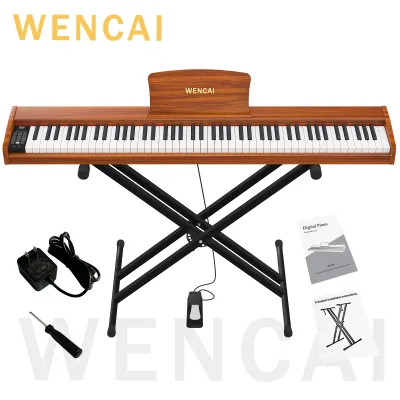
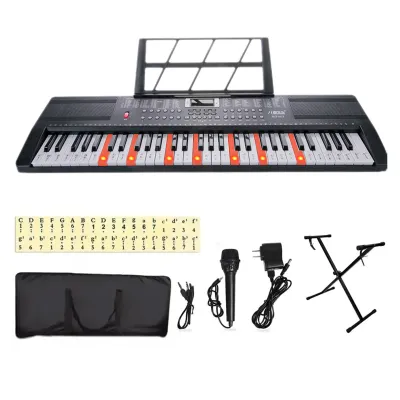
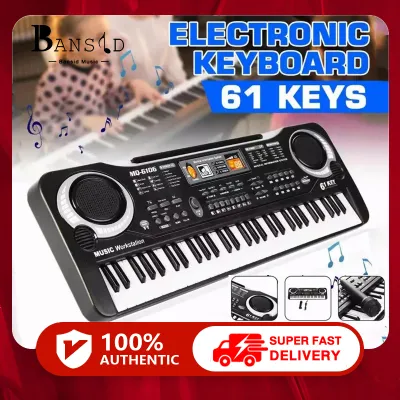
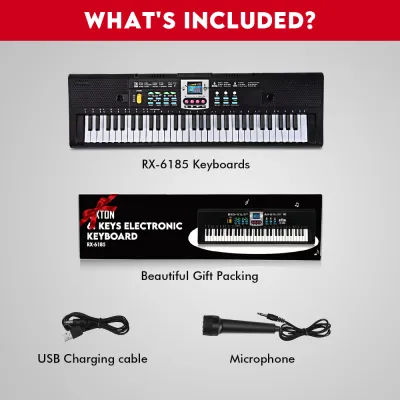
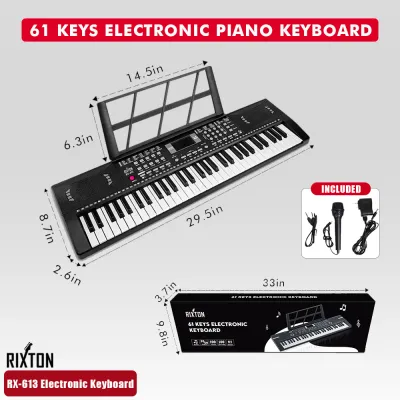
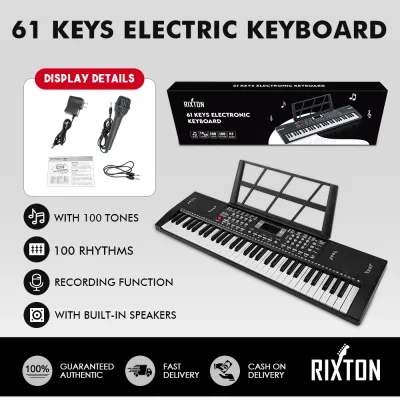
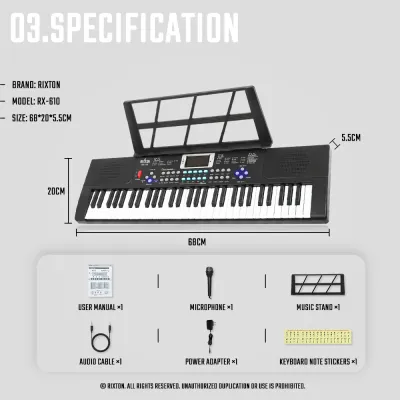
Prices are valid at publication and may change. Please refer to the product page for the latest price.
Navigating retail listings can be confusing due to overlapping marketing terms. You will often see labels like “portable grand,” “arranger keyboard,” or “MIDI controller.” A portable grand is typically a digital piano with a few extra keyboard sounds, while an arranger keyboard is a high-end electronic keyboard focused on backing tracks. Understanding these distinctions helps you look past the marketing jargon and focus on the actual hardware specifications.
Assess Your Musical Goals and Skill Level
If your primary goal is to learn classical piano, build proper finger strength, and study traditional repertoire, a digital piano is the necessary choice. Classical pieces require a wide range of dynamics, from the softest pianissimo to the loudest fortissimo. Developing this expressive control is only possible on weighted keys that respond to the physical force of your fingers, preparing you for the transition to an acoustic instrument.

For those interested in modern music production, beat-making, or sound design, an electronic keyboard or a dedicated synthesizer is far more practical. These instruments prioritize MIDI integration, allowing you to connect to a computer and control digital audio workstations. The lighter key action is also preferred for recording fast synth lines, drum patterns, and organ glissandos, where heavy hammer action would only tire your hands.
Casual players, hobbyists, and gigging musicians who perform pop, rock, or jazz often find a middle ground in portable keyboards. The built-in rhythms and accompaniment features make it easy to play full-sounding arrangements without a band. If you plan to perform at local gatherings or community events, a lightweight keyboard is much easier to pack into a vehicle and set up quickly on stage.
It is also important to consider your long-term learning trajectory to avoid outgrowing your purchase too quickly. A beginner might feel comfortable on a basic, unweighted keyboard for the first few months of lessons. However, as you progress to intermediate pieces that span multiple octaves and require delicate pedaling, the physical limitations of a basic keyboard will become a bottleneck, forcing an upgrade to a digital piano.
Evaluate Your Space, Portability, and Living Situation
Before making a purchase, you must evaluate the physical space where the instrument will live. Console-style digital pianos are built into wooden cabinets with integrated pedals, mimicking the look of an upright piano. While they make beautiful furniture pieces, they require a permanent spot in your home and are difficult to move alone. Portable slab-style digital pianos and electronic keyboards offer more flexibility, as they can be placed on folding stands and stored in a closet when not in use.
Weight is a critical factor if you plan to transport your instrument. A fully weighted digital piano can weigh significantly more than a keyboard, making frequent transport a physical challenge. Electronic keyboards are much lighter, which is ideal for students taking lessons or musicians traveling to rehearsals.
Living in close quarters, such as an apartment or a shared family home, makes noise control a primary concern. Both digital pianos and electronic keyboards allow for silent practice via headphone outputs. When shopping, verify the type of headphone jack available—usually a 1/4-inch stereo jack or a 3.5mm mini-jack—so you can purchase the correct adapter or headphones. Practicing with headphones also prevents the repetitive sound of early exercises from disturbing your household.
Environmental factors also play a role, particularly in tropical climates where high humidity and heat are common. Electronic components and wooden cabinets can degrade if exposed to excessive moisture or direct sunlight. Ensure your playing area is well-ventilated, and invest in a fitted dust cover to protect the key contacts from airborne debris and humidity when the instrument is not in use.
Compare Key Features: Sounds, Keys, and Connectivity
When comparing instruments, the key action is the most critical physical feature to evaluate. Fully weighted keys use graded hammer action, where the lower register feels heavier than the higher register, just like an acoustic piano. Semi-weighted keys offer light spring resistance, while synth-action keys have no resistance at all and spring back instantly. You can physically test this by pressing a key slowly; a weighted key will feel substantial and smooth, while a synth key will feel clicky and light.
The internal sound engine and polyphony limits determine the audio quality of your performance. Polyphony refers to the maximum number of individual notes the instrument can produce at the same time. If you play a fast run with the sustain pedal held down, a low polyphony limit will cause older notes to cut off abruptly. For digital pianos, look for a minimum of 64-note polyphony, though 128-note or higher is ideal for complex classical pieces.
Connectivity options expand what you can do with your instrument. Ensure the model you choose has a USB-to-Host port, which allows you to connect to computers, tablets, or smartphones for interactive learning apps and recording software. A dedicated sustain pedal input is essential for any piano student, and auxiliary audio outputs are necessary if you plan to connect to external speakers or a mixing console.
Finally, evaluate the built-in speaker system. Portable keyboards often have small, low-wattage speakers that are sufficient for quiet home practice but may distort at higher volumes. If you want a rich, room-filling sound, look for a digital piano with larger, multi-way speakers, or plan to budget for a pair of external studio monitors or high-quality headphones to fully enjoy the instrument’s sound engine.
Making the Final Decision: Which Keyboard Instrument to Buy
To make your final decision, follow a simple diagnostic path. If your budget allows and your primary goal is serious piano study, prioritize an 88-key digital piano with graded hammer action. If you want to explore different sounds, write songs, or need a highly portable instrument for casual playing, an electronic keyboard is the better fit.
If possible, visit a physical music store to test the instruments in person. Play the keys with the power turned off to listen for loud, clacky mechanical noise, which indicates poor build quality. Turn the instrument on, set the volume to a realistic level, and play a single note from very soft to very loud to see how expressively the sound engine responds to your touch.
When planning your budget in ₱, remember to account for essential accessories. A heavy digital piano requires a sturdy, double-braced X-stand or a dedicated wooden stand to prevent wobbling. You should also budget for a comfortable, adjustable bench to maintain proper playing posture, a sustain pedal that supports half-pedaling for advanced expression, and a dust cover to protect your investment from tropical humidity.
If a brand-new, high-quality digital piano is outside your current budget, consider looking at the second-hand market rather than settling for a cheap, unweighted keyboard that won’t serve your learning goals. When buying used, test every single key to ensure they all sound at the same volume, check that all connection ports are tight and functional, and verify that the power adapter is in good condition.
Frequently Asked Questions (FAQ)
Can I learn classical piano on an electronic keyboard?
You can learn the basic notes and music theory on an electronic keyboard, but you cannot develop proper classical piano technique. Unweighted or semi-weighted keys do not provide the physical resistance needed to build finger strength, hand endurance, and dynamic control. Without weighted keys, transitioning to an acoustic piano will feel incredibly difficult, as your fingers will lack the muscle memory required to produce a consistent, expressive tone.
Do I need an external amplifier for my digital piano or keyboard?
For standard home practice in a small to medium-sized room, the built-in speakers of most digital pianos and keyboards are entirely adequate. However, if you plan to perform in larger venues, play alongside other acoustic instruments, or want a deeper bass response, you will need an external amplifier or a portable PA system. For high-fidelity home listening, connecting a pair of active studio monitors is an excellent alternative to a bulky amplifier.
Is a 61-key keyboard enough for a beginner?
A 61-key keyboard is sufficient for absolute beginners learning basic melodies, chords, and simple pop songs. It is also highly portable and fits easily into smaller living spaces. However, as you progress to classical pieces, jazz arrangements, or two-handed exercises that span a wider range, you will quickly run out of keys. If your long-term goal is to play traditional piano music, starting with a full 88-key instrument is highly recommended.
Community discussion
Share your experience or ask a question. Comments are reviewed before publication.