
Quick Guide: Choosing the Right Upright Piano Cover
An upright piano is both a complex musical instrument and a beautiful piece of furniture, often serving as the centerpiece of a home. Protecting its intricate internal mechanisms, wooden casing, and polished finish from environmental hazards is essential for maintaining its tone, touch, and resale value. When shopping for a piano cover upright acoustic models require careful consideration because their vertical design exposes different surfaces to dust, sunlight, and physical contact compared to grand pianos.
Selecting the right cover involves balancing protection, convenience, and environmental factors. The three primary options available are lightweight dust covers (or top covers), full-length covers, and heavy-duty padded or quilted covers. The best choice for your instrument depends on where the piano is positioned, how frequently you play, and the local climate.
In tropical environments like the Philippines, where high humidity and dust from open windows are constant challenges, choosing the right material is just as important as selecting the coverage level. A lightweight dust cover is perfect for daily players who want quick access in clean, climate-controlled rooms. A full-length cover is ideal for homes with shedding pets, high dust levels, or instruments that are played less frequently. A padded cover provides the ultimate defense in high-traffic households, schools, or commercial spaces where physical bumps and scratches are a constant risk. Understanding these distinctions ensures your piano remains pristine and ready to play.
Products mentioned in this guide
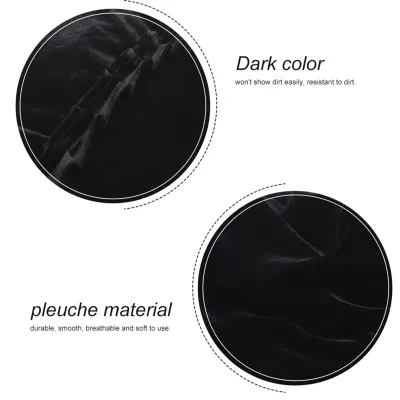
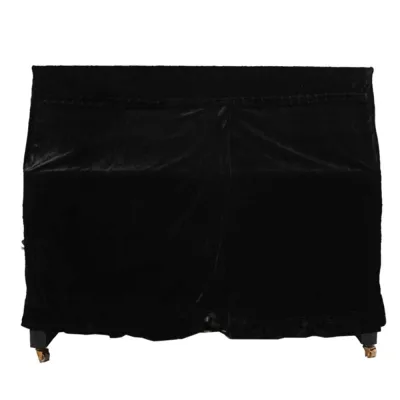
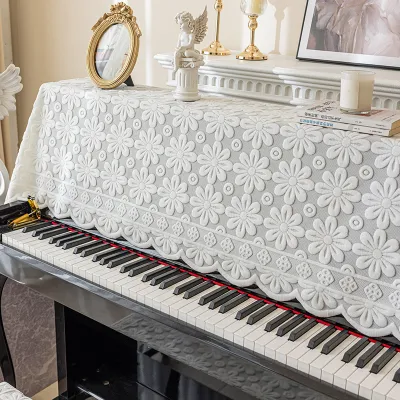
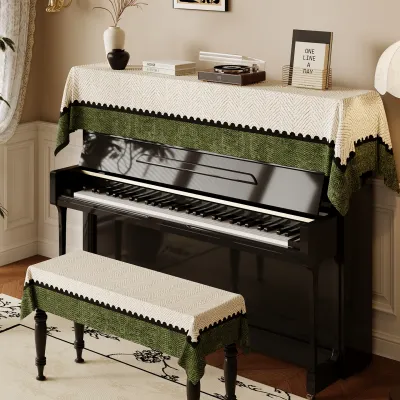
Prices are valid at publication and may change. Please refer to the product page for the latest price.
Understanding the Three Main Types of Upright Piano Covers
To make an informed decision, you must first understand the design, materials, and primary functions of each cover type. Each is engineered for a specific level of exposure and frequency of use.

Dust Covers (Top Covers)
Dust covers, often referred to as top covers, are designed to shield only the flat upper surface of the upright piano. These covers drape over the top lid and usually hang down between 10 to 20 inches along the front and sides, leaving the keyboard, lower casing, and pedals completely exposed.
Typically crafted from lightweight, decorative fabrics such as velvet, lace, chenille, or breathable polyester blends, dust covers are highly favored for their aesthetic appeal. They add a touch of elegance to a room without completely hiding the piano’s polished wood or gloss finish. Because they are lightweight, they are exceptionally easy to pull back or remove entirely, taking only a few seconds. This makes them highly practical for students, teachers, and dedicated hobbyists who practice daily and do not want to wrestle with heavy textiles before every session. However, because they leave the vertical surfaces and keyboard exposed, they offer no defense against spills, pet hair, or physical impacts on the lower half of the instrument.
Full-Length Covers
Full-length covers offer comprehensive protection by enveloping the entire upright piano from the top lid all the way down to the casters or floor. They act as a complete protective shroud, sealing off the front panel, the keyboard lid, the side panels, and the lower board near the pedals.
These covers are commonly manufactured from heavier, more durable materials such as water-resistant nylon, thick velvet, heavy cotton ducks, or vinyl. They are designed to block almost all external elements, making them highly effective at preventing dust, pet dander, and windblown debris from settling into the piano’s keys and internal action. Full-length covers are particularly useful in formal living rooms, school music rooms, churches, or vacation homes where the piano may sit idle for extended periods. While they provide excellent all-around defense, their large size and weight make them more cumbersome to remove and store, which can sometimes discourage spontaneous, short practice sessions.
Padded and Quilted Covers
Padded and quilted covers represent the heavy-duty tier of piano protection. They feature a robust, multi-layered construction consisting of a tough outer shell (usually water-resistant nylon or heavy canvas), a thick middle layer of polyester or cotton padding, and a soft, non-abrasive inner lining designed to protect the piano’s delicate high-gloss lacquer or satin wood finish.
These covers are specifically engineered to absorb physical impacts. The quilted stitching keeps the internal padding securely in place, ensuring consistent protection across all corners and flat surfaces. They shield the piano from accidental bumps, scratches, dents, and even minor vacuum cleaner collisions. Additionally, the thick padding provides a slight thermal buffer, helping to insulate the wooden cabinet from sudden temperature fluctuations. The primary trade-off is their sheer weight and bulk; they are heavy, difficult to fold, and require dedicated storage space when removed. Consequently, they are most commonly used in high-traffic environments, commercial music studios, institutional settings, or as protective wrapping during transport and relocation.
Key Comparison Dimensions for a Piano Cover Upright Owners Must Consider
When evaluating which cover type is right for your home, you must look closely at how each performs across several practical dimensions. These factors directly affect your instrument’s longevity and your daily playing experience.
Dust, Debris, and Pet Protection
Dust and airborne particles are more than just cosmetic nuisances; they are silent enemies of an acoustic piano’s mechanical action. Over time, microscopic dust slips between the keys, settling on the key pins and balance rails, which can increase friction and lead to sticky or sluggish keys. If you live in an area prone to dust—such as near a busy road or in a home that relies on open windows for ventilation—a top dust cover is insufficient. It only prevents dust from settling on the very top lid, leaving the keyboard gap and pedal openings vulnerable.
For homes with shedding pets, a full-length or padded cover is almost mandatory. Pet hair and dander easily find their way into the lower cabinet of an upright piano through the pedal openings. Once inside, they can accumulate on the soundboard and damp the strings or interfere with the delicate felt hammers. A full-length cover seals these entry points, ensuring that pet hair and floating dust remain on the exterior of the fabric rather than settling inside your piano’s action.
Moisture and Climate Considerations
In tropical climates like the Philippines, humidity is one of the most critical factors governing piano health. The wet season brings sustained high humidity, which causes the wooden soundboard, keybed, and action parts to swell. Conversely, dry spells or the constant cycling of air conditioning can cause the wood to shrink rapidly. These fluctuations throw the piano out of tune and can eventually cause the soundboard or pinblock to crack.
When selecting a full-length or padded cover, the breathability of the material is paramount. Non-breathable materials, such as heavy, unlined vinyl or cheap plastic sheets, can trap ambient moisture inside the piano cabinet. This trapped dampness creates a microclimate that accelerates string rust, causes key bushings to swell and stick, and promotes mold growth on the internal action felts. If you choose a full-length cover, ensure the fabric is breathable, such as a high-quality cotton blend or specialized porous polyester. It is important to note that while a padded cover offers a minor thermal buffer against sudden temperature drops from split-type air conditioners, no cover can replace active climate control. For optimal protection in humid regions, always pair a breathable cover with an internal piano dehumidifier heating rod or a dedicated room dehumidifier.
Impact, Scratch, and Sunlight Resistance
Physical damage is a constant threat in active households. Children playing nearby, pets jumping on furniture, or accidental bumps during household cleaning can easily chip or scratch a piano’s polished polyester or polyurethane finish. If your piano is located in a high-traffic hallway, a living room, or a multi-purpose space, a standard dust cover or thin full-length cover will not protect the wood from blunt impacts. Only a padded, quilted cover has the thickness required to absorb shocks and prevent dents.
Sunlight is another major hazard that is frequently overlooked. Direct ultraviolet (UV) rays will fade wood stains, yellow white keys, and dry out the natural oils in the wood, leading to premature aging and structural cracks. If your upright piano must be positioned near a window or glass door, a simple top dust cover leaves the entire front and sides of the cabinet exposed to UV damage. A full-length or padded cover acts as a complete physical sunblock, protecting the vertical panels, keyboard lid, and legs from sun fading and localized solar heating.
Convenience and Daily Playability
An underappreciated aspect of choosing a piano cover is how it affects your relationship with the instrument. The more steps required to sit down and play, the less frequently you are likely to practice. Lightweight dust covers excel in convenience; they can be slipped off, folded, and set aside in under ten seconds, making them highly encouraging for spontaneous play.
Full-length and padded covers, on the other hand, require a deliberate physical effort to remove, fold, and store. Handling a bulky, heavy textile can feel like a chore, especially for younger players or after a long day at work. If you choose a full-length cover but still want to play daily, look for designs that incorporate vertical zippers or split front panels. These features allow you to roll up or fold back the front section to expose only the keyboard and music stand, giving you the benefits of full-body protection without the hassle of removing the entire cover every time you want to play.
Decision Framework: Which Cover Fits Your Situation?
To help you finalize your choice, evaluate your living environment, daily routine, and local climate. Use this conditional framework to identify the cover type that aligns with your specific needs:
- Choose a Dust Cover if: You practice or play the piano daily, your home is located in a relatively clean, dust-free environment, you do not have indoor pets, and your primary goal is to protect the top lid from settling dust, scratches from decorative items, or minor top-surface spills.
- Choose a Full-Length Cover if: Your piano is positioned in a room prone to dust, you have shedding pets, the instrument is near a window where it faces direct sunlight, or the piano is played infrequently (such as in a formal receiving room, school hall, or church) and needs comprehensive protection from the elements.
- Choose a Padded Cover if: The piano is kept in a high-traffic area where children or pets are highly active, you plan to move or transport the instrument occasionally, or you want an extra layer of physical defense against accidental impacts and minor temperature fluctuations.
- Verify First if: You live in a highly humid tropical environment like the Philippines. Before purchasing any full-length or padded cover, confirm that the material is breathable and allows air circulation. If you must use a heavy cover, ensure you have an active climate control strategy in place, such as an internal piano dehumidifier heating rod, to prevent trapping damp air inside the cabinet.
From a budget perspective, standard lightweight top dust covers are highly accessible, typically ranging from ₱500 to ₱1,500. Full-length fabric covers generally cost between ₱2,000 and ₱5,000, depending on the textile quality and brand. Heavy-duty padded or quilted covers represent a larger investment, often priced between ₱6,000 and ₱12,000 or more, reflecting their specialized protective materials and construction.
Essential Features to Verify Before Buying
Before purchasing a cover from an online marketplace or local music store, check these critical specifications to ensure a perfect fit and long-term utility:
- Accurate Measurements: Upright pianos are not standardized; they vary significantly in height, ranging from compact spinets of 36 inches to professional uprights measuring 48 to 52 inches (approximately 121 to 132 cm). Measure your piano's exact height, width, and depth. A cover that is too short will leave the lower cabinet and pedals exposed, while a cover that is too long will pool on the floor, collecting dirt and creating a tripping hazard.
- Material and Breathability: Carefully read the fabric composition on the product listing. Avoid completely non-breathable synthetic plastics or heavy, unlined vinyl in humid tropical regions unless you run an air conditioner or a dehumidifier continuously. Opt instead for breathable cotton blends, high-grade velvet, or specialized porous polyesters.
- Access Slits and Zippers: If you decide on a full-length or padded cover, look for designs featuring built-in zippers or split front panels. These allow you to open the keyboard lid area without needing to strip the entire heavy cover off the instrument, making spontaneous practice sessions much more convenient.
- Care Instructions: Check if the cover is machine washable or requires professional dry cleaning. Lightweight dust covers are usually easy to wash at home, but large, padded covers may require professional spot cleaning or commercial-grade washers due to their bulk.
Frequently Asked Questions (FAQ)
Can a piano cover trap moisture and cause damage?
Yes, a non-breathable cover can trap moisture against the wood and felt parts of your piano, especially in highly humid environments. When warm, humid air gets trapped underneath a heavy vinyl or plastic cover without proper airflow, it can lead to sticking keys, rusted strings, and mold growth. To prevent this, always choose breathable fabrics and ensure your room has adequate ventilation, or install a dedicated piano dehumidifier rod inside the cabinet.
Do I need a cover if my piano is in a climate-controlled room?
Yes, even in a fully climate-controlled room, a piano cover is highly beneficial. While air conditioning controls temperature and humidity, it does not eliminate microscopic dust particles, which constantly settle on exposed surfaces. Over time, this dust can slip between the keys, accumulate on the soundboard, and coat the strings, which can damp the tone and affect the action’s responsiveness. A simple dust cover or lightweight top cover provides an effective barrier, reducing the need for deep professional cleanings.
Community discussion
Share your experience or ask a question. Comments are reviewed before publication.