
Selecting the right drum practice pad in the Philippines requires balancing realistic stick rebound, noise control, and durability under local climate conditions. For a beginner, a dedicated practice pad is the most practical tool to develop fundamental hand techniques, timing, and stick control before investing in a full drum kit. By focusing on key specifications such as surface material, base stability, and size, you can find an affordable and highly effective tool that fits your living space and practice habits. This guide outlines the essential features to evaluate so you can build a solid foundation without feeling overwhelmed by the variety of options available in local music stores.
Why Beginners Need a Dedicated Practice Pad
In the Philippines, many aspiring drummers live in close-quarters residential areas, shared family homes, or high-rise condominiums where the volume of an acoustic drum kit is highly impractical. Even electronic drum kits, while quieter, can produce significant low-frequency vibrations through floors that disturb neighbors or family members. A dedicated practice pad solves this issue by dampening the impact of your drumsticks, allowing you to practice at almost any hour of the day or night without causing noise complaints.
Beyond noise control, a practice pad is an essential tool for developing proper drumming mechanics. When you play on a highly resonant surface like an acoustic snare drum, the natural bounce can sometimes mask poor hand technique. A practice pad provides a controlled, consistent rebound that forces you to focus on your wrist movements, finger control, and stick height. This focused feedback helps build muscle memory and hand endurance much faster than practicing on soft, non-rebound surfaces like pillows, which can strain your wrists over time.
Products mentioned in this guide
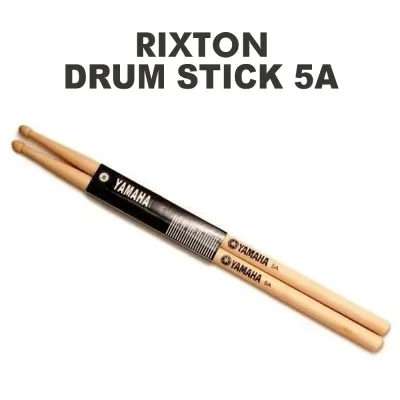
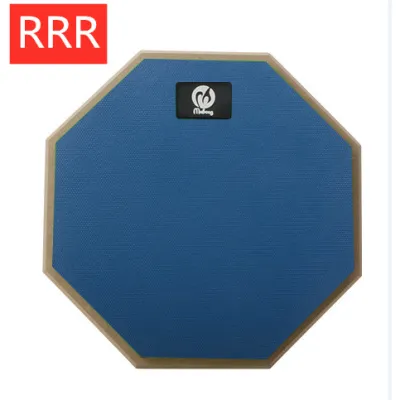
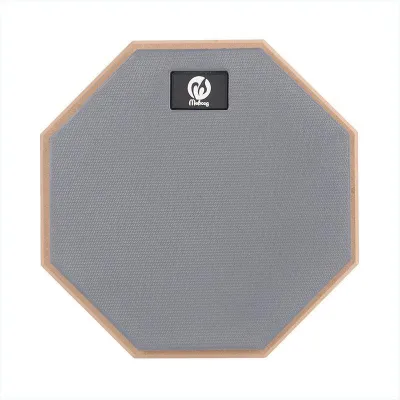
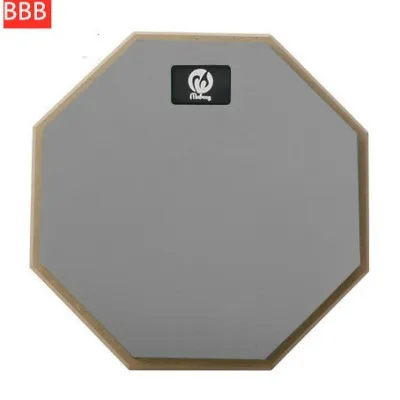
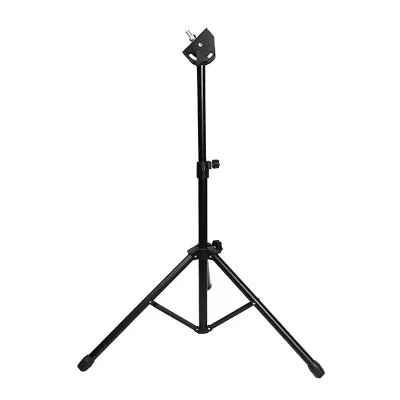
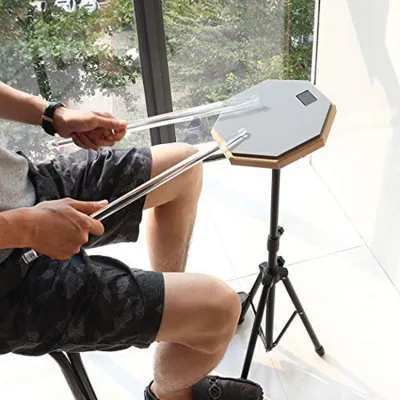
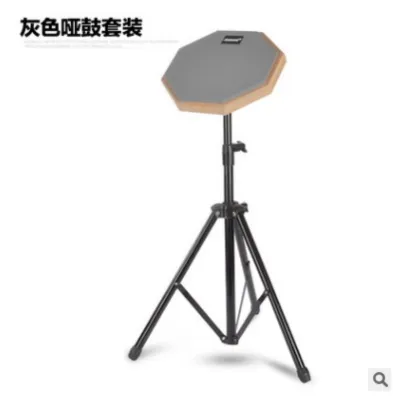
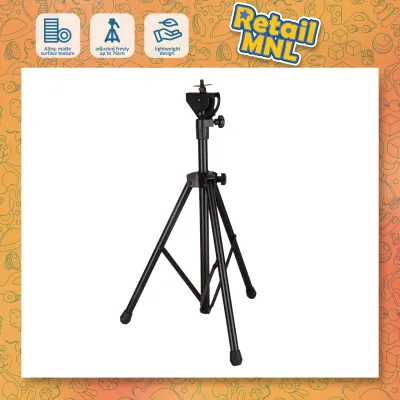
Prices are valid at publication and may change. Please refer to the product page for the latest price.
Portability is another major advantage for Filipino students and hobbyists. A full drum set is stationary and requires significant space, whereas a practice pad can easily slide into a backpack alongside your school or work gear. Whether you are commuting on a jeepney, waiting between classes, or traveling, you can bring your practice pad along to warm up your hands. This convenience ensures that you can maintain a daily practice routine, which is the most critical factor in mastering drum rudiments.
Additionally, the sheer convenience of a practice pad removes the physical and mental barriers to daily practice. Setting up an acoustic kit or powering up an electronic drum set can sometimes feel like a chore, especially after a long day of school or work. A practice pad sits ready on your desk or table, allowing you to squeeze in five or ten minutes of rudiment practice whenever you have a spare moment. This consistency is what ultimately builds muscle memory and speed over time.
Key Features to Evaluate When Choosing a Pad
When shopping for a practice pad, the surface material is the most critical factor because it dictates both the physical feel of the rebound and the volume of your practice sessions. Natural gum rubber is the most common material used in beginner pads; it offers a lively, high-rebound response that closely mimics the tension of a tightly tuned snare drum. However, gum rubber can produce a distinct clacking sound that might still be too loud for very quiet environments. Alternatively, softer silicone or neoprene surfaces offer a quieter, more muted response, though they provide less rebound, forcing your muscles to work harder to lift the stick.

The base material and overall weight of the pad determine how stable it remains during vigorous practice sessions. Most pads feature a base made of dense particle board, multi-ply wood, or heavy-duty molded plastic. A heavier base prevents the pad from shifting or sliding when placed on a flat table or desk. In the tropical climate of the Philippines, where high humidity levels are common, it is wise to check product descriptions for moisture-resistant finishes on wooden bases, as untreated wood can warp or delaminate over time when exposed to ambient moisture.
Size and thickness are also key considerations that affect both portability and target accuracy. Practice pads generally range from 6 inches to 12 inches in diameter. A smaller 6-inch pad is highly portable, lightweight, and forces you to maintain a precise, centered striking area, which is excellent for accuracy training. However, a larger 12-inch pad can be placed directly inside a standard snare drum stand, providing a more realistic physical setup that matches the geometry of a real drum kit. Beginners should weigh the convenience of a compact travel pad against the ergonomic benefits of a full-sized practice surface.
Common Types of Practice Pads and Their Feel
As you browse local music stores, you will encounter several distinct pad designs, starting with the choice between single-sided and dual-sided models. Single-sided pads feature a single type of playing surface, usually gum rubber, mounted on a wooden or plastic base with a non-slip foam backing on the underside. Dual-sided pads, on the other hand, offer two distinct playing surfaces: typically a softer, high-rebound rubber on one side, and a harder, denser rubber or recycled plastic surface on the reverse. The harder side produces a louder sound and minimal rebound, which is excellent for simulating the feel of a stiff marching snare or a ride cymbal, while also helping to build forearm strength.
Another major design variation is how the pad is mounted or positioned during use. Many flat pads feature a non-slip foam or rubber backing, allowing you to place them securely on any flat table, desk, or even on your lap. Some of these pads also include a threaded insert on the bottom, allowing them to be screwed directly onto a lightweight cymbal stand or a dedicated practice pad stand. If you prefer a more traditional setup, a 12-inch pad is designed to fit perfectly into the basket of a standard acoustic snare drum stand, giving you complete control over the height and angle of your practice surface.
For beginners who want to practice moving between different drums, multi-pad setups are an intriguing option. These configurations feature multiple small pads mounted on a single frame, simulating the layout of a snare, hi-hat, and toms. While more complex and less portable than a single pad, a multi-pad setup helps you develop spatial awareness and coordination across different physical zones. However, for absolute beginners focusing on basic rudiments like single strokes, double strokes, and paradiddles, a single high-quality pad is generally more than sufficient to build a solid foundation.
Building Your Shortlist: Matching Pads to Your Goals
To narrow down your options, you must first assess your primary practice environment. If you live in a quiet condominium or share a room with family members, your top priority should be noise mitigation. In this scenario, look for pads featuring soft, thick silicone or specialized open-cell foam surfaces, which absorb the impact of the stick and minimize ambient noise. While these materials do not bounce as much as natural rubber, they allow you to practice late at night without disturbing others.
If your primary goal is to develop speed, endurance, and clean double-stroke rolls, you should prioritize a high-rebound surface. Natural gum rubber pads are the standard choice for this type of technical practice because they return a significant amount of energy to the stick, allowing you to focus on fine finger control and relaxed wrist movements. When practicing on these high-rebound surfaces, ensure you maintain a relaxed grip to avoid transferring excess vibration into your hands and wrists.
Finally, consider your budget and evaluate the price-to-feature ratios in ₱ when browsing online marketplaces or physical music shops in the Philippines. Basic 6-inch single-sided pads are highly affordable and offer excellent value for beginners who want to test their interest in drumming without a significant financial commitment. Larger 12-inch dual-sided pads represent a higher investment in ₱, but they offer greater versatility, durability, and a more realistic playing experience that can support your learning journey for years. Compare the cost of the pad against your long-term goals, keeping in mind that a durable pad can withstand millions of stick impacts.
Essential Accessories and Setup Tips
To get the most out of your practice pad, you need to pair it with the right set of drumsticks. Beginners are generally advised to start with standard wood-tip sticks, such as size 5A or 7A, which offer a balanced weight and comfortable grip. When choosing sticks specifically for practice pad use, check the manufacturer’s guidelines to ensure the stick material and tip shape are compatible with your pad’s surface. Avoid using chipped, splintered, or damaged sticks, as rough wood fibers can easily tear or puncture soft rubber and silicone surfaces.
Ergonomics play a vital role in preventing fatigue and injury during long practice sessions. If you are using a flat pad on a table, ensure the table height allows your elbows to rest at a comfortable 90-degree angle. For a more ergonomic and adjustable setup, consider investing in a dedicated snare drum stand or a height-adjustable pad stand. This allows you to position the pad at the correct height and angle, simulating the exact physical posture you would use when sitting at a real drum kit.
Lastly, always refer to the product instructions for specific care and maintenance guidelines. Because the Philippines has a tropical climate with high humidity and temperature fluctuations, storing your pad in a cool, dry place away from direct sunlight is essential. Direct sunlight can dry out natural rubber, causing it to crack, harden, or lose its rebound properties over time. Keeping your pad clean and properly stored ensures that the materials remain compliant and responsive for years of daily practice.
Frequently Asked Questions (FAQ)
Can I use regular drumsticks on any practice pad?
Yes, you can use standard wooden or synthetic drumsticks on almost all practice pads, but you must ensure the sticks are in good condition. Before practicing, inspect your drumsticks for any sharp splinters, cracks, or chipped tips, as these imperfections can easily scratch, gouge, or tear the rubber or silicone surface of your pad. If you prefer nylon-tip sticks, ensure the nylon cap is securely attached and free of sharp edges. Some manufacturers also produce specialized lightweight practice sticks or plastic-tipped sticks designed specifically to reduce noise and wear on practice surfaces, so checking the product specifications is always recommended.
How do I clean and maintain a rubber practice pad?
Maintaining a rubber practice pad involves regular visual inspections and gentle cleaning to remove dust, sweat, and stick residue. Over time, tiny wood particles and oils from your hands can accumulate on the surface, reducing its grip and altering its texture. To clean the pad, gently wipe the surface with a soft microfiber cloth slightly dampened with clean water; avoid using harsh chemical solvents, alcohol, or abrasive scrubbers, as these can degrade the rubber compound. After wiping, allow the pad to air dry completely in a shaded area before storing it in a drawer or bag, away from direct sunlight and high-heat sources that could warp the base or dry out the adhesive.
Community discussion
Share your experience or ask a question. Comments are reviewed before publication.