
To start playing the drums, you do not need an entire room filled with expensive gear. You only strictly require four items: hearing protection, a pair of standard drum sticks, a practice pad, and a proper drum throne. These four tools allow you to practice safely, build correct muscle memory, and protect your body from injury.
Other commonly marketed items, such as extra cymbals, high-end stick bags, or specialized cleaning kits, are completely optional on day one. Investing in these secondary items too early can drain your budget before you understand your personal playing style. Focusing on the bare essentials ensures you spend your money where it impacts your progress and physical well-being the most.
Essential Drum Accessories Every Beginner Needs
To build a sustainable practice routine, you must distinguish between items that merely look professional and those that protect your body and facilitate learning. An accessory earns the “essential” label if it directly addresses safety, fundamental technique development, or physical ergonomics. Without these three pillars, a beginner risks developing poor physical habits, experiencing chronic pain, or even permanently damaging their hearing.
Products mentioned in this guide


![[In Stock]4 Pcs Drum Keys Set T Style Z Style Universal Drum Tuning Parts Standard Square Wrench 5.5mm Continuous Motion Speed Drum Key](https://img.lazcdn.com/g/p/cce41e6cc8d1a9992a92cf460123ec77.jpg_400x400q80.jpg_.webp)
Prices are valid at publication and may change. Please refer to the product page for the latest price.
In the Philippines, the humid tropical climate also plays a role in how you select and maintain these essentials. High humidity can cause cheap materials to warp, degrade, or rust rapidly. Investing in durable, well-made gear from the start protects your wallet from frequent replacement costs and ensures your practice sessions remain safe and productive.
Hearing Protection
Playing acoustic drums in enclosed spaces, such as a typical spare room or garage with concrete walls, presents a significant risk of hearing damage. The sound pressure levels of a standard acoustic kit easily exceed 110 decibels, which can cause permanent hearing loss and tinnitus in as little as a few minutes. Protecting your ears is not optional; it is the most critical safety measure any drummer must take.
When choosing hearing protection, you will generally choose between basic foam earplugs and over-ear protective muffs. Disposable foam earplugs are highly affordable, costing around ₱50 to ₱150 per pack, but they tend to muffle high frequencies, making the drum kit sound muddy. Over-ear protective muffs or specialized high-fidelity musician earplugs cost more—typically between ₱800 and ₱2,500—but they lower the overall volume evenly across all frequencies, allowing you to hear the nuances of your playing clearly.
Before purchasing, always check the Noise Reduction Rating (NRR) printed on the product packaging. For acoustic drumming, look for an NRR of at least 20 to 25 decibels to ensure your ears are sufficiently shielded from the impact of snare hits and cymbal crashes.
Drum Sticks and a Practice Pad
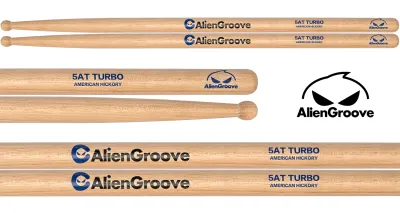
You cannot practice drumming without sticks, but you also do not need a massive variety of them. For beginners, a standard 5A size is highly recommended because of its versatile weight, length, and balance. This size is heavy enough to build hand strength but light enough to allow for rapid wrist movements, making it the ideal starting point for learning basic grips.
While a full drum kit is exciting, a practice pad is actually your most valuable tool for developing technique. A practice pad allows you to build rebound control, stick height consistency, and rudiment precision quietly, without overwhelming your household or neighbors. A standard 6-inch or 12-inch pad typically costs between ₱500 and ₱1,500 and can easily be placed on a table or mounted on a stand.
When buying sticks, check the material and tip shape on the label. Hickory is the industry standard for durability and shock absorption, which is especially important in humid climates where cheaper mystery woods can warp or splinter quickly. Nylon tips offer a bright, sharp sound on cymbals, while wood tips provide a warmer, traditional tone that feels natural on a rubber practice pad.
A Proper Drum Throne
Using a regular household chair, plastic stool, or dining bench as a drum seat is a recipe for poor posture and chronic back pain. Standard chairs do not sit at the correct height for drumming, forcing your knees into awkward angles and limiting your leg mobility. Furthermore, household chairs lack the stability and cushioning required to support your core while your limbs are in constant motion.
A dedicated drum throne is engineered specifically to support your pelvis and keep your spine aligned. Proper posture allows your feet to move freely on the bass drum and hi-hat pedals without forcing you to lean backward or forward to balance yourself.
Before buying a drum throne, check its stated weight capacity and the stability of its base. Look for double-braced legs, which prevent the throne from wobbling or tipping during intense play. Additionally, verify the height adjustment mechanism; spindle-style thrones that lock with a clamp are much more secure and durable than simple slip-pin designs, which can slide down over time.
Metronome or Click Track Access
Drummers are the timekeepers of any musical group, which makes developing a steady sense of rhythm your primary objective. A metronome is the only tool that provides an objective, unwavering reference point for your timing. Practicing without a metronome often leads to rushing during fast fills or dragging during slow grooves.
Fortunately, you do not need to buy an expensive physical metronome if you already own a smartphone. Dozens of highly accurate metronome applications are available for free or for a nominal fee. These digital tools allow you to customize time signatures, accents, and subdivisions easily.
If you choose to use a smartphone app, verify its compatibility with your device and check the screen visibility under different lighting conditions. More importantly, be aware of audio latency if you use Bluetooth headphones, as wireless delay can make it difficult to sync your strikes with the click. A wired headphone connection is highly recommended for accurate timing practice.
Optional Upgrades: When to Add These to Your Kit
As you progress past the basic rudiments, you will eventually feel the urge to expand your setup. The golden rule for upgrades is simple: only buy an item when a specific limitation actively hinders your practice, sound quality, or transport needs. Purchasing upgrades too early can clutter your space and distract you from mastering the fundamentals.

Cymbals and Hardware Upgrades
Most entry-level drum kits come bundled with cheap brass cymbals. While these are fine for learning how to strike a target, they lack tonal complexity and often sound harsh, clangy, and thin. Over time, this uninspiring sound can make practicing less enjoyable.
Consider upgrading your cymbals only when your ears can easily distinguish tonal differences and you require a more responsive crash, ride, or hi-hat for the musical styles you are learning. When you are ready, look for bronze alloy cymbals (such as B8 or B20 bronze), which offer a much richer, warmer, and more musical decay.
Before purchasing new cymbals, verify your hardware compatibility. Ensure your existing cymbal stands have the correct thread sizes for the tilters and that your boom arms can support the weight of heavier bronze cymbals without sagging or tipping over.
Drum Mutes and Sound Control
If you live in a dense residential area, an apartment, or a shared household, the sheer volume of an acoustic drum kit can lead to noise complaints. If your practice hours are severely restricted by your living situation, sound control accessories become a highly practical upgrade.
To reduce acoustic volume, you can invest in mesh drumheads, rubber pad mutes, or low-volume metal cymbals. Rubber mutes sit directly on top of your existing drumheads and cymbals, cutting the volume by up to 70% while preserving a realistic rebound. Mesh heads replace your standard heads entirely, offering an even quieter experience that is perfect for late-night practice.
Before purchasing any mute sets or mesh heads, measure the exact diameter of your drum shells using a tape measure. You must also check your hoop profiles, as some mute systems require specific rim shapes to clip on securely.
Cases, Bags, and Maintenance Kits
Protecting your instrument is important, but the level of protection you need depends on how often your kit leaves your house. Heavy-duty, hard-shell flight cases are expensive and only necessary if you are touring or shipping your drums. For occasional transport to band rehearsals or local gigs, soft padded bags offer sufficient protection against scratches and light impacts at a fraction of the cost.
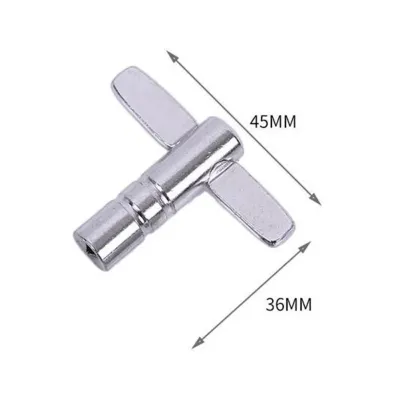
For basic maintenance, a simple drum key is an absolute necessity for tuning and replacing drumheads. Most drum kits include one, but keeping a spare drum key on your keychain is a smart, low-cost habit. A basic microfiber cloth is also incredibly useful for wiping down sweat, dust, and fingerprint oils after every session, preventing the metal hoops and tension rods from rusting in humid environments.
How to Avoid Overspending on Beginner Gear
When browsing online marketplaces or local music stores, you will frequently encounter “complete accessory bundles.” These packages often promise convenience but frequently pad the overall price with low-quality, unnecessary items like flimsy music stands, cheap stick bags, or poorly formulated cleaning sprays. Instead of buying pre-packaged bundles, you will get much better value by purchasing your accessories individually.
Prioritize your budget toward a high-quality drum throne and reliable hearing protection. These two items directly impact your health and comfort, meaning a higher initial investment pays off in the long run. A cheap throne that breaks after a few months or causes back pain will end up costing you more in replacements and medical bills than a sturdy, mid-range model.
To save money, consider exploring the second-hand market for heavy hardware stands, drum thrones, and practice pad stands. Metal hardware is highly durable, and high-quality used stands can often be found at a 40% to 60% discount compared to retail prices. However, you should always buy drum sticks, ear protection, and practice pads brand new. Buying these items new ensures proper hygiene, structural integrity, and maximum reliability.
Frequently Asked Questions (FAQ)
Do I need to buy a specialized drum rug for my acoustic kit?
You do need a rug, but it does not have to be a specialized, branded drum rug. A rug is necessary to prevent your bass drum and hi-hat stand from sliding away from you while you play, and it protects your floor from scratches. Before spending money on an expensive branded rug, try using an old, tightly woven household carpet or a utility rug with a non-slip rubber backing, which will perform the exact same function.
Are electronic drum accessories compatible with acoustic kits?
Some electronic accessories can be integrated into an acoustic setup, but compatibility is highly specific. Acoustic triggers and mesh heads can transform an acoustic shell into a quiet electronic hybrid kit, but you must verify that the trigger mounts match your hoop style and that the mesh heads match your shell diameters. Additionally, electronic cymbal pads require a compatible drum module or audio interface to produce sound; they will not function as standalone acoustic cymbals.
How often should beginners replace their drum sticks?
There is no set timeline for replacing drum sticks, as wear depends on your practice hours, grip tension, striking angles, and the music style you play. Beginners often break sticks faster due to improper striking angles on cymbals. Inspect your sticks regularly for deep dents along the shoulder, severe splintering, or cracked tips. Replace them immediately once you notice a loss of structural integrity, a change in weight balance, or a dull sound on your practice pad.
Community discussion
Share your experience or ask a question. Comments are reviewed before publication.