
If you are struggling to keep your beginner guitar in tune, you might wonder if upgrading to locking tuners is the magic solution. The short answer is no: locking tuners are not a necessity for learning to play, nor are they a guaranteed fix for every tuning issue. While they offer incredible convenience, they are a premium upgrade rather than a mandatory requirement for a beginner instrument.
Most tuning instability on entry-level guitars actually stems from setup flaws, old strings, or improper winding techniques rather than the tuning pegs themselves. Before spending your money on new hardware, it is essential to diagnose where your tuning problems are coming from. Consider upgrading only if you have ruled out other common issues and want to make string changes faster and less frustrating.
Common Causes of Tuning Instability (Check These First)
Before blaming your tuning pegs, you must investigate other components of your guitar. In tropical environments like the Philippines, high humidity and sudden temperature shifts—such as moving your guitar from an air-conditioned room to a warm, humid outdoor space—can cause the wood of the neck to expand and contract. This environmental shift naturally alters string tension, which no tuner can prevent.
Products mentioned in this guide

![[Ueb Flagship Mall]6Pcs Guitar Locking Tuners Reusable Black Locking Tuners Sealed Machine Heads Tuners for Acoustic Or Electric Guitar](https://img.lazcdn.com/g/p/00b44655f2e496d64eda1a6c50b8a7df.jpg_400x400q80.jpg_.webp)
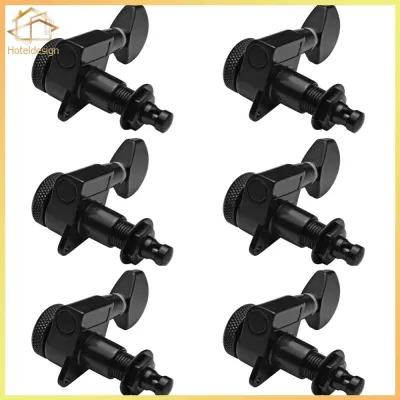

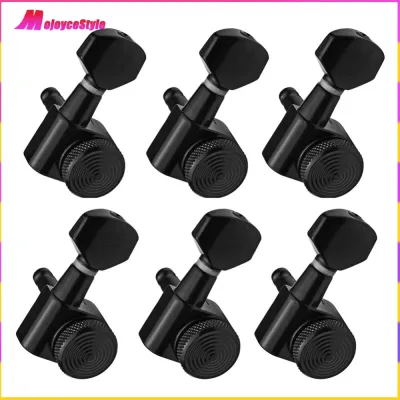
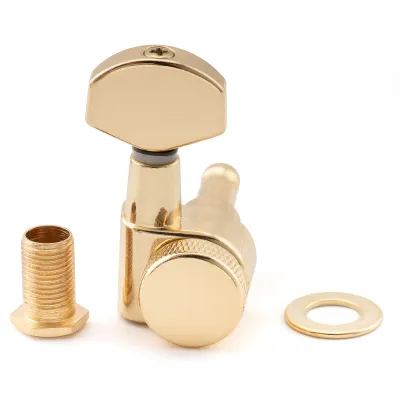
Prices are valid at publication and may change. Please refer to the product page for the latest price.
The most common culprit behind tuning drift is actually the guitar nut. If the slots are cut too narrow or have rough edges, the strings will bind and get stuck. When you turn the tuning peg, the string tension builds up behind the nut until it suddenly slips with a sharp “ping” sound. This friction prevents the string from returning to its proper pitch after you bend a note.
Another frequent issue is poor string winding technique. Standard tuning posts require you to manually wrap the string around the post several times. If these wraps are loose, overlapping, or unevenly spaced, the string will slowly slip and settle as you play. This gradual slippage causes the pitch to drop constantly, making it feel like your tuners are failing when the real issue is simply a loose wrap.
Additionally, brand-new strings are highly elastic and will naturally stretch out over their first few hours of use. If you do not physically stretch your new strings after installing them, they will constantly go flat as they acclimate to the instrument’s tension. Finally, if your guitar features a tremolo bridge, using it can cause the strings to catch on the bridge saddles or the nut, preventing the bridge from returning to its exact neutral point.
Signs You Actually Need a Locking Tuner Upgrade
While standard tuners are perfectly adequate for learning, certain scenarios and symptoms make upgrading to locking tuners a highly practical decision. If you find yourself experiencing specific frustrations during your practice sessions, new hardware might be the right path forward.

One clear sign is frequent string breakage right at the tuning post. On standard tuners, the sharp angles and multiple wraps can create high-friction pinch points. If you tend to break strings often at the headstock, the simplified, wrap-free design of locking tuners can significantly reduce this localized stress on the metal core of the string.
Another major factor is how much you value your time during maintenance. If you find the traditional restringing process tedious and frustrating, locking tuners are a game-changer. They allow you to change a broken string in under a minute, which is incredibly valuable if you are starting to play with friends, perform at local gigs, or record your practice sessions.
You might also consider an upgrade if you have thoroughly troubleshot your guitar’s setup and still experience persistent tuning drift. If you have lubricated the nut slots, stretched your strings, and verified that your bridge is stable, yet you can still see the string slowly slipping around the tuning post, your stock tuners may have loose internal gears.
Lastly, many players prefer locking tuners simply for a cleaner headstock appearance. Without the messy coils of excess wire wrapped around each post, your guitar looks much more professional and neat. This aesthetic preference, combined with the ease of maintenance, makes the upgrade highly appealing to many developing players.
How Locking Tuners Work and What They Fix
To understand why locking tuners are so effective, it helps to look at their mechanical design. Standard tuners rely on friction from multiple wraps of the string around the post to hold tension. Locking tuners, however, feature an internal mechanical clamp—usually controlled by a thumbwheel on the back of the tuner housing or a top-screw mechanism.
When you thread the string through the post hole, you simply pull it taut and tighten the thumbwheel. This action pushes an internal pin against the string, locking it securely in place. Because the string is physically clamped, you do not need to wrap it around the post at all. You simply lock it, cut off the excess wire, and tune directly up to pitch.
This mechanism directly fixes post slippage, which is a common source of tuning drift on cheaper instruments. It also drastically reduces the time it takes for new strings to stretch and settle, as there are no loose wraps that need to tighten down. However, it is crucial to understand what locking tuners cannot fix. They will not resolve tuning issues caused by a sticky nut, rough bridge saddles, incorrect intonation, or structural neck movement.
Before purchasing a set of locking tuners, you must perform essential compatibility checks. Measure the diameter of the peg holes in your guitar’s headstock, as modern tuners typically require 10mm holes, while vintage-style tuners use smaller dimensions. You must also check the alignment of the mounting screws on the back of the headstock and ensure the post heights match your guitar’s specifications to maintain a proper string break angle.
Step-by-Step: Upgrading Your Beginner Guitar Tuners
If you decide to upgrade, the installation process is relatively straightforward, but it requires patience and the right approach to avoid damaging your instrument.
First, verify your hardware configuration. Electric guitars come in various layouts, such as a “6-in-line” configuration for Stratocaster-style headstocks or a “3+3” layout for Gibson-style headstocks. You must also determine if your guitar requires staggered post heights. Staggered tuners have shorter posts for the high strings, which eliminates the need for string trees and improves overall tuning stability.
Before starting, gather the necessary tools, including a small screwdriver, a wrench or socket set for the hex bushings, and a soft cloth to protect your guitar’s finish. Work on a flat, stable surface. To prevent scratching the wood or lacquer of your headstock, place a layer of low-tack painter’s tape around the tuner areas before loosening any hardware.
It is vital to recognize when to stop and seek professional help. If the new tuners do not fit perfectly into the existing peg holes, or if the mounting screw holes do not align, do not attempt to force them. Forcing a screw can easily strip the wood or crack the headstock. If your guitar requires drilling new pilot holes or enlarging the existing peg holes, stop the DIY process and consult a qualified guitar technician at a local music shop.
Once the new tuners are safely installed, stringing your guitar is incredibly simple. Rotate the tuner post so the hole aligns with the string path. Pull the string completely taut through the hole with your hand, tighten the locking wheel on the back until it is snug, and then tune the string up to pitch. Finally, clip the excess wire close to the post for a clean, professional finish.
Frequently Asked Questions (FAQ)
Will locking tuners improve my guitar's tone?
Locking tuners will not noticeably improve your guitar’s tone or sustain. While some players argue that the added mass of the locking mechanism on the headstock can slightly alter the instrument’s resonance, this effect is highly subjective and virtually imperceptible on a beginner guitar. You should invest in locking tuners for their convenience and tuning stability, not with the expectation of a tonal upgrade.
Can I install locking tuners on any acoustic or classical guitar?
Most locking tuners are engineered specifically for electric guitars and steel-string acoustic guitars with solid headstocks. They are generally incompatible with classical guitars, which feature slotted headstocks and thick plastic rollers designed for nylon strings. Nylon strings behave very differently under tension and require traditional wrapping methods, meaning standard locking tuners will not work on these instruments.
Do locking tuners make restringing easier for beginners?
Yes, locking tuners make the restringing process significantly easier and more approachable for beginners. New players often struggle with winding strings neatly, which frequently leads to overlapping wraps and severe tuning instability. By eliminating the need for complex winding techniques, locking tuners simplify routine maintenance, allowing you to keep your guitar in peak playing condition with minimal effort.
Community discussion
Share your experience or ask a question. Comments are reviewed before publication.