
Quick Answer: Snare Drum Harness Basics and Who Needs One
A snare drum harness is a wearable, frame-like support system designed to distribute the weight of a snare drum across your shoulders, upper back, and torso. Unlike a traditional floor stand, a harness anchors the instrument directly to your body, allowing you to play while walking, marching, or performing choreography.
As a beginner, whether you need one depends entirely on your playing environment. If you are practicing rudiments at home, playing in a seated concert band, or learning a standard drum kit, you do not need a harness—a traditional snare stand is the correct tool. However, if you are joining a marching band, a drumline, or a mobile street performance group, a snare drum harness is an essential piece of equipment that you will need to invest in.
Snare Drum Harness vs. Standard Stand: Core Differences
Understanding the physical and functional differences between a harness and a stand helps you choose the right setup for your learning journey.
Products mentioned in this guide
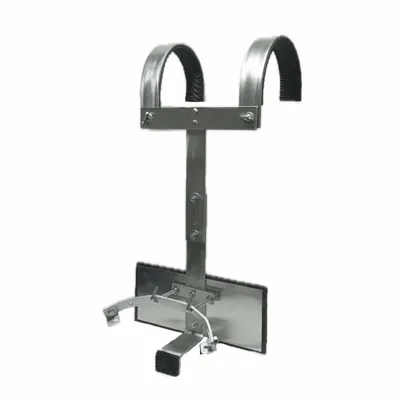
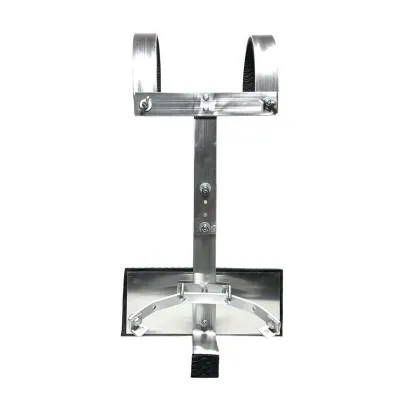
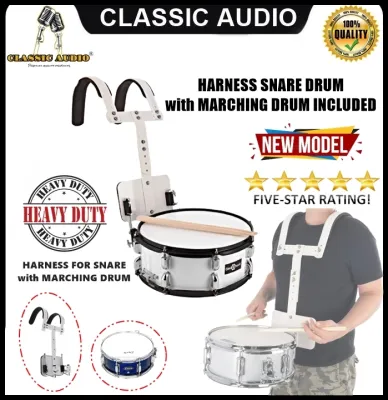
Prices are valid at publication and may change. Please refer to the product page for the latest price.

A standard snare stand is a stationary tripod that rests on the floor. It features three adjustable legs, a telescoping vertical shaft for height adjustment, and a three-armed basket at the top that grips the bottom hoop of the drum. The stand completely isolates the drum’s weight from your body, meaning you feel zero physical strain while playing. However, it confines you to a single, fixed spot on the floor.
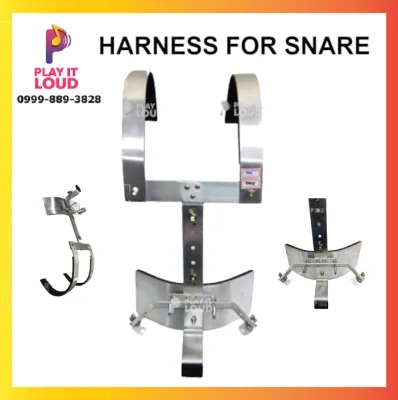
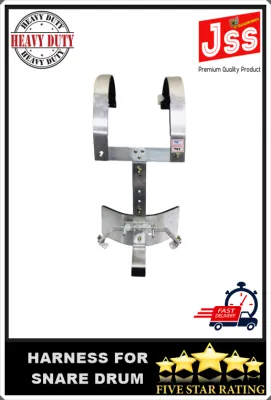
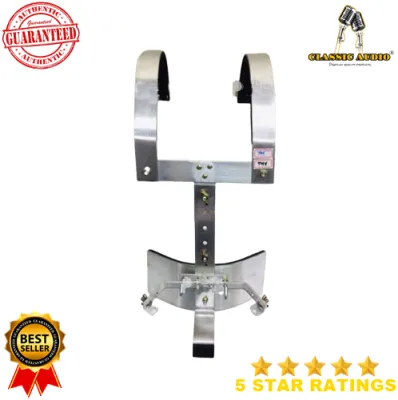
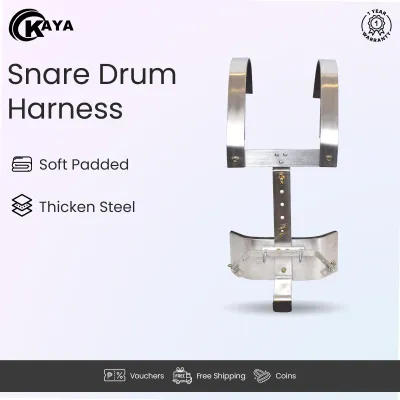
In contrast, a snare drum harness—often called a carrier—is a rigid vest-like frame typically constructed from lightweight aluminum or composite materials. It features padded shoulder straps, a back support plate, and a belly plate that rests against your midsection. The drum attaches to the front of the harness using specialized hooks or J-bars. This wearable design transfers the entire weight of the drum onto your skeletal structure. While this requires active core engagement and proper posture, it grants you complete physical mobility, allowing you to march, turn, and perform complex field maneuvers while maintaining a consistent playing angle.
Self-Diagnosis: Signs You Need a Snare Drum Harness
If you are unsure whether to purchase a harness or stick with a standard stand, evaluating your specific playing scenarios and physical comfort will guide your decision.
Marching Band and Drumline Participation
The most common reason to acquire a harness is participation in an organized marching ensemble. Whether you are joining a school drumline or performing in a local community festival, carrying your instrument is mandatory. In the tropical climate of the Philippines, street parades and festival performances often require hours of continuous walking under the sun. A high-quality harness is essential in these scenarios to keep the drum stable and secure as you navigate uneven streets and outdoor terrain.
Standing Performances and Mobility
If you perform in a mobile brass band, a street percussion group, or an active stage show where you must interact with the audience, a stationary stand is highly impractical. A harness allows you to remain part of the visual performance, moving freely across the stage or street without being anchored to a single spot.
Posture and Comfort Issues
Some beginners attempt to carry a snare drum using a simple over-the-shoulder strap, often called a sling. While slings are lightweight and inexpensive, they suspend the drum from a single point, pulling down heavily on one side of your neck and shoulder. This uneven weight distribution can quickly lead to muscle fatigue, poor posture, and spinal misalignment. If you experience persistent neck, shoulder, or lower back pain after short playing sessions with a sling, upgrading to a dual-shoulder padded harness is a much healthier alternative that distributes the load evenly across both sides of your body.
Practice Environment Constraints
If your primary rehearsal space is highly dynamic, lacks flat ground, or requires you to frequently pack up and move your gear across outdoor fields, a wearable carrier can be more practical than carrying a bulky tripod stand. It allows you to keep your hands free to carry other gear while keeping your drum safely attached to your torso.
When a Standard Snare Stand Is Enough for Beginners
For many beginners, a snare drum harness is an unnecessary expense that can actually hinder early skill development. A standard stand is often the better choice under several common conditions.
Seated Playing
If you are learning to play a traditional drum kit or performing in a seated concert orchestra, a harness is completely unusable. When you sit down, the lower belly plate and support bars of a harness will press uncomfortably into your thighs and stomach, restricting your breathing and preventing you from operating the bass drum or hi-hat pedals. A standard tripod stand is designed specifically to hold the drum at the perfect height and angle for seated players.
Stationary Practice
If your immediate goal is simply to master basic rudiments, rolls, and stick control at home, a stand is highly superior. Practicing on a stationary stand allows you to focus entirely on your hand technique, grip, and posture without the added physical fatigue of wearing a heavy drum.
Budget and Setup Simplicity
Standard snare stands are significantly more affordable than marching harnesses, with reliable entry-level stands costing between ₱1,500 and ₱4,000. Harnesses, especially those with robust padding and heavy-duty hardware, are a major financial investment. Furthermore, stands require zero body fitting or complex adjustments; you simply open the tripod legs, place the drum in the basket, and start practicing immediately.
What to Check Before Buying Your First Harness
If your self-diagnosis confirms that you need a harness, you must evaluate several critical factors before making a purchase to ensure safety, comfort, and hardware compatibility.
Drum Compatibility
Snare drums and harnesses are not universally compatible. Marching snare drums are built with heavy-duty shells and feature specialized mounting brackets, carrier plates, or dual vertical tubes designed to receive the harness’s J-bars. Standard concert or drum kit snares lack these mounting points. Before buying, examine your drum’s shell and hoops to verify what type of attachment hardware it requires, and ensure the harness you select matches those specific connection points.
Adjustability and Fit
A poorly fitted harness can cause severe back strain and long-term physical discomfort. Look for a model that offers extensive adjustment options, including adjustable shoulder height, torso length, and belly plate positioning. The harness should allow you to position the drum at a comfortable playing height—typically around your waist or upper hip area—without compressing your chest or restricting your breathing during physical exertion.
Weight Distribution Design
Pay close attention to the quality of the padding on the shoulder straps and back support. Because marching drums can be heavy, thick, high-density foam padding is essential to prevent the metal frame from digging into your collarbones. In hot and humid environments, look for harnesses featuring breathable, moisture-wicking padding materials to minimize skin chafing and heat exhaustion during long outdoor rehearsals.
Return and Trial Policies
Because body shapes and proportions vary widely, a harness that looks perfect online may not fit your frame comfortably in reality. When ordering from an online marketplace or a local music retailer, always verify the return and exchange policies. If possible, visit a physical store to try on the harness with your actual drum attached, allowing you to evaluate the balance, center of gravity, and overall comfort before finalizing your purchase.
Frequently Asked Questions (FAQ)
Can I use a snare drum harness with a standard drum kit?
While it is physically possible to wear a harness while sitting behind a drum kit, it is highly impractical and uncomfortable. The rigid metal frame, shoulder straps, and belly plate of a marching harness are designed for an upright, standing posture. When you sit down, the lower support bars will press hard against your lap, restricting your leg movement and making it difficult to operate the bass drum and hi-hat pedals. For seated drum kit playing, a standard tripod snare stand is the only practical option.
How do I know if my snare drum is compatible with a harness?
To determine compatibility, inspect your snare drum’s shell and hoops. Marching snare drums are specifically designed for harnesses and will feature pre-installed mounting brackets, carrier plates, or attachment tubes. Standard concert or drum kit snares do not have these features. If you want to use a standard snare with a harness, you will need to purchase a specialized rim-mounting adapter that clamps onto the drum’s hoops, or use a universal sling-style harness. Always consult the manufacturer’s specifications to ensure your drum’s hoops can withstand the vertical tension of a harness attachment.

Community discussion
Share your experience or ask a question. Comments are reviewed before publication.