
Choosing your first drum throne is often treated as an afterthought compared to picking out cymbals, pedals, or a snare drum. However, your seat is the actual foundation of your entire drum kit setup. If your body is unstable, your core muscles must constantly work to keep you upright, which directly limits your foot speed, limb independence, and overall endurance. While a heavy duty drum throne offers maximum stability, it is not a mandatory purchase for every beginner.
The Short Answer: Who Actually Needs a Heavy Duty Drum Throne?
A heavy duty drum throne is a highly specialized piece of hardware designed for specific physical and performance demands. You genuinely benefit from this level of construction if your body weight exceeds 90 kilograms, if you play highly aggressive music genres that require intense physical movement, or if you practice for multiple hours almost every day. In these scenarios, standard hardware can wear out prematurely or fail to provide the solid foundation required for safe, ergonomic playing.
Conversely, many beginner drummers are perfectly served by high-quality standard thrones. If you have a lighter physical build, practice for less than an hour at a time, and play with a relaxed, stationary technique, a standard model will easily meet your needs. Upgrading to a heavy-duty model is a structural solution to specific physical stresses, not a mandatory rite of passage that will automatically make you a better musician.
Products mentioned in this guide
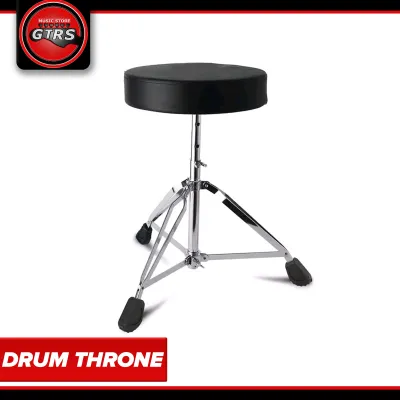
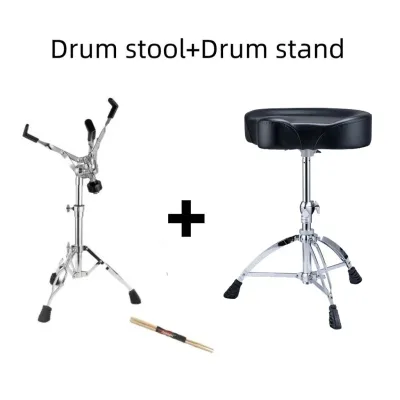
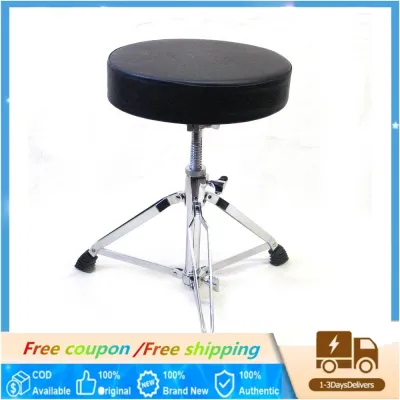
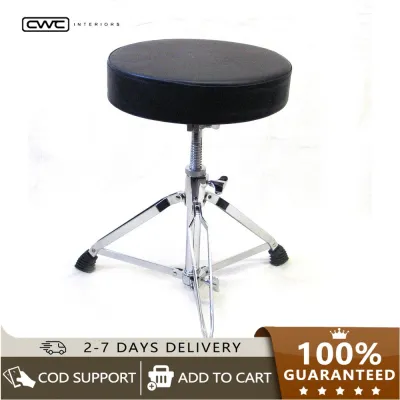
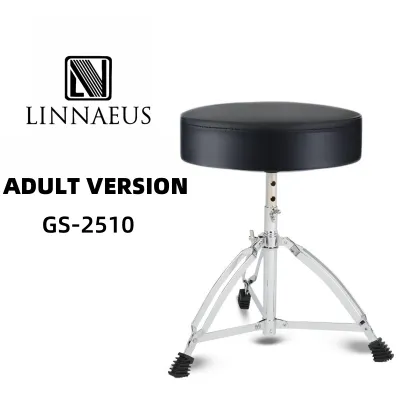
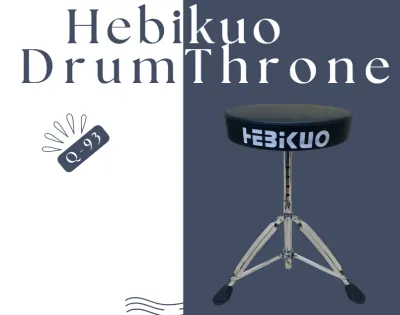
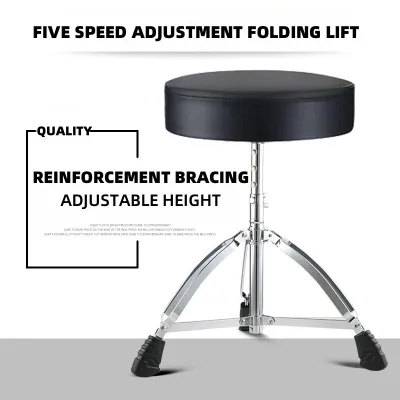
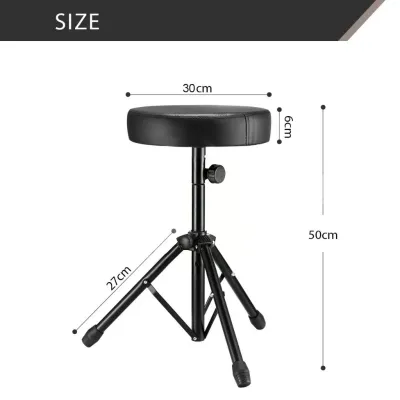
Prices are valid at publication and may change. Please refer to the product page for the latest price.
Signs Your Current Drum Throne Is Holding You Back
Before spending money on an upgrade, you should diagnose whether your current seat is actually causing problems. Physical and mechanical warning signs are clear indicators that your hardware is failing to support you.

Observable mechanical failures are the most obvious indicators that you have outgrown your current seat. If you notice your hydraulic cylinder slowly sinking during a practice session, or if the seat tilts slightly to one side when you shift your weight, the internal locking mechanisms are failing. Squeaking joints, rattling base collars, and a wobbling center post are also signs of structural wear. In hot and humid tropical climates, like those common in the Philippines, high humidity can accelerate the degradation of low-grade metal joints, cheap lubricants, and synthetic seals, leading to early mechanical failure.
Physical discomfort during or after playing is another critical signal. If you regularly experience lower back fatigue, hip joint pain, or tailbone pressure after a short practice session, your throne’s cushion is likely bottoming out. Feeling unanchored or unstable when you lift your feet to play the bass drum or hi-hat pedals indicates that the base footprint is too narrow or lightweight to support your center of gravity.
However, you must perform a quick diagnostic check before blaming your gear. Verify that your throne is set to the correct height, with your hips positioned slightly above your knees to form an angle of roughly 90 to 100 degrees. Additionally, ensure that your drum rug is flat and the floor surface underneath is completely level. An uneven floor tile or a bunched-up rug can easily mimic the symptoms of a unstable, failing throne.
The 3-Factor Self-Assessment: Do You Need the Heavy Duty Upgrade?
Determining whether to invest in a heavy-duty model comes down to understanding how physical forces interact with your gear. Drum throne stress is a direct combination of static load, dynamic movement, and time. By assessing these three distinct factors, you can make an informed decision about your hardware needs.
Factor 1: Body Weight and Build
Your physical mass is the primary static load your drum throne must support. Standard entry-level thrones are typically designed with weight limits ranging from 70 to 90 kilograms. Heavy-duty models, by contrast, are engineered with reinforced steel, thicker locking collars, and heavy-gauge spindles to safely support 130 to 150 kilograms or more.
If your body weight is near or above the upper limit of a standard throne, you will rapidly accelerate the wear on pneumatic cylinders and threaded spindle joints. Over time, this constant stress leads to slow, frustrating seat sinking or structural flexing. Always check the manufacturer’s official model specifications for weight capacity before making a purchase. Exceeding these engineering limits compromises your posture and presents a genuine safety risk if a weld or joint fails suddenly.
Factor 2: Playing Style and Physical Movement
Your physical approach to the drum kit determines the dynamic load placed on the throne. A jazz or acoustic folk drummer who maintains a relaxed, upright posture puts relatively stable vertical pressure on the seat.
If you play aggressive rock, metal, or punk, your body is constantly in motion. Utilizing double bass drum pedals, reaching for wide cymbal setups, and shifting your weight during fast drum fills creates substantial lateral shear stress. This side-to-side force pushes against the center post and base legs. Heavy-duty bases feature double-braced legs and wider footprints specifically to resist this lateral force, preventing the throne from tipping or sliding across your drum rug.
Factor 3: Practice Frequency and Session Length
Time is the final variable in the durability equation. If you only sit at your drum kit for a casual 20-minute jam session on the weekends, a standard foam cushion has plenty of time to recover its shape, and your body is unlikely to experience severe fatigue.
If you practice daily for two hours or more, the physical demands on the seat cushion multiply. Low-density foam quickly compresses under sustained body heat and weight, leaving you sitting on the hard wooden or metal mounting plate beneath. Heavy-duty thrones utilize high-density polyurethane or molded memory foam. These materials are engineered to retain their shape and structural support over hundreds of hours of continuous use, preventing posture collapse and protecting your lower back.
Standard vs. Heavy Duty Drum Thrones: Where the Money Goes
Understanding the physical engineering differences between these two tiers of hardware helps clarify why heavy-duty models carry a premium price tag. Standard thrones typically range from ₱1,500 to ₱4,000, while heavy-duty options generally cost between ₱6,000 and ₱15,000 or more.
Base Construction and Footprint
Standard bases use thin, single-braced metal legs and small rubber feet. They are lightweight and easy to transport, but they flex under heavy loads. Heavy-duty bases feature thick, double-braced steel legs, oversized multi-directional rubber feet that grip the floor, and a much wider tripod footprint to prevent tipping.
Lift and Adjustment Mechanisms
Basic thrones rely on simple slide-and-bolt systems or thin friction clamps, which can slip over time. Heavy-duty models utilize thick, threaded steel spindles with heavy-gauge memory locks, or robust hydraulic cylinders that allow for instant height adjustments while maintaining a completely secure lock.
Cushion Quality and Ergonomics
Standard seat tops are usually small, round, and filled with low-density foam wrapped in thin vinyl. Heavy-duty seats offer larger diameters, ergonomic saddle shapes to reduce thigh friction, and high-density molded foam. Many premium models also feature breathable fabric tops, which are highly beneficial in tropical climates to reduce heat buildup.
| Feature | Standard Drum Throne | Heavy Duty Drum Throne |
|---|---|---|
| Base Bracing | Single-braced, narrow tripod footprint | Double-braced, wide tripod footprint |
| Lift Mechanism | Friction bolt or basic sliding shaft | Threaded steel spindle or heavy hydraulic cylinder |
| Seat Foam Density | Low to medium density (prone to bottoming out) | High-density molded foam or memory foam |
| Ideal User Profile | Lightweight players, casual hobbyists, short sessions | Heavier builds, touring drummers, daily long sessions |
Your Action Plan: Upgrade, Adjust, or Stick with Standard?
Now that you have assessed your physical build, playing style, and practice habits, you can choose the most logical path forward.
Path A: Stick with Standard
If you are a lightweight player who practices casually and experiences no physical pain, your current standard throne is perfectly adequate. To maximize its lifespan and protect your body, focus on proper setup. Adjust the height so your hips are slightly higher than your knees, and ensure all wing nuts, memory locks, and collar clamps are securely tightened before every session.
Path B: Upgrade to Heavy Duty
If you exceed 90 kilograms, play highly active styles, or experience persistent back pain, upgrading is a smart investment in your health and playing longevity. When shopping, prioritize a double-braced base, a high-density foam seat, and a threaded steel spindle mechanism. Always verify the manufacturer’s exact weight capacity specifications rather than relying solely on the “heavy duty” label.
Path C: The Middle Ground
If your current throne base is sturdy and double-braced, but the seat cushion has flattened or causes discomfort, you do not need to buy an entirely new throne. Many manufacturers sell individual replacement seat tops. Before purchasing, verify the stem diameter compatibility of your current base (typically 7/8 inch or 1 inch) and consult the manufacturer’s instructions to ensure a safe, secure fit. This approach saves money while giving you the ergonomic comfort of a premium seat.
Frequently Asked Questions (FAQ)
Can I just buy a heavier, larger seat for my standard throne base?
Mixing and matching throne parts can introduce safety risks. Placing a heavy, oversized saddle seat on a narrow, lightweight, single-braced base shifts the center of gravity upward. This makes the entire throne top-heavy and highly prone to tipping over when you lean or shift your weight. Always verify the stem diameter compatibility and the maximum weight rating of your existing base before upgrading only the seat top.
Does a heavy duty drum throne improve my drumming technique?
A heavy-duty throne does not directly teach you how to play, but it removes physical barriers that hinder your progress. When you sit on a completely stable, comfortable foundation, your core muscles do not have to work constantly to keep you balanced. This physical stability allows your legs and arms to move more freely, reducing muscle tension, preventing fatigue, and allowing you to practice productively for longer periods.
Community discussion
Share your experience or ask a question. Comments are reviewed before publication.