
Setting up your first acoustic drum kit at home is an exciting milestone, but the sheer volume of the instrument can quickly turn practice into a source of domestic or neighborhood tension. As a beginner, finding a way to practice consistently without causing a disturbance is one of your most important challenges. You might have seen professional setups or church stages utilizing a clear acrylic drum shield and wondered if this is the ultimate solution for your home practice space.
Before investing your hard-earned budget in a bulky physical barrier, it is essential to understand what these shields actually do and whether they fit the realities of a residential environment. A drum shield is a significant commitment in terms of space, setup, and cost, and it may not address the specific types of noise that cause complaints in a typical household. By evaluating your living space, understanding acoustic principles, and comparing alternative noise-reduction tools, you can make an informed decision that keeps your practice sessions productive and your relationships with neighbors intact.
Assess Your Home Environment and Noise Tolerance
To determine if a drum shield or any other sound-control measure is necessary, you must first analyze the physical structure of your home. Sound travels through two primary pathways: airborne transmission and structural vibration. In a typical home, thin walls, hollow-core doors, and shared concrete or wooden floors act as conduits for the intense acoustic energy generated by a drum kit. If your practice room shares a wall with a bedroom or a neighbor’s living space, even moderate playing can feel overwhelmingly loud on the other side.
Products mentioned in this guide
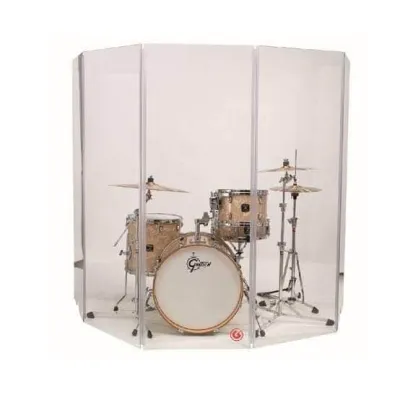
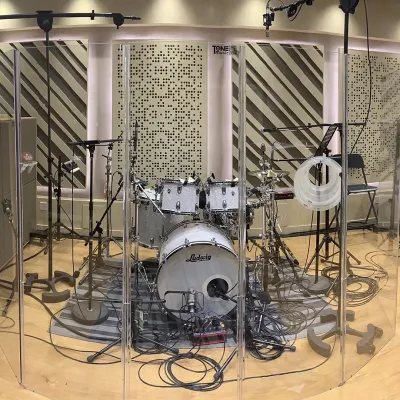

Prices are valid at publication and may change. Please refer to the product page for the latest price.
Observable signals will quickly let you know if your current volume level is a problem. Pay attention to immediate feedback, such as direct complaints from family members, or perform a simple test by having someone else strike the drums while you stand outside the closed practice room door. If you can clearly hear the distinct snap of the snare or feel the floorboards vibrating under your feet in adjacent rooms, your acoustic setup requires intervention. In tropical climates where homes often feature open ventilation, slatted windows, or lightweight concrete blocks, sound escapes even more freely into the surrounding neighborhood.
Your personal practice habits and learning goals also play a major role in this assessment. If you can only practice during late evening hours after work or school, your tolerance for noise in the household will be virtually zero. Conversely, if you have a dedicated outbuilding or practice during mid-day hours when neighbors are away, you may have more flexibility. Additionally, as a beginner, you need to balance the necessity of quiet practice with the developmental need to play at full acoustic volume occasionally, which is crucial for learning proper stick dynamics, accent patterns, and rebound control.
What a Drum Shield Can and Cannot Do
A common misconception among beginners is that surrounding a drum kit with a clear acrylic drum shield will completely soundproof the room. In reality, a drum shield is designed primarily to redirect and contain high-frequency direct sound, such as the bright attack of cymbals and the sharp crack of a snare drum. In a live performance or church setting, these shields prevent high frequencies from bleeding directly into vocal microphones on stage, but they do not stop sound from escaping an uninsulated residential room.

The physical limitations of a standard drum shield become apparent when dealing with low-frequency energy. The deep, powerful thump of a kick drum and the low resonance of floor toms produce long sound waves that easily pass through acrylic panels and travel structurally through the floor. Without a fully enclosed, acoustically treated ceiling and specialized bass traps, these low frequencies will continue to vibrate through your home’s structure, meaning a shield alone will not prevent your family or downstairs neighbors from feeling the physical impact of your bass drum practice.
Furthermore, installing a drum shield requires a substantial amount of physical space and creates specific environmental challenges. A typical multi-panel acrylic shield has a large footprint that can easily crowd a standard bedroom or spare room, leaving little space for other furniture or movement. Because these panels block natural airflow, the area inside the enclosure can quickly become hot and humid, especially in tropical regions. If you choose to use a shield, you must also plan for adequate ventilation, such as a positioned fan that does not introduce excessive noise, and ensure you have sufficient lighting to read sheet music or see your kit clearly.
Evaluating Alternatives: Mutes, Pads, and Electronic Kits
For most beginners practicing at home, a drum shield is not the only—or even the most practical—way to manage volume. One of the most accessible alternatives is a set of rubber or foam drum mute pads that lay directly on top of your acoustic drumheads and cymbals. These pads are highly effective at dampening the physical vibration of the drumhead, drastically reducing the volume to a level that rarely penetrates closed doors. However, the trade-off is a significant alteration in stick rebound and a near-total loss of the kit’s natural acoustic tone, which can make practicing feel less engaging.
If you want to preserve a more realistic playing feel without the massive footprint of a shield, low-volume cymbals and mesh drumheads are an excellent middle ground. Mesh heads replace your standard acoustic drumheads entirely, offering a natural rebound while producing only a whisper-quiet acoustic click. When paired with perforated low-volume metal cymbals, this setup reduces the overall volume of your kit by a massive margin while still allowing you to practice realistic physical dynamics. This approach transforms your acoustic kit into a quiet practice tool without requiring any extra floor space or heavy physical barriers.
Another major pathway to consider is transitioning to an entry-level electronic drum kit for your home practice sessions. Electronic kits allow you to practice silently using headphones, completely eliminating airborne noise issues while giving you access to a wide variety of drum sounds and built-in training tools. While the initial investment in ₱ for a reliable electronic kit can be comparable to or even less than a high-quality acrylic drum shield setup, you must still consider structural vibration. The physical impact of your foot hitting the kick pedal can still send vibrations through the floor, often requiring a simple DIY tennis ball riser or a heavy vibration-absorbing mat to keep downstairs neighbors happy.
Final Decision Checklist: Is a Drum Shield Right for You?
To help you decide on the best path forward for your home drum setup, use the following condition-based framework to evaluate your options:
Choose a drum shield if:
- You have a large, dedicated practice room with high ceilings and plenty of floor space to spare.
- Your primary noise issue is high-frequency cymbal and snare bleed irritating people in the same house, rather than low-frequency vibrations traveling to neighboring properties.
- You absolutely must practice on a fully tensioned, standard acoustic kit to prepare for live performances or exams, and you have the budget to invest in both the shield and complementary acoustic treatment.
Skip the drum shield and look at alternatives if:
- You live in an apartment, condominium, or townhouse with shared walls and strict noise regulations where low-frequency kick drum vibration will cause immediate issues.
- Your practice space is a standard-sized bedroom or a shared family area where a large physical enclosure is impractical.
- You need a highly portable or temporary solution that can be easily packed away when guests visit or when you need to reclaim your living space.
If you decide that a drum shield is the right path, your immediate next steps should be to measure your practice area carefully, ensuring you have at least several feet of clearance around the entire perimeter of the kit for assembly and airflow. Consult with other members of your household about the visual and physical impact of a large acrylic barrier in the home. Finally, always check the manufacturer’s detailed specifications for panel height, total weight, and expansion options to ensure the product matches your specific kit configuration before making your purchase.
Frequently Asked Questions (FAQ)
Do drum shields completely soundproof an acoustic drum kit?
No, drum shields do not completely soundproof a drum kit. They are designed to redirect direct, high-frequency sound waves upward and backward, which helps control volume levels in a specific direction but does not stop sound from escaping an untreated room. Low-frequency vibrations from the bass drum will still travel through the floor and walls, meaning a shield alone cannot make an acoustic kit silent to your neighbors.
Can I build a DIY drum shield instead of buying one?
Yes, you can construct a homemade drum shield using clear acrylic panels or heavy-duty acoustic blankets hung from a custom frame. However, you must ensure the structure is completely stable so it does not tip over during energetic practice sessions. Additionally, DIY enclosures must be designed with adequate ventilation and airflow to prevent the interior from becoming dangerously hot and stuffy during long practice sessions in warm climates.
Community discussion
Share your experience or ask a question. Comments are reviewed before publication.