
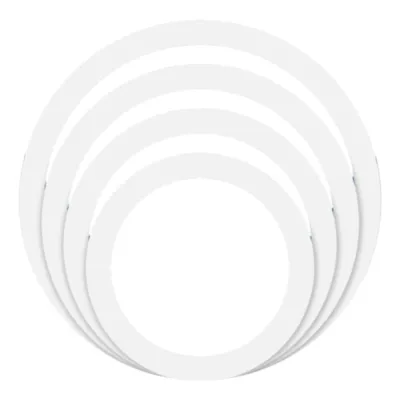
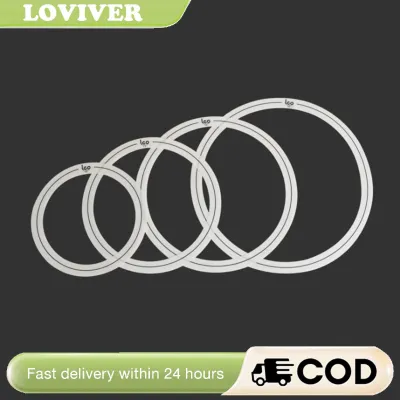
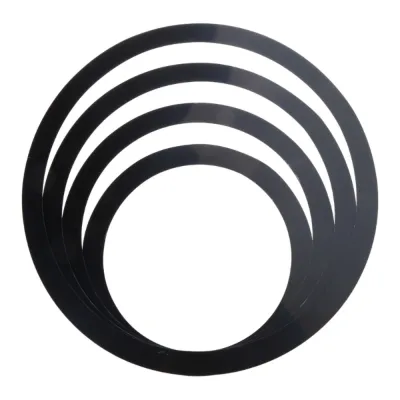
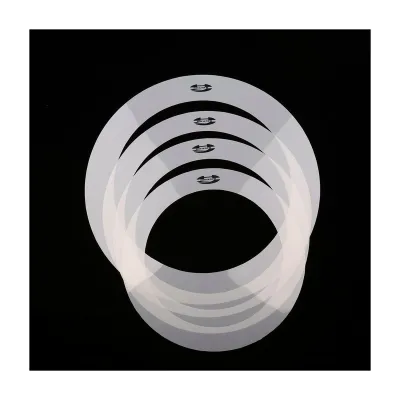
If you have ever struck your snare drum or toms and been met with a harsh, lingering metallic ring, you have likely wondered how to clean up your sound. A drum ring—a thin, flat ring of plastic film that rests on the outer edge of a drumhead—is one of the most popular and affordable accessories used to address this issue. However, before purchasing a set, it is important to understand exactly what these tools do and whether they are the right solution for your specific playing environment.
Many beginners mistake drum rings for silencers, hoping they will make an acoustic kit quiet enough for late-night apartment practice. In reality, a drum ring is designed to control tone and shorten decay rather than eliminate the physical volume of a stick strike. Deciding whether to buy one depends on your room’s acoustics, your recording goals, and your personal preferences for how a drum should resonate.
How a Drum Ring Changes Your Acoustic Sound
To understand if you need a drum ring, you must first understand how a drumhead vibrates when struck. When your drumstick hits the center of the head, vibration waves travel outward toward the metal or wood hoop. The outer perimeter of the drumhead is responsible for producing high-frequency overtones, which often manifest as a high-pitched, metallic ring that lingers after the initial impact.
Products mentioned in this guide

Prices are valid at publication and may change. Please refer to the product page for the latest price.
A drum ring sits loosely on the outer edge of the batter (top) head, applying light, even pressure. This physical contact dampens the rapid vibrations at the edge of the head, absorbing the high-frequency overtones and significantly shortening the sustain, or decay, of the drum. Instead of a long, ringing tone, you get a focused, punchy, and deeper sound with a fast decay.
It is critical to distinguish between tone control and volume reduction. A drum ring does not reduce the initial, physical impact noise of your drumstick hitting the plastic film. The sharp crack of your snare drum will still be loud, but the ring will prevent that sound from echoing and ringing out.
This acoustic change behaves differently depending on the drum. On a snare drum, a ring dries out the sound, delivering a fat, classic crack that is highly desirable in rock, pop, and funk music. On toms, it eliminates muddy, overlapping frequencies, allowing the fundamental pitch of each drum to sound clear and distinct without ringing into the next strike.
Signs Your Drum Kit Needs Dampening
Evaluating your current sound profile and physical surroundings is the first step in deciding whether to buy a drum ring. You can self-diagnose your kit’s needs by looking for specific acoustic and environmental cues.

Uncontrollable Overtones and "Boomy" Tones
In the Philippines, many home practice spaces feature hard, reflective surfaces such as concrete walls, tiled floors, and uncurtained glass windows. These materials do not absorb sound; instead, they bounce high frequencies back into the room, amplifying any natural ring your drums produce.
If you strike your snare or floor tom and hear a high-pitched, metallic hum that lasts for several seconds, your kit is suffering from excessive overtones. This boomy, uncontrolled resonance can make your drum kit sound messy and unarticulated, especially during fast fills.
When every strike bleeds into the next, your playing loses definition. A drum ring helps clean up this sonic clutter by stopping the head from vibrating endlessly, allowing your rhythm to sound crisp and defined.
Volume Issues in Shared Living Spaces
Living in a close-knit neighborhood, subdivision, or condominium means your drum practice is highly audible to neighbors and family members. While a drum ring does not silence the drum, reducing the sustain actually lowers the perceived volume of your kit.
Long, boomy low-end frequencies from toms travel easily through concrete walls and floors. By shortening this decay, you prevent the sound waves from building up and bleeding into adjacent rooms.
However, manage your expectations carefully. The physical impact noise—the sharp “thwack” of nylon or wood tips hitting the drumhead—remains highly audible. Your neighbors will still hear the physical thuds of your practice sessions, even if the musical ring is completely gone.
Muddy Audio in Recordings and Mic'd Setups
If you are starting to record your drums at home using microphones or playing through a small PA system, you will quickly notice that microphones behave differently than human ears. Microphones, especially close-mic setups on snare drums and toms, tend to exaggerate natural overtones.
What sounds like a pleasant, lively ring in a room can sound like a chaotic, muddy mess through headphones or a recording interface. To get a clean, modern drum mix, audio engineers prefer a dry, focused source signal.
Using a drum ring gives you that controlled, pre-equalized sound directly at the microphone capsule, saving you from tedious digital editing or heavy EQ adjustments later. If your goal is to produce clean home demo recordings, a drum ring is an invaluable tool.
When to Skip the Drum Ring and Let Your Drums Resonate
Despite their popularity, drum rings are not a mandatory upgrade for every drummer, and over-dampening is a common mistake for beginners. Certain musical genres rely heavily on natural resonance. In jazz, classical percussion, and some acoustic or classic rock settings, a wide-open, singing drum tone is highly desirable. If you choke your drums with rings in these contexts, they will sound lifeless and struggle to cut through the acoustic mix of acoustic guitars, pianos, or brass instruments.
Often, beginners mistake poor tuning or worn-out gear for an inherent need for dampening. If your drumheads are old, stretched, or heavily dented, they will produce unpleasant, discordant overtones that no drum ring can truly fix. Before spending money on accessories, inspect your drumheads. If they are in good condition, spend time learning the basics of drum tuning. Balancing the tension of your top and bottom heads can naturally eliminate harsh ringing while preserving the drum’s natural volume and warmth.
Over-dampening can also choke a drum, stripping away its dynamic range. As a beginner, learning how to control your volume and tone through your physical stick stroke (dynamic control) is a critical skill. Relying too heavily on dampening tools can mask poor technique and hinder your progress.
Drum Rings vs. Other Dampening Solutions
A drum ring is just one of several tools available to control your drum sound. Understanding how it compares to other options helps you choose the right tool for your specific problem.
- Drum Rings vs. Dampening Gels and Tape: Drum rings provide a broad, uniform dampening effect across the entire outer edge of the drumhead. This results in a very consistent, dry sound. In contrast, sticky dampening gels or gaffer tape are localized solutions. You place them on specific spots of the drumhead to target precise overtones. Gels and tape offer more customizable dampening levels, but they can leave sticky residue, attract dust, and lose their stickiness in humid tropical climates.
- Drum Rings vs. Internal Mufflers: Some vintage or high-end snare drums come with built-in internal felt mufflers controlled by an external dial. While convenient, internal mufflers press upward against the bottom of the batter head, which can slightly alter the head's tension and stick rebound. Drum rings sit loosely on top, preserving the natural rebound and feel of the head. Furthermore, rings can be thrown on or removed in a second mid-song, offering unmatched convenience.
- Tone Control vs. Extreme Volume Reduction: It is critical to differentiate tone-control accessories from actual silencing tools. Drum rings and gels are designed to shape tone, not silence the instrument. If your primary goal is quiet practice to avoid noise complaints, you should look into extreme volume-reduction tools. These include mesh drumheads, low-volume cymbals (perforated metal cymbals), or thick rubber silent strike pads that cover the entire drumhead.
How to Test Your Kit Before Buying a Dampening Ring
You do not need to buy a drum ring immediately to see if you like the sound of a dampened kit. You can easily simulate the effect with common household items.
To test your snare drum, try the classic “wallet trick.” Simply place your wallet near the top edge of your snare drumhead and strike the center. The weight of the wallet will instantly absorb the overtones, mimicking a heavy dampening ring.
For your toms, you can use a small microfiber cloth, a piece of folded paper, or a strip of painter’s tape. Lay the cloth or paper lightly on the edge of the drumhead and strike the drum. Listen closely to how the sustain shortens and how the deep, fundamental pitch of the drum becomes more prominent.
Before applying any adhesive tape or heavy objects, check your drumhead manufacturer’s care guidelines. While most standard coated or clear heads can handle temporary tape or resting objects, some specialized thin films or textured coatings can be damaged or peeled if strong adhesives are removed carelessly. If you decide to purchase a drum ring after testing, they are highly affordable accessories, typically costing around ₱300 to ₱800 depending on the brand and package size in local music stores or online marketplaces.
Frequently Asked Questions (FAQ)
Can I use a drum ring on cymbals?
No, standard plastic drum rings are specifically shaped, sized, and weighted to lie flat on the circular rims of drumheads. They will not stay in place on the sloped, vibrating surface of a cymbal. If you need to dampen your cymbals, you should use dedicated rubber cymbal mutes, specialized cymbal tape, or invest in low-volume perforated cymbals designed for quiet practice.
Will a drum ring completely silence my drum kit for apartment practice?
No, a drum ring will not make your acoustic drum kit quiet enough for apartment living. It only controls the ringing overtones and shortens the sustain, but the sharp physical impact of your drumsticks on the plastic head will still create a loud, high-decibel cracking sound. For true apartment-friendly practice, you should consider installing mesh drumheads, using thick rubber silent pads, or switching to an electronic drum kit.
Community discussion
Share your experience or ask a question. Comments are reviewed before publication.