
Quick Answer: Digital Piano or Electronic Keyboard?
Choosing between a digital piano and an electronic keyboard depends entirely on your personal musical goals, available space, and budget. A digital piano is designed to replicate the authentic touch, weight, and acoustic sound of a traditional piano, making it the ideal choice for classical training and serious piano study. In contrast, an electronic keyboard focuses on portability, a vast library of diverse instrument sounds, and automatic accompaniment features, which suits casual players, songwriters, and mobile musicians.
During your search, you will likely encounter the term “electric piano” used interchangeably with both categories on local ecommerce platforms. Historically, an electric piano refers to vintage electromechanical instruments that produce sound via physical tines and pickups, but modern retail listings often use the term as a broad keyword. If your primary goal is to learn traditional piano techniques, prioritize a dedicated digital piano with weighted keys; if you want to experiment with different genres, backing tracks, and portable setups, an electronic keyboard is your best fit.
Core Differences: Key Action, Sound Engine, and Design
The physical mechanism beneath the keys is the most critical difference between these two instruments. Digital pianos utilize weighted or graded hammer-action keybeds that simulate the mechanical resistance of an acoustic piano’s hammers. Graded action means the keys in the lower register feel heavier to the touch than those in the higher register, allowing players to develop the finger strength and muscle memory required for traditional piano performances. Electronic keyboards typically feature unweighted, semi-weighted, or synth-action keys that rely on simple springs, offering very little physical resistance and making them feel much lighter and faster to play.
Products mentioned in this guide
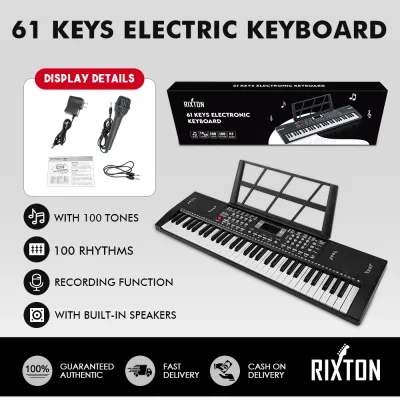
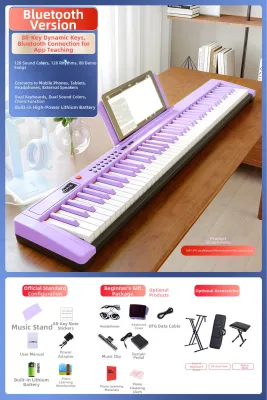
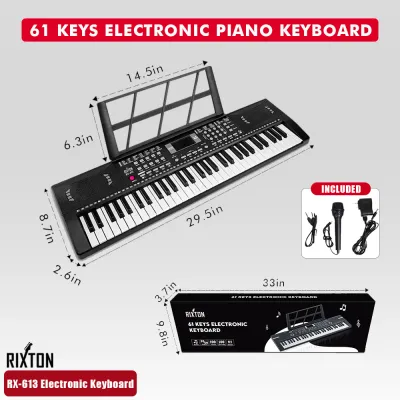
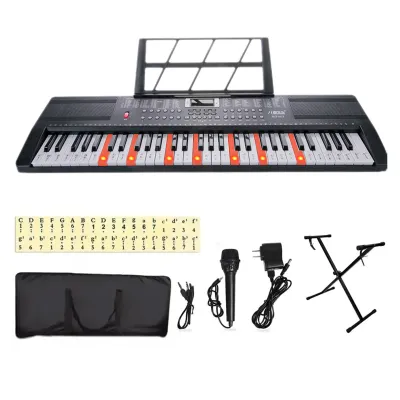
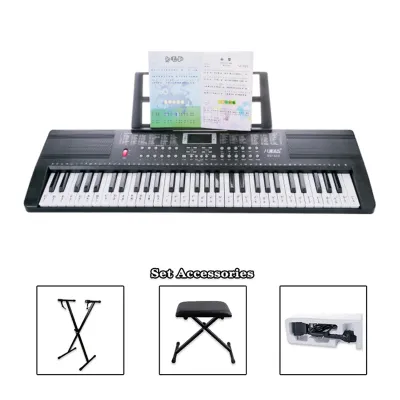
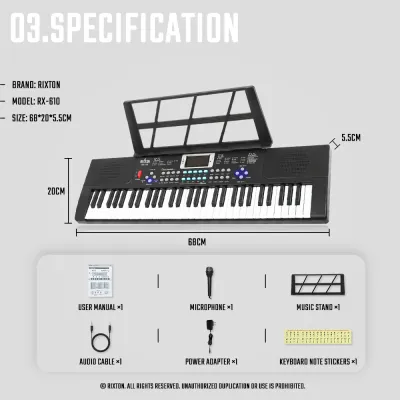
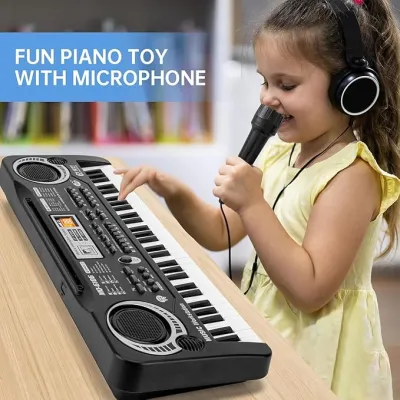
Prices are valid at publication and may change. Please refer to the product page for the latest price.

Sound generation technologies also differ significantly between the two categories. Digital pianos employ high-resolution acoustic piano sampling and advanced physical modeling to capture the complex tonal nuances of a concert grand piano, including string resonance, damper noise, and key-off release. Their sound engines are optimized to deliver a highly expressive, dynamic range based on how hard or soft you strike the keys. Electronic keyboards, on the other hand, prioritize sound variety over acoustic realism, utilizing multi-instrument synthesis to pack hundreds of different tones—ranging from synthesizers and brass to drums and sound effects—into a single instrument.
Form factor and physical design dictate how and where you can use each instrument. Digital pianos are commonly built as console-style furniture pieces with integrated wooden stands and three-pedal lyres, or as heavy, 88-key portable slabs designed for stage use. These instruments require a dedicated space in your home and are not easily moved. Electronic keyboards are designed with portability as a priority, usually featuring compact 61-key or 76-key layouts, lightweight plastic chassis, and the ability to run on batteries, allowing you to pack them into a gig bag for easy transport.
The Decision Framework: Which Instrument Should You Choose?
To determine which instrument aligns with your lifestyle, evaluate your primary musical intentions and physical constraints. A structured approach prevents buyer’s remorse and ensures your investment supports your long-term progress.
Choose a digital piano if:
- Your goal is classical mastery: Developing proper dynamics, articulation, and finger independence requires the physical feedback of a weighted keybed.
- You want a permanent home instrument: A console-style digital piano serves as an elegant piece of furniture and provides a stable, consistent practice station.
- You prioritize acoustic realism: If you primarily want to play solo piano music and demand the rich, decaying resonance of a real grand piano, a digital piano is unmatched.
Choose an electronic keyboard if:
- You need maximum portability: If you live in a compact space, move frequently, or need to carry your instrument to rehearsals and gigs, a lightweight keyboard is essential.
- You want to explore music production: The wide array of synth leads, pads, drum kits, and built-in sequencers makes keyboards excellent tools for arranging and composing modern music.
- You enjoy playing with backing tracks: Built-in auto-accompaniment styles allow you to play along with a virtual band in real time, which is ideal for solo entertainers and casual hobbyists.
Neither may fit if:
- You only need a computer controller: If you plan to control software instruments on a computer and do not need any built-in sounds, a dedicated MIDI controller keyboard is a more cost-effective choice.
- You seek true vintage analog tones: If you require the specific, authentic analog warmth of a 1970s electromechanical instrument, you will need a specialized vintage modeling keyboard or a restored original electric piano.
Verify first if:
- Space and weight are limiting factors: Measure your room footprint and verify if your floor or portable stand can support the weight of an 88-key digital piano.
- Specific connectivity is required: Ensure the instrument has the correct output jacks to interface with your existing home audio system, computer, or external amplifiers.
Budgeting and Value: Setting Expectations in the Philippines
Navigating the local market requires understanding how features scale across different price tiers in ₱. Entry-level electronic keyboards are highly accessible, offering basic keys and simple sound engines suitable for children or casual hobbyists. As you move into the mid-range tier, you will find touch-sensitive keys and improved sound quality. Premium electronic keyboards, often classified as arranger workstations, command a higher ₱ investment due to their advanced synthesis engines, multi-track recording capabilities, and professional-grade vocal processing inputs.
Digital pianos occupy a higher price bracket due to the complexity of their weighted keybeds and cabinet construction. Entry-level digital pianos focus on providing a solid 88-key weighted action with a few high-quality piano sounds, making them excellent value for students. Mid-range and premium digital pianos introduce wooden keys, synthetic ivory keytops, multi-channel speaker systems, and sophisticated cabinet designs that mimic upright or grand pianos, requiring a significant financial commitment.
When planning your budget, remember to account for essential accessories that may not be included in the box. A basic keyboard package often lacks a sturdy stand, a comfortable bench, or a high-quality sustain pedal. Investing in a robust double-X or Z-style stand is crucial for safety, especially in households with children or pets. Additionally, living in a tropical climate like the Philippines means high humidity can affect electronic components and key sensors over time; budgeting for a fitted dust cover and placing silica gel packets near the keybed can help protect your investment.
To evaluate long-term value, prioritize keybed quality and polyphony limits over the sheer number of built-in sounds. A digital piano with only 10 highly detailed, expressive tones and a durable, graded hammer-action keybed will offer far greater educational and artistic value over five years than a cheap keyboard boasting 600 low-quality sounds and spring-loaded keys that wear out quickly.
Pre-Purchase Checklist: Verifying Specs and Compatibility
Before finalizing your purchase on any local online marketplace or at a physical music store, verify these critical technical specifications to ensure the instrument meets your practical needs.
- Polyphony Limits: Check the maximum polyphony spec, which dictates how many individual notes can sound simultaneously. For basic learning, 64-note polyphony is acceptable, but 128-note or 256-note polyphony is highly recommended for complex classical pieces where the sustain pedal is held down, preventing notes from cutting off prematurely.
- Connectivity Options: Ensure the instrument features a USB Type-B port (often labeled USB-to-Host) for MIDI connectivity to computers, tablets, or learning apps. If you plan to practice silently, verify the presence of a 1/4-inch or 3.5mm headphone jack. For live performances, look for dedicated Left/Right auxiliary outputs rather than relying solely on a headphone output.
- Pedal Inputs: Confirm whether the keyboard accepts a standard 1/4-inch sustain pedal. Some entry-level models use proprietary connectors or lack pedal inputs entirely, which will severely limit your ability to play expressive piano music.
- Power Requirements: Verify that the included power adapter is compatible with the local 220V/60Hz electrical grid. Some imported models may package 110V adapters, which require a step-down transformer to prevent damaging the internal circuitry.
- Warranty and Support: Confirm the warranty terms provided by the local distributor. Ensure there is an authorized service center accessible to you, as shipping a heavy digital piano for repairs can be incredibly costly.
Frequently Asked Questions (FAQ)
Can I learn classical piano on an electronic keyboard?
You can use an electronic keyboard to learn basic note reading, rhythm, and simple melodies during your first few months of study. However, because electronic keyboards lack weighted keys, you cannot develop the finger strength, hand endurance, or subtle dynamic control required for classical piano repertoire. If you continue practicing on unweighted keys, you will find it very difficult to transition to an acoustic piano, as the keys will feel incredibly heavy and unresponsive to your untrained fingers. For serious classical study, upgrading to a weighted digital piano as soon as possible is highly recommended.
Do I need an amplifier for a digital piano or keyboard?
Most home digital pianos and portable electronic keyboards feature built-in speakers that provide sufficient volume for personal practice in a living room or bedroom. You do not need an external amplifier unless you plan to perform in larger venues, play alongside loud acoustic instruments like drums, or connect to a church sound system. For quiet home practice, especially in shared living spaces or apartments, investing in a good pair of closed-back studio headphones is highly recommended, as they block out ambient noise and deliver a more detailed stereo image of the instrument’s sound engine.
What is the difference between a digital piano and an electric piano?
A digital piano is a modern electronic instrument designed to digitally replicate the sound and feel of an acoustic grand piano using recorded audio samples or physical modeling. An electric piano refers to a specific category of vintage electromechanical instruments popular in the 1960s and 1970s, such as the Fender Rhodes or Wurlitzer, which produce sound physically using hammers striking metal tines or reeds, amplified through electromagnetic pickups. While modern digital pianos often include digital recreations of these classic electric piano sounds, they are fundamentally different instrument concepts.
Community discussion
Share your experience or ask a question. Comments are reviewed before publication.