
Choosing the right digital platform for reading the Bible depends on balancing access to accurate Filipino and Tagalog translations, reliable offline reading, and useful study tools. Because app features, translation licenses, and subscription models frequently change, this guide provides a structured framework to evaluate and compare dedicated Bible apps, general eBook readers, and web portals. Use these criteria to determine which platform type best supports your personal devotion, academic study, or daily reading habits in the Philippines.
To make an informed choice, you must evaluate how different digital formats handle complex biblical layouts, cross-references, and personal annotations. Dedicated Bible applications, general eBook readers, and web-based portals each offer distinct advantages and trade-offs. By understanding these differences, you can select a setup that fits your reading habits, device preferences, and study goals.
Understanding Digital Bible Platform Types
Dedicated Bible applications are built specifically to handle the unique structure of scripture, which is organized by books, chapters, and verses rather than standard book pages. These platforms excel at rendering parallel translations side-by-side, allowing you to compare a Tagalog translation directly with an English version. They also feature specialized navigation menus that let you jump to a specific verse in seconds, a task that can be cumbersome in standard digital book formats.
Products mentioned in this guide

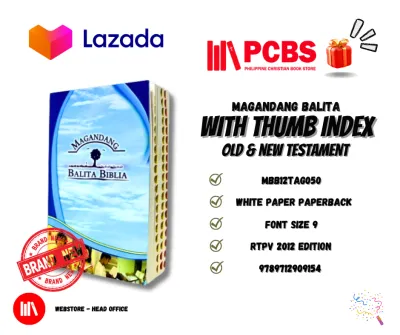


Prices are valid at publication and may change. Please refer to the product page for the latest price.
In contrast, general eBook readers treat the Bible like any other digital book, displaying the text in a continuous flow. While these readers are excellent for long-form reading and are highly compatible with e-ink screens that reduce eye strain, they often lack verse-specific search functions and interactive study tools. Navigating to a precise chapter and verse in a standard EPUB or PDF file can require extensive scrolling or relying on a complex table of contents.
Web-based portals offer another alternative, providing access to vast libraries of translations and commentaries without occupying storage space on your device. However, these portals are highly dependent on an active internet connection, making them less practical for daily use in areas with spotty mobile coverage. They also tend to offer fewer personalization features, as your highlights and notes may not save reliably unless you remain logged into a persistent online account.
Verifying Filipino and Tagalog Translation Support
When selecting a platform, verifying the availability of specific local translations is a critical first step. The classic Tagalog translation, “Ang Biblia”, is widely available across many digital platforms due to its public domain status, but different editions exist, such as the 1905 version and subsequent revisions. To ensure you are reading the correct version, you should navigate to the platform’s translation library, check the information or “about” section of the text, and verify the publication or revision year.

Modern Tagalog and Filipino translations, which use contemporary language patterns to make the text more accessible, are often subject to strict copyright protections. Because of these licensing agreements, certain modern versions may only be available on specific authorized platforms or may require a one-time purchase or subscription to unlock. Before committing to a platform, search its internal store or library catalog specifically for these modern editions to confirm they are accessible in your region.
Beyond the primary biblical text, you should also check for supplementary local-language resources that can enrich your reading experience. Some platforms offer audio recordings of Tagalog translations, which are highly beneficial for listening during a daily commute or for readers who prefer auditory learning. Additionally, look for localized reading plans, daily devotionals, or study guides written in Tagalog to help structure your daily reading habits.
Evaluating Offline Access and Device Compatibility
In the Philippines, where internet connectivity can be inconsistent due to weather conditions or local network congestion, robust offline access is a necessity. A reliable digital Bible platform must allow you to download entire translation files directly to your device’s local storage. When evaluating an app, check whether the offline mode includes access to search functions, cross-references, and dictionaries, or if it restricts you to basic text reading.
Device compatibility and cross-device syncing are equally important if you switch between reading on a smartphone during your commute and using a larger tablet at home. Verify that the platform automatically syncs your highlights, bookmarks, and personal study notes across all your registered devices when an internet connection is active. This ensures that your insights and progress are never lost when switching screens.
The physical size and display technology of your device should also influence your platform choice. Mobile phones offer portability and quick access, but their smaller screens can make side-by-side translation comparison difficult. Tablets and larger mobile screens provide a more comfortable layout for deep study, allowing you to view the biblical text alongside commentaries or personal notes without feeling cramped.
Comparing Study Tools and Reading Customization
For readers who want to go beyond casual reading, the depth of available study tools is a major deciding factor. High-quality platforms offer integrated cross-references that allow you to tap on a verse and instantly see related passages throughout the Old and New Testaments. Some advanced platforms also include concordances and dictionaries, which help you explore the historical context and original meanings of specific words.
Personalization features allow you to interact with the text in a way that supports your learning style. Compare how easily different platforms let you highlight verses in multiple colors, organize bookmarks into custom categories, and write personal notes. If you plan to use your study notes for teaching, group discussions, or writing, verify that the platform allows you to export your annotations easily to external documents or cloud storage.
Visual customization is essential for reading comfort, especially during extended study sessions or night-time reading. Look for platforms that offer adjustable font sizes, a variety of typeface options, and a dedicated dark mode or sepia background to reduce eye strain. Text-to-speech functionality is another valuable feature, allowing the platform to read the text aloud to you when you are multitasking or resting your eyes.
Decision Framework: Matching Platforms to Your Study Needs
To choose the right digital Bible setup, you must align the platform’s capabilities with your specific reading habits and study requirements. If your primary goal is deep, verse-by-verse study, parallel translation comparison, and extensive note-taking, a dedicated Bible application is generally the most effective choice. These apps are designed specifically for scriptural analysis and offer the most robust offline tools and navigation features.
If you prefer a single, unified digital library where you can keep all your books, devotionals, and study materials in one place, a general eBook reader may be more suitable. This option is particularly appealing if you use an e-ink device, which provides a paper-like reading experience that is gentle on the eyes. However, you must be prepared to accept more basic navigation and a lack of specialized verse-linking tools.
For those who require specific, copyrighted modern Tagalog translations, your choice will be guided primarily by licensing availability. You must verify which platforms have secured the rights to host these modern versions before making a decision. If a platform does not officially support the specific translation you need for your church community or personal study, you may need to look at alternative digital options.
Finally, if your work involves advanced academic research, original-language analysis in Greek and Hebrew, and complex theological formatting, standard mobile apps and eBook readers may fall short. In these cases, specialized desktop software designed for academic biblical studies is often necessary. These advanced programs provide the processing power and specialized databases required for deep scholarly work, though they are less portable than mobile solutions.
Frequently Asked Questions (FAQ)
Can I import my own Tagalog Bible EPUB or PDF into dedicated Bible apps?
Most dedicated Bible applications do not support the import of external EPUB or PDF files for integration into their core reading systems. These apps rely on highly structured, proprietary databases to enable verse-by-verse navigation, parallel reading, and cross-referencing. If you import a standard document, the app cannot map the text to its internal verse structure, rendering its specialized study tools unusable. If you have personal digital files of Tagalog translations, you will generally need to read them using a general eBook reader or document viewer instead.
Do free Bible apps offer the same study tools as paid subscriptions?
Free digital Bible platforms typically provide excellent value, offering access to a wide range of public domain translations, basic highlighting, and standard offline reading capabilities. However, premium or paid subscription tiers often unlock advanced features that are costly for developers to maintain or license. These premium tools may include modern copyrighted translations, advanced scholarly commentaries, comprehensive theological dictionaries, and high-quality audio Bible recordings. For daily devotional reading, a free tier is usually sufficient, while academic researchers and group leaders may benefit from paid features.
Community discussion
Share your experience or ask a question. Comments are reviewed before publication.