
Quick Answer: The Best Starting Point for Beginners
An overdrive pedal is generally the most versatile and practical first guitar effects pedal for a beginner. This type of pedal shapes your core tone, adds dynamic grit, and mimics the natural warmth of a pushed tube amplifier without requiring extreme volume levels. It serves as an excellent foundation for learning how to control your guitar’s dynamics and tone.
If you want to explore a wide variety of sounds on a budget, a multi-effects unit is a highly practical alternative. These digital processors allow you to experiment with dozens of different effects simultaneously, helping you identify what you like before investing in individual stompboxes. Ultimately, your optimal choice depends on your specific musical goals, favorite genres, and the features of your existing amplifier.
Decoding the 5 Essential Pedal Categories
Understanding how different effects alter your guitar’s signal is crucial before making a purchase. The signal chain—the path your guitar’s electrical signal takes from the instrument, through the pedals, and into the amplifier—fundamentally shapes your final sound. Focusing on these core categories is far more valuable than memorizing specific brand models or chasing expensive collector gear.
Products mentioned in this guide
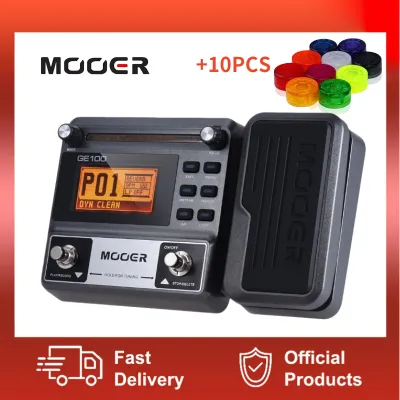
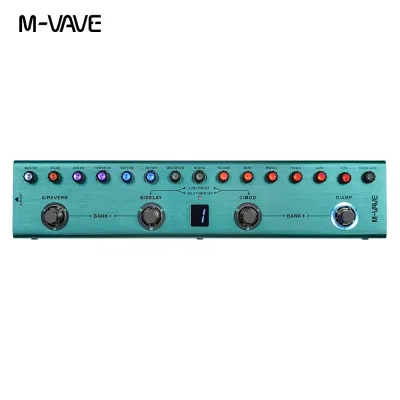
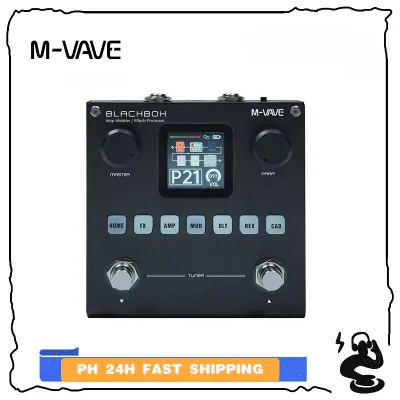
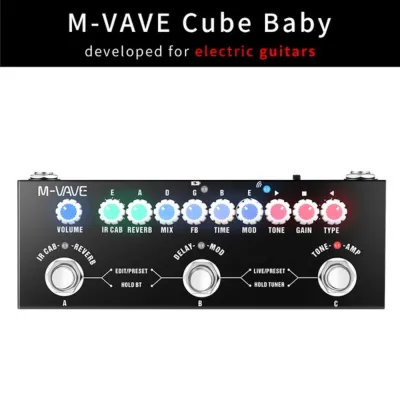
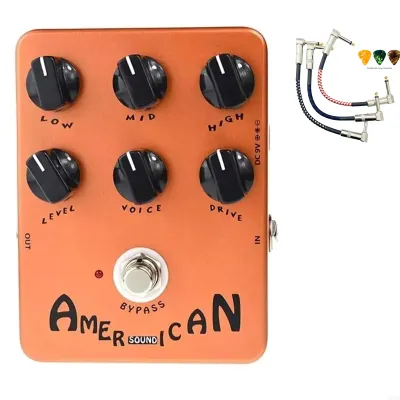
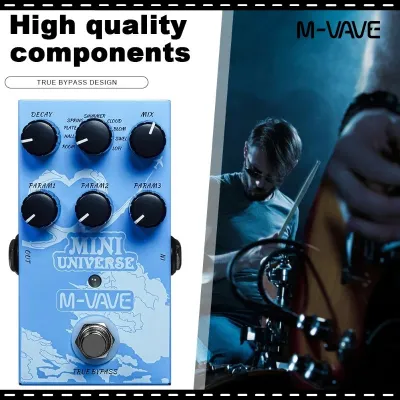
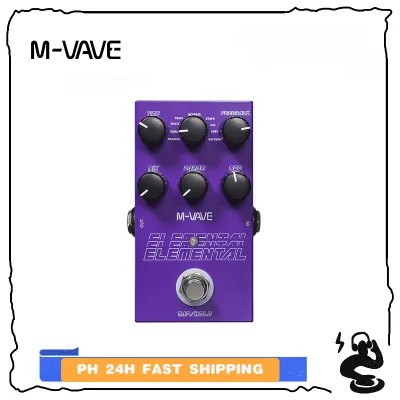
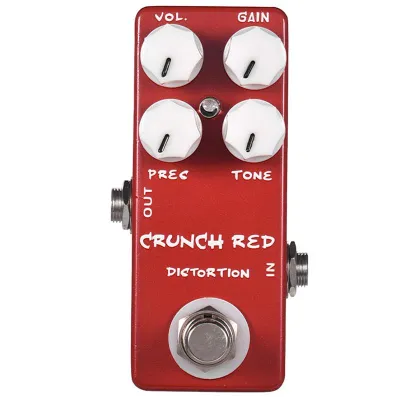
Prices are valid at publication and may change. Please refer to the product page for the latest price.

Overdrive vs. Distortion: Grit and Gain
Overdrive pedals simulate the natural breakup of a tube amplifier pushed to its limit. They offer a highly dynamic response, meaning the grit increases when you pluck the strings harder and cleans up when you play softly. This makes overdrive incredibly expressive and responsive to your playing touch.
Distortion pedals, by contrast, use hard-clipping circuitry to produce heavy, saturated gain. This creates a consistent, aggressive sustain regardless of how hard or soft you pick. The signal is heavily compressed, which is ideal for tight, rhythmic chugging and soaring lead solos.
When choosing between the two, consider your favorite music genres. Overdrive is the traditional choice for blues, classic rock, indie, and general tone shaping. Distortion is better suited for hard rock, punk, and heavy metal where high-gain saturation is a constant requirement.
Time-Based Effects: Delay and Reverb
Reverb simulates physical acoustic spaces, such as rooms, halls, or metallic plates. It adds a natural sense of depth and space to your guitar signal, preventing your dry tone from sounding flat or sterile when practicing in a small room.
Delay creates distinct, repeating echoes of your notes at set intervals. You can use it to build rhythmic patterns, create classic slapback echoes, or wash your sound in lush, atmospheric layers that fill out the sonic space behind your playing.
Before buying a dedicated reverb pedal, check your amplifier. Many beginner practice amps already feature built-in digital reverb. If yours does, you can comfortably delay purchasing a reverb pedal and allocate your budget toward an overdrive or delay instead.
Modulation: Adding Movement and Texture
Modulation effects include chorus, phaser, and flanger. These tools cyclically alter the pitch, phase, or volume of your guitar signal to introduce movement, swirl, or a watery thickness to your overall sound.
These are generally considered “sweetener” effects rather than foundational tone shapers. They work best when applied to an already solid base tone, adding character to specific song sections or solos rather than staying turned on continuously.
Beginners should typically prioritize gain or time-based pedals before investing in modulation. Establishing a strong core tone first ensures that when you do add modulation, the resulting sound remains clear and defined rather than muddy.
Matching the Pedal to Your Playing Style
To get the most value from your first purchase, align your pedal choice with the specific music genres and playing techniques you want to master.
- Blues and Classic Rock: Start with an overdrive pedal to achieve that warm, edge-of-breakup tone that responds to your picking dynamics.
- Hard Rock and Metal: Choose a distortion pedal to get the heavy, saturated riffs and long sustain necessary for aggressive playing styles.
- Indie and Alternative: A versatile delay pedal or a light overdrive offers the perfect balance for rhythmic textures and atmospheric lines.
- Modern Worship: A combination of delay and reverb is essential for creating ambient, swelling soundscapes and soft background textures.
Analyzing your favorite guitarists’ tone is an excellent way to guide your decision. Listen closely to the songs you want to learn: is the guitar sound gritty and aggressive, or is it spacious and echoing? Identifying the dominant effect in those tracks will point you directly to the right category.
Avoid buying highly niche or specific pedals, such as octavers, synth pedals, or harmonizers, as your first purchase. While these effects are highly entertaining to experiment with, they have limited everyday utility and can make basic practice routines unnecessarily complicated.
Practical Hardware Specs to Check Before Buying
Before finalizing your purchase, verify the physical and electrical specifications of the pedal to ensure it works safely with your existing gear.
Power requirements are the most critical safety check. Most pedals run on a standard 9V DC power supply, and some can also run on an internal 9V battery. Always check the pedal’s manual or casing for the correct polarity (usually center-negative) and current draw measured in milliamperes (mA). Connecting an incompatible adapter can permanently damage the internal circuitry.
Bypass switching determines how the pedal behaves when it is turned off. True Bypass completely bypasses the pedal’s internal circuitry, preserving your raw guitar tone. Buffered Bypass actively strengthens the signal to prevent high-frequency loss over long cable runs. Neither is universally superior, and a healthy mix of both is ideal as your collection grows.
Consider the physical footprint of the pedal. Standard-sized enclosures are durable and easy to stomp on, while mini pedals save valuable space on a small pedalboard. In tropical environments like the Philippines, high humidity and ambient dust can cause metallic jacks and internal potentiometers to oxidize over time. Choosing pedals with sturdy, enclosed jacks and keeping them in a dry gig bag when not in use can prevent scratchy noises and signal dropouts.
Frequently Asked Questions (FAQ)
Do I need a specific power supply for my first pedal?
A standard 9V battery or a basic, correctly polarized 9V DC power adapter is usually sufficient for a single pedal setup. However, you must verify the pedal’s specific power requirements before plugging it in. Check the user manual or the label near the power jack to confirm the required voltage, polarity (center-negative is the industry standard), and minimum current draw (mA). Using an incompatible power supply can ruin your new gear.
Should I buy a multi-effects unit instead of single pedals?
Multi-effects units are highly cost-effective for beginners because they pack dozens of different effects, amp simulators, and utility tools into a single chassis. This allows you to experiment with different sounds without spending a fortune on individual stompboxes. On the other hand, single pedals offer simpler, more focused tactile control with dedicated knobs for every parameter. They are also much easier to troubleshoot and integrate into a growing physical pedalboard over time.
Community discussion
Share your experience or ask a question. Comments are reviewed before publication.