
Deciding which version of the Cortis ‘Green’ album to buy comes down to balancing your budget, storage space, and desire for physical collectibles. Because physical music releases often feature multiple packaging styles and randomized inclusions, understanding what each format offers ensures you do not spend your money on items you might not value. By evaluating the differences in physical size, paper goods, and digital access, you can select the exact edition that fits your personal collecting style.
In the Philippines, collecting physical albums also requires considering practical factors like shipping costs, local customs fees, and even the tropical climate. High humidity can warp delicate paper inclusions over time, making the choice between a massive, heavy photo book and a compact digital platform version highly relevant to how you plan to store your collection. Taking a systematic approach to comparing these versions will help you maximize the value of your purchase.
Identifying the Official 'Green' Album Formats
Physical music releases, particularly in contemporary pop and K-Pop genres, are rarely limited to a single standard CD. Instead, labels typically roll out several distinct formats designed to appeal to different segments of the fanbase. The most common format is the standard physical album, which often comes in multiple design variations—frequently designated as Version A, Version B, or specific concept names. These standard versions are housed in substantial packaging, such as large boxes or thick sleeves, and are designed to serve as display pieces on your shelf.
Products mentioned in this guide
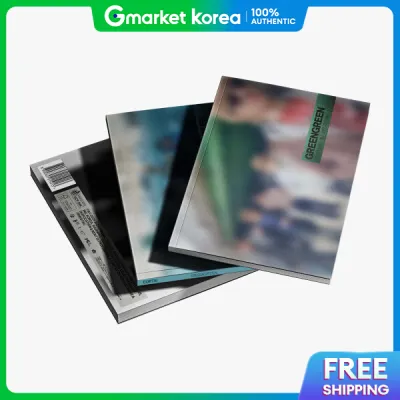
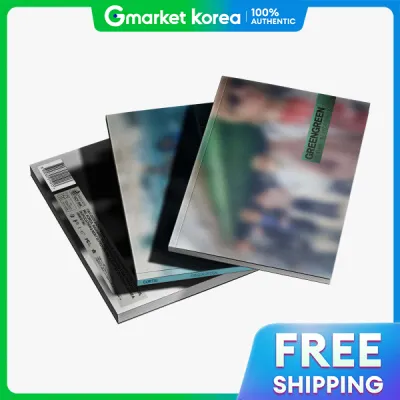





![CORTIS - The 2nd EP [ GREENGREEN ] CORTIS Ball ver. [Ready Stock]](https://img.lazcdn.com/g/ff/kf/S2d4cc5dd2e9a43e182e01bb0b8ef38f5n.jpg_400x400q80.jpg_.webp)
Prices are valid at publication and may change. Please refer to the product page for the latest price.
Alongside these standard editions, you will often find compact formats like jewel cases or digipaks. These versions utilize traditional, smaller plastic or cardboard cases that mirror classic CD releases. While they still contain the physical disc, they significantly scale down the accompanying visual materials to keep the package lightweight and affordable. They are ideal for fans who still want the physical media but have limited shelf space or a tighter budget.
In recent years, platform or digital albums—such as POCA, Kit, or QR versions—have emerged as a popular alternative to traditional CDs. These formats completely omit the physical disc, replacing it with a digital link, a QR code, or an NFC card that allows you to stream the music and view digital photo books via a smartphone application. Despite the lack of a CD, platform albums still include physical collectible cards, making them an attractive option for collectors who only care about the paper inclusions.
Before making any purchase, verify the official format names and release dates directly from the official label’s social media channels or website. Unofficial bundles, fan-made packages, and unauthorized reprints can easily confuse buyers on online marketplaces. Knowing the exact specifications of the official release schedule prevents you from accidentally purchasing a bootleg or an incomplete package.
Comparing Physical Contents and Collectible Inclusions
The primary appeal of collecting physical albums often lies in the tangible merchandise tucked inside the packaging. To ensure you get the items you care about most, you must carefully review the official configuration list provided by the publisher before placing an order. This graphic, usually shared during the pre-order period, details every single item included in the box, from the size of the photo book to the exact number of stickers, postcards, and posters.

Photocards remain the most highly sought-after inclusion in modern album releases, and their distribution is almost always randomized. A single album version might feature a pool of dozens of unique photocard designs, with only one or two randomly inserted into each sealed package. Furthermore, pre-order batches often include exclusive retail-specific cards that are not available in the standard retail pressings, adding another layer of complexity to your purchasing decision.
Standard and Limited CD Editions
Standard CD editions are the gold standard for collectors who want the complete sensory experience of a physical release. These versions typically feature high-quality, heavy-paper photo books spanning dozens of pages, detailed lyric booklets, and large-format postcards or posters. The packaging itself is often a work of art, designed to be displayed prominently. Because of their size and weight, these editions carry higher manufacturing and shipping costs, but they offer the most comprehensive physical representation of the album’s concept.
Limited editions, when available, elevate this experience by offering exclusive packaging materials, unique cover art, or additional physical items like keyrings, special sticker sheets, or lenticular cards. However, these editions are produced in restricted quantities and are prone to selling out quickly during the pre-order phase. Once out of print, their prices on secondary markets can skyrocket, making it essential to secure them early if you decide the exclusive contents are worth the premium price.
Compact and Digital Platform Versions
If you are operating on a tighter budget or simply do not have the physical space to store multiple large boxes, compact and digital platform versions offer an excellent compromise. Compact versions, like jewel cases, strip away the bulky packaging and large photo books, focusing instead on a simple lyric leaflet and a couple of random photocards alongside the physical CD. This makes them highly portable and much easier to store in standard media racks.
Digital platform versions take space-saving a step further by eliminating the physical disc entirely. Instead of a bulky box, you receive a package roughly the size of a playing card deck, containing a QR card for digital music access and a small selection of physical photocards. This format is incredibly popular among collectors who exclusively collect photocards, as it allows them to obtain the physical collectibles they desire without accumulating excess paper and plastic packaging that they do not intend to display.
Evaluating Pricing and Authentic Retailers
When shopping for the ‘Green’ album in the Philippines, navigating the pricing landscape requires a careful eye. Base prices can vary significantly depending on whether you are buying a standard, compact, or platform version. You must calculate the total cost, including international or local shipping fees, to determine the true value of the offer. On major e-commerce platforms, prices are listed in ₱, but you should watch out for unusually low prices that seem too good to be true, as these often indicate counterfeit goods or unsealed albums stripped of their valuable photocards.
To guarantee you are purchasing an authentic, official release, establish a strict verification checklist before hitting the checkout button. First, prioritize sellers that carry official mall badges or verified distributor status on local e-commerce platforms. Second, read through recent buyer reviews, paying close attention to user-uploaded photos that show the packaging condition and the presence of official holographic authentication stickers on the back of the albums. Finally, review the seller’s return and refund policies, ensuring they offer protection in case the album arrives damaged or incomplete.
Protecting your physical collection from the local environment is another crucial factor to consider when budgeting. The high humidity in the Philippines can easily damage paper collectibles, causing photo books to warp and photocards to bend or stick together. When calculating your total budget, factor in the cost of protective accessories like acid-free plastic sleeves, top loaders, and silica gel packs for your storage boxes. Investing a small amount in preservation tools will safeguard the long-term value of your collection.
Be cautious when browsing secondary markets or pre-ordering through group orders. While group orders can reduce shipping costs by pooling orders together, they also carry risks of delays or untrustworthy organizers. If you are looking for out-of-print or limited editions, expect to encounter significant markups from resellers. Always compare these secondary market prices against the original retail value to decide if the premium is truly justified.
Decision Framework: Which Edition Fits Your Goals?
To finalize your decision, align your purchase with your primary collecting goals and lifestyle constraints. If your main priority is displaying beautiful artwork on your shelves, flipping through high-quality physical photo books, and owning the traditional CD media, the standard editions are your best option. These versions provide the most complete physical experience and are well worth the higher price tag and storage space they require.
On the other hand, if you are working with a limited budget, have minimal storage space, or primarily listen to music via streaming services, you should lean toward the compact or digital platform versions. These formats allow you to support the artist and collect physical photocards without the burden of storing large, heavy boxes. They are also much easier to protect from humidity, as the smaller cards can be easily stored in compact, airtight binders with desiccant packets.
Finally, always check if specific pre-order benefits or retailer-exclusive photocards are your main motivation. If you are chasing a particular exclusive card, you must ensure you purchase from a retailer that explicitly guarantees those benefits during the early order window. By identifying what matters most to you—whether it is the physical disc, the photo book, the photocards, or the overall cost—you can confidently choose the perfect version of the ‘Green’ album for your collection.
Frequently Asked Questions (FAQ)
Do all versions of the 'Green' album include the same audio tracks?
In most cases, the core tracklist remains identical across all physical and digital versions of an album, allowing you to enjoy the main songs regardless of the format you choose. However, publishers occasionally include exclusive bonus tracks, spoken-word outros, or instrumental versions solely on the physical CD media to incentivize traditional purchases. Before buying a digital platform or compact version, check the official tracklist configuration to confirm if any exclusive audio content is restricted to the standard CD editions.
How can I ensure I receive a specific member's photocard?
Because manufacturers seal albums at the factory with randomized photocards, authorized retailers cannot guarantee or select specific member cards for your order. If you want to secure a specific member’s card, you can look for reputable local sellers who offer unsealed albums where you can choose the inclusions, though these often sell at a premium. Alternatively, you can join trusted local fan communities and trading groups to swap duplicate cards with other collectors once your order arrives.

Community discussion
Share your experience or ask a question. Comments are reviewed before publication.