
Deciding which version of the Cortis album to add to your collection depends on your priorities, whether you want basic musical access, expanded visual content, or rare collectibles. Because specific configurations, photocard counts, and pricing can vary by release batch and region, this guide provides a structured checklist and decision framework. Use these criteria to evaluate the standard, special, and limited editions and determine which offers the best value for your collecting goals.
Before making any purchase, always verify the specific edition, language, medium or file format, regional restrictions, device compatibility, and content completeness from an authorized source. Never infer the exact contents of an edition solely from its title or cover art, as packaging designs can sometimes be misleading.
Understanding the Core Differences
Physical music releases in the K-pop and P-pop spheres have evolved far beyond simple plastic jewel cases. Today, albums serve as multi-sensory art pieces, combining high-fidelity audio with premium photography, graphic design, and exclusive merchandise. Understanding the baseline characteristics of standard, special, and limited editions is the first step in navigating your purchasing options.
Products mentioned in this guide
![CORTIS - [ COLOR OUTSIDE THE LINES ] Weverse Albums ver](https://img.lazcdn.com/g/ff/kf/S84a15d0ab7eb463ebb762d4e3ba29211Y.jpg_400x400q80.jpg_.webp)
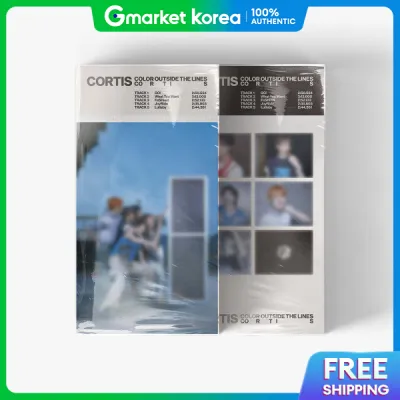
Prices are valid at publication and may change. Please refer to the product page for the latest price.
Standard editions represent the core release of the album. They are designed for wide distribution, ensuring that the music and primary visual concepts are highly accessible to the general public. A standard edition typically features a high-quality photobook, the physical CD or a digital platform voucher, and a small selection of random photocards. These versions remain in print for a longer duration, making them easy to find at retail price long after the initial release date.
Special editions occupy a middle tier, offering alternative visual concepts or enhanced packaging without the extreme scarcity of a limited release. These versions often highlight specific sub-themes of the album, featuring different cover art, expanded photobook pages, and unique bonus items like sticker sheets, postcards, or mini-posters. Special editions are perfect for collectors who want a deeper dive into the album’s visual narrative but do not want to pay a massive premium.
Limited editions are premium, highly collectible packages produced in restricted quantities. Once the initial production run of a limited edition is exhausted, manufacturers rarely reprint them, driving up their value on the secondary market. These editions frequently feature oversized or non-standard packaging, exclusive merchandise such as keyrings, fabric patches, or metal badges, and sometimes individually numbered certificates of authenticity. They are tailored specifically for dedicated collectors who prioritize rarity and long-term collection value.
Comparing Content and Collectibles
When comparing the different versions of the Cortis album, having a physical checklist is essential for verifying exactly what you are paying for. Inclusions can vary wildly between editions, and knowing the precise specifications helps you avoid disappointment when unboxing.

First, examine the packaging dimensions and photobook specifications. Standard editions are usually designed to fit standard shelving, featuring compact dimensions and a modest page count, typically ranging from 60 to 80 pages. Special editions often boast larger dimensions and thicker photobooks, sometimes exceeding 100 pages of exclusive photography. Limited editions may abandon the traditional book format entirely, opting for rigid collector boxes, slipcases, or tin containers that require dedicated display space.
Photocards are the most highly sought-after collectibles in modern album releases, making their distribution a key point of comparison. Standard editions generally include one or two random photocards from a large pool, encouraging trading among fans. Special editions may feature exclusive photocard concepts, such as selfie cards with unique back designs or printed signatures. Limited editions often include premium photocard variants, such as holographic finishes, translucent plastic cards, or even a complete set of cards rather than a random selection.
For collectors living in tropical climates like the Philippines, physical preservation is a crucial factor to consider when evaluating these materials. High humidity and ambient heat can cause glossy photobook pages to stick together, ruin matte finishes, and warp delicate paper photocards over time. When unboxing any edition, inspect the paper stock and coating. It is highly recommended to store your photocards in acid-free, PVC-free plastic sleeves and place silica gel packs inside your album display cabinets to protect your investment from moisture damage.
Beyond photocards, supplementary items can greatly influence the value of an edition. Look closely at the product specifications to see if the album includes folded posters, character ID cards, bookmark sets, or digital access codes. Some modern editions replace the physical CD with a QR code voucher or an NFC card that links to a mobile application. Always verify that your playback devices are compatible with the specific media format included in the album before checking out.
Evaluating Value and Availability
Assessing the cost-to-content ratio of each edition requires a careful look at retail pricing, secondary market trends, and the risks associated with purchasing out-of-print items.
Official retail prices for standard editions are highly accessible, typically ranging from ₱900 to ₱1,500 at authorized local music stores. Special editions carry a slight premium, often priced between ₱1,600 and ₱2,200. Limited editions are the most expensive at retail, but their secondary market prices can skyrocket once they go out of print. If you do not purchase a limited edition during the pre-order phase, you may face steep markups from resellers on online marketplaces, where prices can easily double or triple.
When purchasing limited or special editions from third-party resellers, verifying authenticity is paramount. Look for official holographic security seals or distributor logos on the back of the album packaging. These stickers reflect light in specific patterns and are difficult for counterfeiters to replicate. Additionally, request detailed photos or unboxing videos from the seller to inspect the physical condition of the corners, spine, and internal contents, as international shipping and improper storage can easily damage fragile paper packaging.
Be aware of regional exclusives and platform-specific pre-order benefits. Many authorized retailers offer exclusive bonus items, such as special photocards or plastic bookmarks, that are only available if you purchase the album from their store during a specific timeframe. These benefits are often tied to specific editions, so compare the offerings of different distributors to maximize the value of your purchase.
How to Choose the Right Edition for You
Selecting the perfect version of the Cortis album depends on your budget, storage space, and collecting goals. Using a structured decision framework can help you make a choice you will be satisfied with for years to come.
Choose the Standard edition if you are primarily focused on the music, want to support the artist on official music charts, and are working with a strict budget. This version provides all the essential audio tracks and a taste of the physical collecting experience without cluttering your shelves or straining your wallet. It is also the easiest edition to replace if your copy is ever lost or damaged.
Choose the Special edition if you are highly invested in the visual concept of the album and want a more immersive physical experience. This tier offers the best balance of price and content, giving you access to expanded photography and unique aesthetic variations that are not present in the standard release. It is an excellent choice for fans who enjoy displaying photobooks on their coffee tables or bookshelves.
Choose the Limited edition if you are a dedicated collector, a completionist, or someone who highly values rarity and exclusive physical merchandise. If you have the budget to spare and are willing to invest in proper storage solutions to protect the items from tropical humidity, the limited edition offers unmatched prestige and long-term collection value. However, ensure you purchase it during the official pre-order window to avoid inflated secondary market prices.
Before finalizing your purchase, run through a quick pre-checkout checklist. Confirm the exact edition name in the product listing, verify that the seller is an authorized chart-reporting retailer, and check if any store-exclusive pre-order benefits are included. Taking these extra steps ensures that your hard-earned money goes toward an authentic, high-quality addition to your music collection.
Frequently Asked Questions (FAQ)
Do limited edition albums always include more photocards?
Not necessarily. While limited editions often feature highly exclusive photocard designs, such as holographic, textured, or special concept cards, they do not always offer a higher quantity of cards than other versions. In some cases, a special edition might actually include a larger total number of standard photocards, or even a guaranteed set, whereas a limited edition might focus on a single, highly rare card. Always check the official distributor specification sheets or verified unboxing videos to confirm the exact photocard count and distribution method before buying.
How can I verify if a Cortis limited edition is authentic?
To verify the authenticity of a limited edition album, start by inspecting the official holographic sticker on the back of the packaging, which is typically issued by the regional music industry association or the authorized distributor. These stickers feature complex, light-reflective patterns that are difficult to counterfeit. Additionally, examine the print quality of the photobook and the thickness of the photocards; official releases use high-resolution imagery and sturdy, professional cardstock with clean, rounded edges. Finally, always purchase from reputable, chart-reporting music stores or highly rated collectors with verifiable feedback on secondary marketplaces.
Community discussion
Share your experience or ask a question. Comments are reviewed before publication.