
Starting your journey as a drummer in the Philippines is an exciting venture, but walking into a music store or browsing online marketplaces can quickly become overwhelming. The key to a successful start is finding a complete beginner drum set that allows you to set up and play immediately without encountering hidden costs or missing essential parts. In a market filled with various configurations, understanding what constitutes a truly complete kit ensures you do not end up with a set of drums you cannot actually play. Furthermore, navigating local factors such as tropical humidity, limited residential space in urban areas, and noise considerations will heavily influence whether an acoustic or electronic setup is right for your home.
Defining a "Complete" Beginner Drum Kit
When searching for a beginner drum kit, the term “complete” can sometimes be misleading. Many manufacturers sell “shell packs,” which only include the wooden drum shells themselves, leaving you to purchase stands, pedals, and cymbals separately. For a beginner, a truly complete kit must include all the physical components required to produce sound and sit comfortably from day one.
The foundation of a standard complete kit is the five-piece drum shell configuration. This setup consists of a snare drum, which serves as the rhythmic centerpiece; a bass drum (or kick drum) operated by a foot pedal; two rack toms mounted above the bass drum; and one floor tom standing on its own legs. This specific configuration is the industry standard for learning, as almost all instructional books, online tutorials, and drum tab sheets are written with this layout in mind.
Products mentioned in this guide
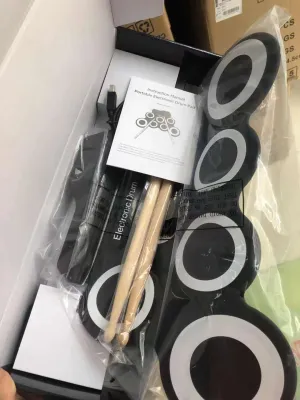
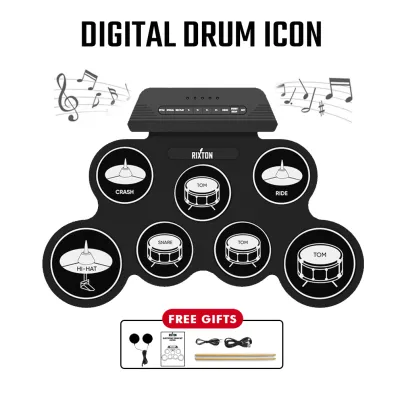
Prices are valid at publication and may change. Please refer to the product page for the latest price.
Beyond the wooden shells, a complete kit must bundle the essential hardware. This includes a snare stand, a hi-hat stand with a foot pedal mechanism, at least one or two cymbal stands, a bass drum pedal, and a drum throne (the stool). Without these stands, the drums cannot be positioned at the correct heights or angles. Additionally, the package must include a basic set of cymbals, which typically features a pair of hi-hat cymbals and a crash or crash-ride cymbal. Buying these components as a single bundled package is highly recommended for beginners, as it ensures all parts are compatible and saves significant money compared to buying hardware and cymbals individually.
Acoustic vs. Electronic Drum Sets for Beginners
One of the most critical decisions you will make is choosing between an acoustic and an electronic drum set. This choice is rarely about which instrument is objectively better; instead, it depends on your living environment, noise tolerance, and personal practice goals.

Acoustic drum kits offer an unmatched physical experience. They provide an authentic feel, natural stick rebound, and a dynamic response that teaches you how to control your volume through physical touch. The acoustic resonance of real wood and metal allows you to feel the vibration of every stroke, which is highly beneficial for developing proper technique and muscle memory. However, acoustic drums are incredibly loud and require a dedicated physical space. In the Philippines, where many families live in close proximity within subdivisions, townhouses, or condominiums, the high volume of an acoustic kit can easily lead to noise complaints from neighbors.
Electronic drum kits solve the noise problem by replacing acoustic shells with digital trigger pads. You can plug in headphones to practice silently at any hour of the day or night, making them ideal for dense urban living spaces. Electronic kits also have a much smaller physical footprint, often folding up for easy storage in small rooms. They also offer built-in metronomes, coaching functions, and various pre-loaded drum kit sounds that can make practice sessions highly engaging.
The primary trade-off lies in the playing feel and skill transfer. Entry-level electronic kits often use rubber pads or mesh heads. Rubber pads are highly durable but feel stiff and can cause wrist fatigue during long sessions. Mesh heads, which are woven fabric drumheads, offer a much more realistic rebound and can be tensioned with a drum key to mimic the feel of an acoustic drum. If you plan to eventually transition to playing live acoustic drums in a band or church setting, practicing on mesh heads will make that transition significantly smoother than practicing on rubber pads.
Evaluating Shell Materials and Drum Sizing
If you decide on an acoustic kit, the materials used to construct the drum shells will play a major role in both the sound quality and the longevity of the instrument. Entry-level acoustic kits are typically made from affordable hardwoods such as poplar, basswood, or birch. Poplar and basswood are excellent choices for beginners because they are lightweight, cost-effective, and produce a balanced, bright tone with sufficient volume.
In the tropical climate of the Philippines, high humidity and temperature shifts can cause wood to expand, contract, or warp over time. When selecting a kit, it is vital to inspect the quality of the protective wrap or lacquer finish on the shells. A well-sealed shell prevents moisture from penetrating the wood grain, ensuring the drums maintain their structural integrity and stay in tune longer. Keeping your drum set in a well-ventilated room away from direct sunlight and damp walls will also help preserve the wood.
Drum sizing is another crucial factor, especially regarding physical comfort and ergonomics. Standard drum kits often feature a 22-inch bass drum, which provides a deep, powerful sound but positions the rack toms relatively high. For younger players or shorter adults, a “fusion” configuration with a 20-inch bass drum and slightly smaller toms is often much more comfortable. Smaller drum sizes allow you to position the entire kit lower to the ground, bringing the rack toms and cymbals within easy reach without forcing you to stretch or compromise your posture. Properly adjusting your drum throne height so your thighs are slightly angled downward toward the pedals will prevent lower back strain and facilitate smoother foot technique.
Inspecting Hardware and Cymbal Quality
While the drum shells often get the most attention, the quality of the hardware and cymbals included in a beginner bundle is what truly determines the kit’s durability. Low-quality hardware can slip, wobble, or strip its threads during play, leading to constant frustration and interrupted practice sessions.
When evaluating a kit in-store or reviewing specifications online, look for double-braced legs on all stands. Double-braced hardware features two metal supports on each leg instead of one, providing a much wider, heavier base that resists tipping over when you play energetically. Memory locks—metal collars that clamp onto the stand’s tubes—are also highly valuable, as they lock your height adjustments in place and make teardown and setup incredibly consistent.
The cymbals included in entry-level bundles are usually made of brass or basic sheet metal. While brass cymbals are highly durable and perfectly adequate for learning basic rhythms, they tend to produce a bright, harsh, and ringy sound with very little sustain. As your ears develop, you may find these stock cymbals lacking in musicality. Higher-end cymbals are made from bronze alloys (such as B8 or B20 bronze), which offer a much warmer, richer, and more complex tone. When budgeting in ₱, it is often wise to accept the stock brass cymbals initially to keep your startup costs low, while planning to upgrade to a quality set of bronze cymbals once you have mastered the basics.
Purchasing Checklist and Delivery Verification
Buying a drum set is a significant investment, and ensuring that everything arrives safely and complete is essential for a smooth start. Whether you are purchasing from a local music retailer in Metro Manila or ordering through an online marketplace, following a strict verification checklist will protect you from missing parts or damaged goods.
Before finalizing your purchase, carefully read the product description to verify the exact list of included components. Do not rely solely on the product image, as promotional photos often display high-end cymbals, extra stands, or drum thrones that are actually sold separately. Confirm that the package explicitly states it includes the pedals, stands, cymbals, and a drum throne.
Once your drum kit is delivered, conduct a thorough unboxing inspection before assembling the parts. Examine the bearing edges of the wooden shells—the top and bottom edges where the drumhead makes contact with the wood. These edges must be perfectly smooth and free of splinters or flat spots, as any unevenness will make the drum incredibly difficult to tune. Check the metal hoops for warping and ensure the tension rods thread smoothly into the lugs without binding.
Finally, inventory all the small hardware components. Complete kits require dozens of small parts, including tension rods, washers, cymbal felts, wingnuts, and a drum key. A single missing wingnut can prevent you from mounting a cymbal, halting your assembly process entirely. If you notice any missing or damaged parts, contact the seller immediately before attempting to play or modify the kit.
Frequently Asked Questions (FAQ)
Do I need to buy a separate drum throne if one is included?
Many complete beginner drum sets include a basic drum throne in the box, but these stock seats are often the first components to show wear. Stock thrones typically feature thin padding and simple friction-bolt height adjustments, which can slip over time if you are a heavier player. To determine if you need an upgrade, assess the stability and comfort of the included throne during your first few practice sessions. If you experience lower back pain, tailbone discomfort, or if the seat wobbles while you play, investing in a sturdy, double-braced throne with thick foam padding is highly recommended to protect your posture and ensure long-term physical comfort.
Can I upgrade individual parts of a complete beginner kit later?
Yes, one of the greatest advantages of an acoustic drum kit is its modular nature, allowing you to upgrade components gradually as your budget permits. You do not need to buy an entirely new kit to achieve a professional sound. The most impactful and cost-effective upgrade you can make is replacing the stock drumheads with high-quality, dual-ply heads from reputable manufacturers, which instantly deepens and controls the tone of entry-level wood shells. Upgrading your stock brass cymbals to bronze alternatives is the next logical step, followed by upgrading your bass drum pedal for smoother action. While the wooden shells themselves have structural limitations, a beginner kit with upgraded heads and cymbals can easily sound good enough for live gigs and recording.
Community discussion
Share your experience or ask a question. Comments are reviewed before publication.