
Finding the perfect Greek mythology book in a digital format requires navigating a complex landscape of platform catalogs, regional licensing, and device ecosystems. In the Philippines, readers often face unique challenges, from localized payment methods to varying regional availability of specific translations and modern retellings. Whether you are searching for the classic translations of Homer’s epics or the latest contemporary mythological fiction, the ideal platform depends entirely on your reading habits, budget, and preferred hardware. By understanding how digital storefronts operate in the local market, you can make an informed decision that maximizes your reading enjoyment without unnecessary expenses.
Key Factors When Choosing an eBook Platform for Greek Mythology
When evaluating digital storefronts, your first step should be verifying regional availability and payment compatibility. Many global platforms restrict certain titles based on geographic licensing, meaning a book available in North America or Europe might be blocked for readers in the Philippines. To avoid disappointment, always search the localized version of a platform’s storefront while logged into your account to confirm that the specific translation or retelling you want is actually purchasable in your region.
Additionally, check the supported payment gateways. A platform that seamlessly integrates local credit cards, debit cards, and popular Philippine e-wallets makes transactions much smoother than one requiring international wire transfers or foreign currency conversions. Look for storefronts that display prices directly in Philippine Pesos (₱) to avoid unexpected foreign transaction fees on your monthly billing statements.
Products mentioned in this guide
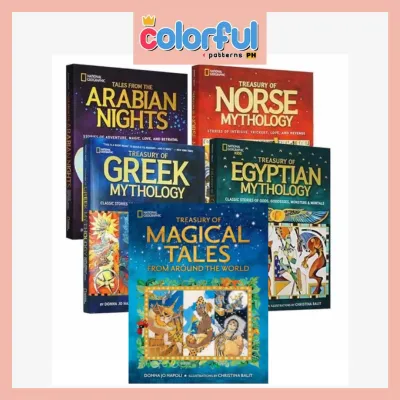
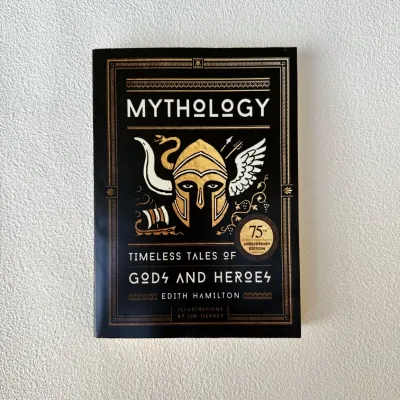
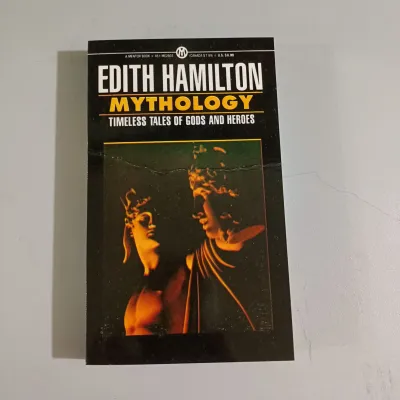
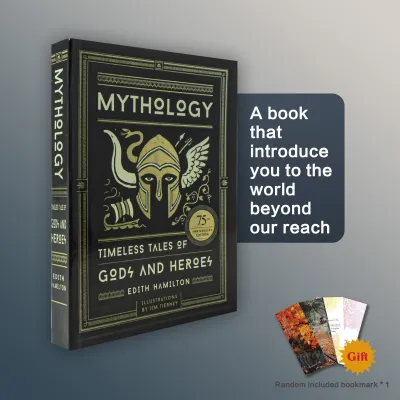
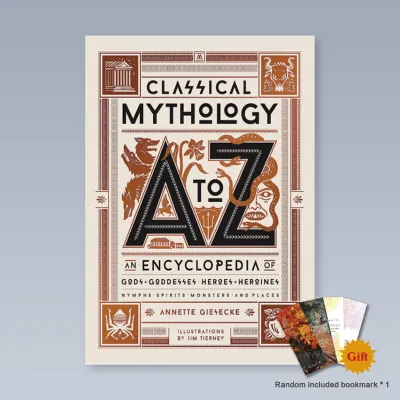
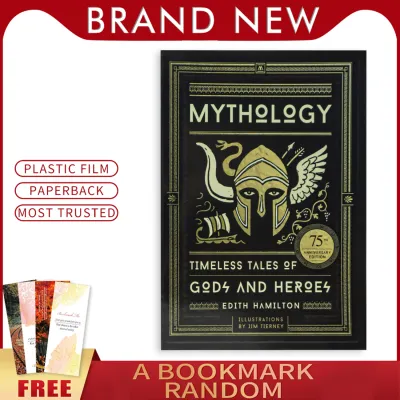
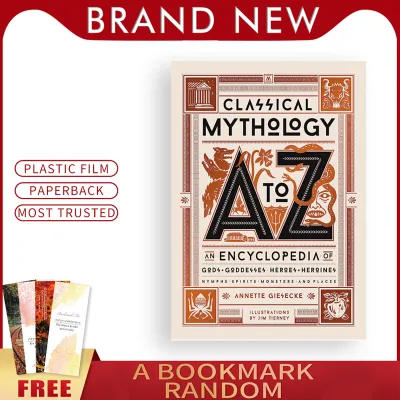
Prices are valid at publication and may change. Please refer to the product page for the latest price.
Another critical factor is the distinction between public-domain classics and copyrighted modern works. Ancient texts, such as those by Hesiod or Ovid, are legally in the public domain, but modern translations and contemporary retellings are protected by copyright. This distinction dictates how platforms price and distribute these books, with some offering public-domain texts entirely for free, while others package them into premium editions with proprietary commentary.
Finally, pay close attention to Digital Rights Management (DRM) restrictions. DRM determines whether you truly own the digital file or are merely licensing the right to view it within a specific application. If you prefer to read on multiple devices or use open-source e-reader software, look for platforms that offer DRM-free files or allow you to export your purchases in standard formats like EPUB. If a platform uses strict proprietary DRM, you will be locked into their specific hardware or application ecosystem.
Evaluating Catalog Depth and Edition Types
A comprehensive Greek mythology collection spans thousands of years of literature, making catalog depth a primary consideration. For readers interested in classic and public-domain texts, the quality of the translation is paramount. Older translations, while often free, can feature archaic language that is difficult to parse. When browsing platforms, check if they offer modern, critically acclaimed translations by scholars such as Robert Fagles, Richmond Lattimore, or Emily Wilson. A good platform should clearly list the translator’s name and the publication date of the specific edition, allowing you to verify that you are getting a readable and academically rigorous text.

For those who prefer modern retellings, contemporary fantasy, or academic analyses, the platform’s relationship with major publishers is key. Check the storefront’s “new releases” or “mythology” categories to see how quickly they list newly published novels and academic press titles. Some platforms secure exclusive digital distribution rights for highly anticipated mythological fiction, while others may experience delays before these titles become available to readers in the Philippines.
Audiobook and multimedia integration is another valuable feature to evaluate, especially for dense epic poetry. Listening to a professional narration while following along with the digital text can significantly enhance your comprehension of complex Greek names and genealogies. Look for platforms that offer synchronized text and audio, allowing you to switch seamlessly between reading on your e-reader and listening on your smartphone without losing your place. Verify whether this synchronization requires purchasing both formats separately or if it is included as a bundled feature.
Comparing Pricing Models and Subscription Value
Understanding how different platforms structure their pricing is essential for managing your reading budget. If you choose the à la carte purchase model, you pay for each book individually. This model is ideal for readers who build a permanent digital library and want to revisit their favorite translations over many years. When comparing à la carte storefronts, look for those that offer localized pricing in ₱, as they often adjust their rates to match the local purchasing power, making books more affordable than their direct US dollar equivalents.
Alternatively, subscription-based models allow you to pay a flat monthly fee for access to a rotating library of titles. This can be highly cost-effective if you read multiple books a month, but you must carefully inspect the subscription catalog before signing up. Many subscription services exclude major new releases or limit the number of high-demand copyrighted books you can borrow simultaneously. Check if the specific Greek mythology books you want to read are included in the “unlimited” tier or if they require additional credits or purchases.
For budget-conscious readers, free and promotional titles offer an excellent way to explore classical mythology without spending money. Many platforms host promotional sales or offer select public-domain classics for free. However, be cautious of hidden subscription traps where a “free” book requires signing up for a trial that automatically bills your card after a set period. Always verify the terms of service and ensure you are downloading from a legitimate, authorized source rather than an unverified third-party site that might compromise your device’s security.
Reading Experience and Device Compatibility
The technical features of an eBook platform directly impact how comfortably you can digest dense mythological narratives. Greek mythology books often feature complex family trees, maps of the ancient world, and extensive footnotes explaining cultural contexts. When evaluating a platform’s reading application or e-reader hardware, check how it handles these elements. A high-quality platform supports high-resolution image zooming for maps and offers pop-up footnotes, allowing you to read a translator’s note instantly without losing your place on the main page.
Typography and formatting customization are equally important for reducing eye strain during long reading sessions. Ensure the platform allows you to adjust font sizes, line spacing, margins, and background colors. For reading in the tropical climate of the Philippines, where outdoor glare can be intense, a platform that pairs well with an e-ink screen is highly advantageous. E-ink displays mimic physical paper and remain highly readable under direct sunlight, unlike standard tablet or smartphone screens.
Cross-device syncing is another feature that modern readers rely on heavily. If you start reading an epic poem on your dedicated e-reader at home, you should be able to open the platform’s app on your smartphone during your daily commute and resume reading from the exact same sentence. Verify that the platform syncs not only your reading progress but also your highlights, bookmarks, and personal annotations across all your devices.
Finally, consider offline access and storage management. Internet connectivity can be inconsistent, especially during heavy rains or power outages. A reliable eBook platform must allow you to download your entire mythology collection directly to your device’s local storage for offline reading. Check how easily you can manage these files, archive completed books to save space, and redownload them whenever you have a stable internet connection.
Decision Framework: Which Platform Fits Your Reading Goals?
To choose the right platform, you must align your reading goals with the strengths of each digital ecosystem. If your primary interest lies in studying original classical translations and you value maximum device flexibility, prioritize platforms that support open formats like EPUB and offer DRM-free public-domain texts. This approach allows you to curate your own library and read your books on any device or application you choose, without being tied to a single retailer.
If you prefer modern retellings, contemporary fiction, and the convenience of integrated audiobooks, a major global retailer or subscription service is likely the better fit. These platforms offer the most seamless user experience, immediate access to new releases, and robust cross-device syncing. However, keep in mind that you will be operating within their proprietary ecosystem, meaning your purchases will generally remain locked to their specific apps or hardware.
Before making any purchases, always verify if your existing e-reader hardware restricts you to a specific proprietary ecosystem. Some e-readers are designed to work exclusively with their parent company’s digital storefront, making it difficult or impossible to load books purchased from competing platforms. If you do not yet own a dedicated e-reader, consider whether you prefer the open flexibility of an Android-based e-ink tablet or the streamlined, locked-in convenience of a major global brand.
Frequently Asked Questions (FAQ)
Are there free legal ways to read Greek mythology eBooks?
Yes, there are several legitimate and legal ways to access public-domain Greek mythology texts without spending money. Established digital archives, such as Project Gutenberg and Standard Ebooks, offer beautifully formatted, DRM-free editions of classic translations of Homer, Hesiod, and Virgil. These platforms operate entirely legally by hosting texts whose copyrights have expired. Avoid downloading PDFs from unverified file-sharing websites, as these sources often distribute copyrighted material illegally and can expose your devices to malware or security vulnerabilities.
Do I need a special e-reader to read Greek mythology books?
No, you do not need a dedicated e-reader to enjoy digital Greek mythology books, though your choice of device affects your reading comfort. Most major eBook platforms offer free reading applications for standard iOS and Android smartphones and tablets. These devices are excellent for viewing colorful illustrations, detailed maps, and complex family trees. However, if you plan to read for hours at a time, a dedicated e-ink e-reader is highly recommended, as its reflective screen reduces eye strain and remains perfectly readable in bright outdoor environments.
Community discussion
Share your experience or ask a question. Comments are reviewed before publication.