
Finding the best digital platform for Ateneo University Press titles in the Philippines requires balancing your reading goals against the technical limitations of different digital storefronts. Because academic and regional publishers distribute their catalogs across multiple channels, no single platform holds an absolute monopoly on every title. Instead, the ideal platform depends on whether you are searching for popular trade publications—such as contemporary Philippine literature, poetry, and accessible history—or highly specialized academic monographs and peer-reviewed research. To secure the most seamless reading experience, you must evaluate platforms based on their catalog depth, file formats, regional availability, and pricing structures in Philippine Pesos (₱).
Navigating the digital landscape for local academic publications can be challenging, as digital rights and distribution agreements frequently shift. By understanding how different platforms categorize, format, and license these books, you can avoid purchasing incompatible files or missing out on cost-effective institutional access. Whether you are a student compiling sources for a thesis, a researcher analyzing regional history, or a casual reader exploring local narratives, a systematic approach to choosing your digital bookstore will save both time and money.
Key Criteria for Comparing Ateneo University Press eBook Platforms
When evaluating where to purchase or access digital titles from Ateneo University Press, the first factor to consider is the distinction between catalog breadth and catalog depth. Consumer-focused digital bookstores typically prioritize trade titles—books designed for a wider audience, including award-winning novels, poetry collections, and general interest historical texts. In contrast, specialized academic databases and institutional repositories focus on deep scholarly monographs, archaeological reports, and critical essays. If your reading list consists primarily of course materials or niche research, a standard commercial eBook store may not carry the specific titles you require, necessitating a shift toward academic platforms.
Products mentioned in this guide
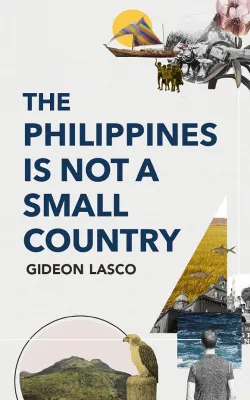
![[E-BOOK] The Philippines is not a Small Country](https://img.lazcdn.com/g/p/fff2e4ed0410a9b95af171960dae2282.jpg_400x400q80.jpg_.webp)
Prices are valid at publication and may change. Please refer to the product page for the latest price.
File formats and Digital Rights Management (DRM) restrictions represent another critical boundary. Digital publications from regional presses are generally distributed in either reflowable ePub or fixed-layout PDF formats. Reflowable ePub files are highly adaptable, allowing you to adjust font sizes, margins, and background colors, which makes them ideal for reading on mobile phones or dedicated e-readers during a daily commute. Fixed-layout PDFs, however, preserve the exact pagination and typesetting of the printed book. This preservation is indispensable for academic citation, as it ensures your page references align perfectly with physical copies, though PDFs can be cumbersome to read on smaller screens.
Furthermore, DRM policies dictate how and where you can read your purchased books. Some platforms employ proprietary DRM that locks your purchase to a specific application or device ecosystem, preventing you from exporting the file to an external e-reader. Other platforms utilize more flexible industry-standard DRM, such as Adobe Digital Editions, which allows you to transfer files across a wider range of compatible devices. Understanding these format and security constraints beforehand prevents the frustration of buying an eBook only to find it cannot be read on your preferred device.
How to Verify Catalog Depth and Device Compatibility
Because digital inventories and licensing agreements are dynamic, you should independently verify the availability of specific titles before committing to a platform. The most reliable starting point is to use advanced search filters on major digital retail platforms. Instead of performing a broad keyword search, utilize the publisher-specific filter by inputting “Ateneo de Manila University Press” or “Ateneo University Press” in the publisher metadata field. This targeted search isolates the press’s official digital catalog, allowing you to assess the exact number of available titles and filter them by publication date, genre, or format.

To cross-reference this information, consult the official Ateneo University Press website or their verified regional distribution announcements. The press frequently updates its digital distribution roster, listing authorized retail partners and institutional databases. If a title is newly released, the publisher’s official channels will often specify which digital platforms have secured the initial distribution rights, or whether the title is temporarily exclusive to physical print formats due to licensing delays.
Device compatibility and regional account restrictions must also be verified prior to purchase. Many digital storefronts enforce region-locks based on the billing address of your payment method or the IP address used during account creation. A reader in the Philippines must ensure their account region is correctly set to the local market to access regional pricing and titles that may be restricted elsewhere. Additionally, check the system requirements of the platform’s reading application. Ensure the app is compatible with your device’s operating system, especially if you plan to read on an older tablet or a specialized e-ink reader that does not support standard mobile application stores.
Evaluating Pricing, Value, and Institutional Access
Evaluating the financial aspect of digital reading involves looking beyond the initial retail price. On commercial platforms, prices for Ateneo University Press titles are listed in Philippine Pesos (₱), but the underlying pricing model can vary. Some platforms use dynamic currency conversion based on global exchange rates, which can cause prices to fluctuate slightly over time. Others maintain fixed local pricing. To find the best value, monitor platforms for seasonal sales, publisher spotlights, or platform-specific discount vouchers that periodically lower the cost of regional academic titles.
For students, educators, and researchers affiliated with academic institutions in the Philippines, retail purchasing may not be necessary. Many universities provide free access to academic press catalogs through institutional subscriptions to databases like Project MUSE, JSTOR, or EBSCO. By logging into your university library portal using your institutional credentials, you can often download full-text PDF chapters of Ateneo University Press monographs at no personal cost. This institutional route not only saves money but also provides access to advanced search tools, automated citation generators, and high-resolution PDF files that are ideal for academic writing.
When deciding between purchasing a permanent digital copy and utilizing library access, consider the long-term utility of the book. Purchasing a retail copy grants you permanent access within that platform’s ecosystem, which is ideal for foundational texts you plan to reference throughout your career. Conversely, borrowing digital copies through library applications or institutional portals is highly efficient for temporary research needs, such as writing a term paper or reviewing a single chapter. Keep in mind that digital library loans may have expiration dates or concurrent user limits, meaning you might have to wait in a virtual queue if a title is in high demand.
Decision Framework: Choosing the Right Platform for Your Needs
To streamline your selection process, use a conditional decision framework based on your primary reading objective, device preferences, and institutional affiliations. This approach ensures you select a platform that aligns with both your technical setup and your budget.
- Choose General Online Retailers if: You prioritize reading convenience, prefer reflowable ePub formats, and use a standard smartphone, tablet, or compatible e-reader. These platforms are ideal for personal leisure reading, memoirs, poetry, and general history titles. They offer straightforward purchasing, automatic syncing across multiple devices, and user-friendly interfaces that do not require academic logins.
- Choose Academic Databases or Institutional Portals if: You are affiliated with a university, require precise page numbers for academic citations, or need access to specialized scholarly monographs. These portals provide high-quality PDF downloads that are easy to annotate on tablets and computers. This path is highly cost-effective, as it leverages existing university library budgets to grant you free, legitimate access to critical research materials.
- Verify Exclusive Licensing First if: You are searching for a highly specific, newly released, or niche regional title. Before purchasing, check the official Ateneo University Press website to confirm if the digital version is restricted to a single distributor, or if it is currently only available in physical print. This step prevents unnecessary account creation on platforms that do not carry the specific text you need.
By applying this framework, you can navigate the digital ecosystem with confidence, ensuring that your investment in Philippine literature and scholarship is both practical and rewarding.
Frequently Asked Questions (FAQ)
Can I read Ateneo University Press eBooks offline?
Yes, but your ability to read offline depends entirely on the platform’s DRM and application settings. Most commercial retail platforms allow you to download purchased eBooks directly to their dedicated mobile or desktop applications for offline reading. However, these files are typically encrypted and cannot be copied or opened in external PDF or ePub readers. If you are accessing titles through an academic database or institutional portal, you can usually download standard, DRM-free PDF chapters that can be saved to any device and read offline without proprietary software. Always check the platform’s device authorization limits, as some services restrict offline access to a specific number of registered devices.
Are digital versions cheaper than physical Ateneo books?
Digital versions of Ateneo University Press titles are frequently priced lower than their physical counterparts, primarily because digital distribution eliminates printing, warehousing, and physical shipping costs. This price difference is particularly advantageous in the Philippines, where physical books are susceptible to wear, tear, and environmental damage from high humidity and tropical weather. However, the final price in ₱ can be influenced by local digital service taxes, platform transaction fees, and currency conversion rates. For the best value, compare the digital retail price against physical bookstore prices, and always check if your academic institution provides free database access before making a personal purchase.
Community discussion
Share your experience or ask a question. Comments are reviewed before publication.