
Finding specialized Philippine legal handbooks like ‘Legal Kit ni Juan’ in a digital format requires navigating a highly fragmented online publishing landscape. While global eBook platforms offer unmatched convenience, they do not always guarantee a complete catalog of niche, locally published legal references. To locate these essential resources, readers must look beyond standard international retailers and explore direct publisher websites, local academic storefronts, and specialized digital distributors. Before committing to any digital purchase, it is absolutely critical to verify the exact edition, language, and regional licensing of the text to ensure it aligns with current Philippine laws and jurisprudence.
Essential Checks Before Buying Digital Legal References
Transitioning to a digital legal library offers immense convenience, especially in a tropical climate where high humidity, sudden downpours, and pests can easily damage heavy paper volumes. However, purchasing digital legal handbooks requires a systematic approach to ensure the material is both legally accurate and technically usable.
First, you must verify the exact edition and publication year of the digital handbook. Philippine laws, administrative regulations, and Supreme Court doctrines undergo continuous updates and revisions. An outdated legal text, even if it is only a few years old, can lead to critical errors in academic research or professional practice. Always cross-reference the digital listing’s metadata with the publisher’s official catalog to confirm you are purchasing the most recent revision.
Products mentioned in this guide
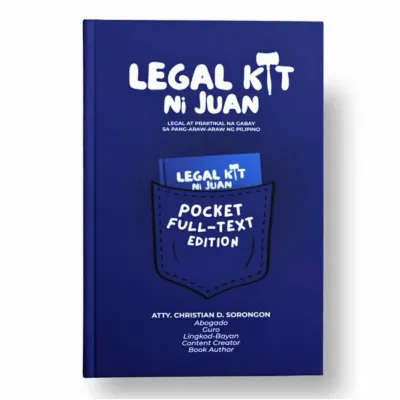
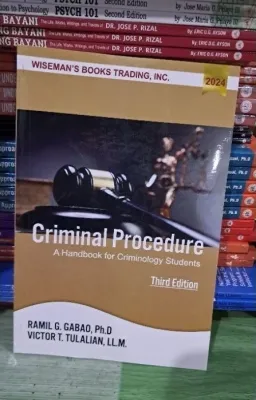
Prices are valid at publication and may change. Please refer to the product page for the latest price.
Second, pay close attention to the file format offered by the platform. Digital legal texts generally come in two formats: reflowable EPUB or fixed-layout PDF. Reflowable EPUBs are highly convenient for reading on smaller smartphone screens during a daily commute, as the text automatically adjusts to fit your display. However, this reflowable nature can distort complex statutory tables, multi-column comparisons, and extensive footnotes. Conversely, fixed-layout PDFs preserve the exact pagination of the printed book, which is indispensable when you need to cite specific page numbers in legal briefs or academic papers.
Third, review the platform’s Digital Rights Management (DRM) policies and device compatibility. Some digital storefronts restrict reading to their proprietary applications, preventing you from opening the file on dedicated e-ink readers or using third-party PDF annotation tools. Ensure the platform allows offline access on your preferred devices, especially if you plan to study in areas with unstable internet connections.
Finally, always confirm that you are purchasing from an authorized publisher or distributor. The digital marketplace is flooded with unauthorized, low-quality scans of legal handbooks. These pirated files often suffer from poor optical character recognition (OCR), making them completely unsearchable, and they frequently contain missing pages or corrupted text that compromises their utility.
Comparing Platform Types for Philippine Legal Materials
When searching for local legal handbooks, understanding the strengths and limitations of different digital platform types will save you significant time and effort.

Global eBook retailers are the most accessible option for many readers. These platforms feature highly polished reading applications, seamless cloud syncing across multiple devices, and robust customer support. If a local legal handbook is successfully distributed through these channels, you will enjoy an exceptionally smooth reading experience, complete with adjustable typography and synchronized highlights. The primary drawback, however, is catalog depth. Because these platforms operate on a global scale, they often overlook niche regional publications. Local authors and boutique legal publishers may find the onboarding and formatting requirements of global platforms too restrictive, leading to delayed digital releases or complete absence from these international catalogs.
Local publishers and academic storefronts represent the most reliable source for authentic Philippine legal materials. Many university presses and specialized legal book distributors in the Philippines have developed their own digital portals or partnered with local tech aggregators. These platforms prioritize local jurisprudence, bar review materials, and practical handbooks like ‘Legal Kit ni Juan’. By purchasing directly from these sources, you are guaranteed to receive the official, authorized edition. The trade-off typically lies in the user interface. Local proprietary web readers or custom applications may lack the advanced features of global giants, such as seamless cross-device syncing, advanced typography adjustments, or robust annotation export tools.
Digital subscription services offer another avenue, though they are rarely suitable for specialized legal research. These platforms charge a flat monthly fee for unlimited access to a curated library of eBooks. While highly cost-effective for general fiction or broad educational materials, they almost never include premium, specialized legal handbooks. Legal publishing is a high-value, low-volume industry; publishers rely on individual sales to sustain their operations. Consequently, authoritative legal handbooks are almost exclusively sold as individual, one-time purchases rather than being bundled into standard subscription catalogs.
Evaluating the Reading Experience for Legal Texts
A digital legal handbook is not merely a book to be read from cover to cover; it is a working tool that must support rapid lookup, deep analysis, and active study.
The most critical feature of any digital legal text is its search functionality. Legal research often requires locating a specific article, section, or case citation within a massive volume of text. A high-quality digital platform must offer an advanced search engine that indexes the entire book, allowing you to find precise phrases instantly. If the platform’s reader app only supports basic keyword matching or, worse, cannot search the text at all due to un-indexed image scans, the digital handbook loses much of its practical value during high-pressure situations like classroom recitations or court preparation.
Annotation and note-taking tools are equally vital for legal professionals and students. Your chosen platform should allow you to apply multiple highlighting colors to distinguish between statutory text, case summaries, and personal commentary. It should also support margin notes and bookmarks. Crucially, evaluate whether the platform allows you to export these annotations. The ability to compile your highlighted passages and personal notes into a separate text document is an invaluable asset when drafting case briefs, study outlines, or legal memoranda.
Finally, consider how the platform renders complex layouts. Legal handbooks frequently utilize structured tables to compare different laws, flowcharts to map out administrative procedures, and extensive footnotes to cite relevant jurisprudence. On a standard tablet or smartphone, these elements can easily become misaligned. A superior reading platform will render these complex structures cleanly, allowing you to zoom in on tables without losing text clarity and to access footnotes via convenient pop-up windows rather than forcing you to jump back and forth to the end of the chapter.
How to Search and Verify Legal Handbooks Online
To avoid wasting money on incorrect or unauthorized digital files, you must employ precise search and verification strategies when shopping online.
Begin your search by using highly specific queries. Instead of searching for broad terms like “Philippine law books,” use the exact title, the author’s full name, and the International Standard Book Number (ISBN) if available. This level of precision helps filter out student-made study guides, outdated lecture notes, and generic legal summaries that often clutter online search results.
Once you locate a potential listing, make full use of the platform’s preview or sample features. Most legitimate digital storefronts allow you to read a small percentage of the book before purchasing. Use this opportunity to inspect the table of contents, check the publication date, and verify that the text is fully searchable and properly formatted. If the preview reveals misaligned text, low-resolution scans, or a lack of interactive navigation, it is best to look elsewhere.
Be highly vigilant against red flags indicating pirated or unauthorized copies. On general online marketplaces and file-sharing platforms, you may encounter listings offering legal handbooks at suspiciously low prices, such as ₱50 or ₱100. These listings are almost always unauthorized PDF scans. In addition to being illegal, these files are often poorly formatted, lack searchable text, and may contain missing pages or outdated legal provisions that could severely compromise your work or studies. Always purchase directly from recognized publishers, official university bookstores, or verified digital distributors to ensure you receive a complete, accurate, and legally compliant text.
Frequently Asked Questions (FAQ)
Can I read purchased legal eBooks offline on my tablet or e-reader?
Yes, most major digital eBook platforms and local publisher apps allow you to download your purchased legal handbooks for offline reading. This feature is highly practical for studying during commutes or in areas with spotty mobile data. However, keep in mind that Digital Rights Management (DRM) restrictions usually prevent you from copying the raw file directly to other devices or opening it in unauthorized third-party applications. Always check the platform’s specific device authorization limits before completing your purchase.
Are digital legal handbooks updated automatically when laws change?
Generally, standard digital legal handbooks do not receive automatic updates when laws or regulations change. When you purchase an eBook, you are buying a digital representation of a specific print edition. If a major legislative amendment or Supreme Court ruling alters the legal landscape, the publisher will typically release a new, revised edition that must be purchased separately. While some specialized, high-end legal databases offer dynamic, subscription-based updates, standard retail eBooks remain static.
Do local university presses offer direct digital downloads for legal references?
Yes, several prominent university presses and academic institutions in the Philippines offer digital versions of their legal textbooks and handbooks directly through their official websites. These direct purchases are frequently delivered as secure PDF files. Before buying, verify that the file delivery method and security protocols are compatible with your preferred reading devices and that the format supports the specific annotation tools you plan to use for your studies.
Community discussion
Share your experience or ask a question. Comments are reviewed before publication.