
Finding the right math workbook for kindergarten in the Philippines requires matching your child’s learning style with the specific capabilities of digital platforms. Because digital catalogs, licensing agreements, and software features change frequently, there is no single platform that fits every household. Instead, the ideal choice depends on whether you prioritize interactive, gamified exercises on a tablet, static PDF files that you can print for physical pencil-and-paper practice, or structured digital books that align with specific school curricula.
In the Philippine educational landscape, early childhood development emphasizes foundational numeracy, such as counting, recognizing patterns, and understanding basic shapes. During the rainy season or hot tropical afternoons when outdoor play is limited, digital learning tools offer an engaging way to reinforce these concepts at home. However, navigating the variety of available eBook platforms requires understanding how different formats, access models, and device requirements affect your child’s learning experience.
Key Factors for Evaluating Digital Math Workbook Platforms
Evaluating a digital platform for early childhood math requires looking beyond the colorful covers and focusing on how the content is delivered. The format of the digital workbook plays a critical role in how a kindergartener interacts with the material. Standard ePub files are designed primarily for reflowable text, which is excellent for storybooks but often distorts the structured layouts, grids, and illustrations essential for math problems. Static PDFs preserve the exact visual layout of a printed workbook, making them ideal if you plan to view them on a large screen or print them out. Interactive apps, on the other hand, embed touch-responsive elements directly into the pages, allowing children to drag numbers, tap shapes, or receive instant audio feedback.
Products mentioned in this guide
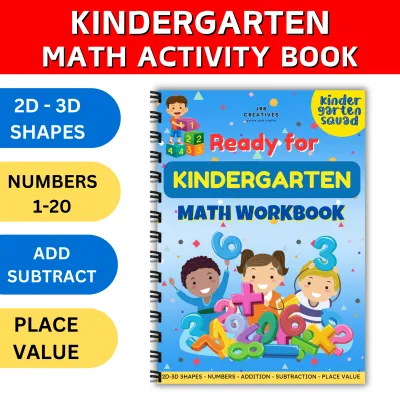
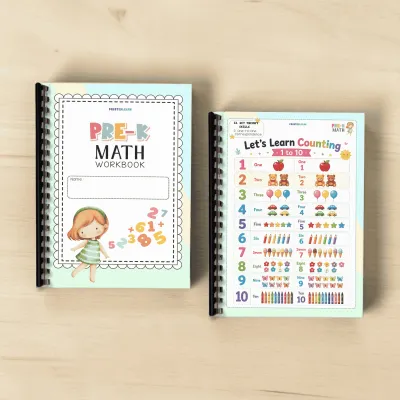
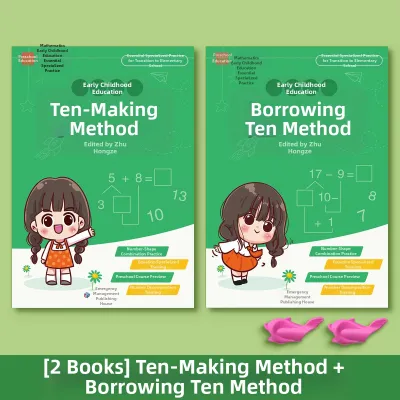
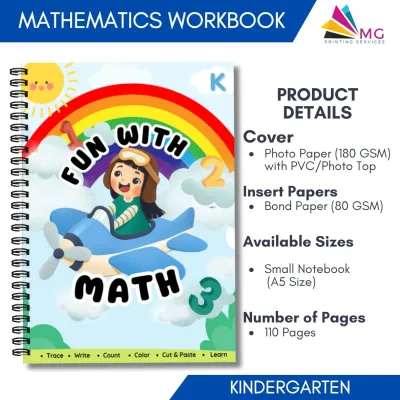
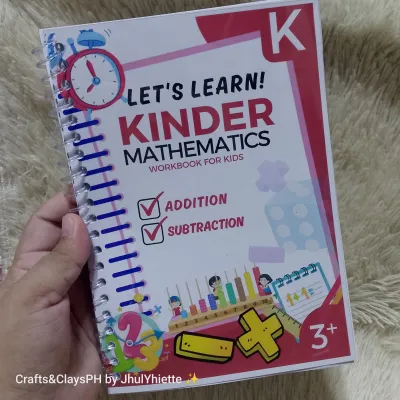
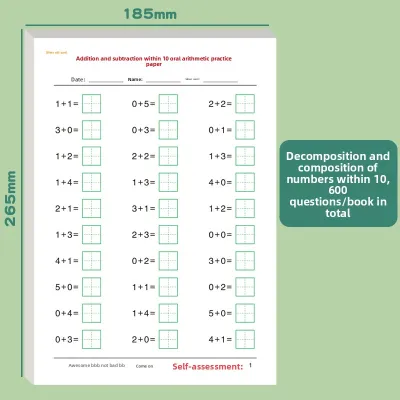
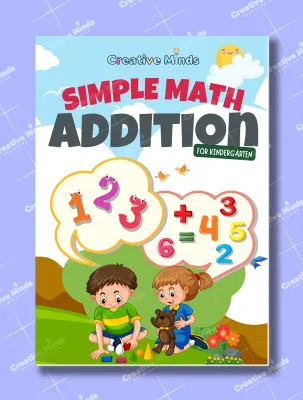
Prices are valid at publication and may change. Please refer to the product page for the latest price.
Curriculum alignment is another vital consideration for parents in the Philippines. Kindergarten programs locally often follow the Department of Education (DepEd) curriculum guidelines, which focus on early math concepts like sorting, comparing sizes, identifying shapes, and counting up to 20. If your child is enrolled in a local school, you will want to verify that the digital workbook’s progression matches these milestones rather than introducing advanced abstract concepts too quickly. Conversely, if you are preparing your child for an international curriculum, you may want to look for platforms that align with global standards, ensuring the terminology and progression match your long-term educational goals.
Finally, the access model of the platform determines both the long-term cost and how you manage your digital library. Some platforms operate on a one-time purchase model, where you buy a single digital workbook and own it indefinitely. This is highly cost-effective if you have younger children who will eventually use the same material. Monthly or annual subscription models grant unlimited access to a vast library of workbooks and educational games, which is excellent for children who progress rapidly and need a constant stream of new challenges. Digital library borrowing systems offer a budget-friendly alternative, though they often come with strict loan periods and waiting lists for popular educational titles.
Comparing Platform Types for Early Math Materials
Digital platforms hosting early math materials generally fall into three distinct categories, each serving a different educational purpose and technical preference. Comprehensive educational subscription services are designed as all-in-one learning ecosystems. These platforms go beyond simple reading by integrating gamified math challenges, animated tutorials, and automated progress tracking. They are highly engaging for kindergarteners because they reward correct answers with digital badges or points, turning repetitive math practice into a playful experience. However, these services require a continuous subscription fee and often demand a stable internet connection to sync progress and load new interactive modules.

Standard eBook retailers and digital libraries represent a more traditional approach to digital reading. These marketplaces offer a vast selection of digital workbooks from various independent authors and established publishers, typically in PDF or fixed-layout ePub formats. Because these platforms focus on static reading, they do not feature built-in grading, interactive animations, or sound effects. This simplicity can be an advantage for parents who want to minimize digital distractions and encourage their child to focus purely on the math problems. These files are also much easier to download completely, making them highly portable for travel or areas with intermittent internet access.
Publisher-direct portals and official brand stores are specialized digital storefronts operated directly by educational publishing houses. These portals are the most reliable source for official, curriculum-aligned digital workbooks that match the physical textbooks used in classrooms. When you purchase directly from a publisher’s portal, you often gain access to proprietary reading applications or companion websites designed specifically for their curriculum. While these platforms may lack the gamified variety of broad subscription services, they provide unmatched academic structure and ensure that the digital exercises perfectly mirror the lessons your child is learning in school.
Essential Pre-Purchase Checks for Compatibility and Quality
Before committing to any digital math workbook purchase, performing a thorough compatibility and quality check can prevent technical frustration and wasted expenses. Device compatibility is the first technical hurdle to clear. Interactive workbooks and educational apps often have demanding system requirements, needing specific versions of iOS or Android to run smoothly. Screen size is equally critical; a smartphone screen is generally too small for a kindergartener to clearly see math grids or manipulate small interactive elements. A tablet with a screen size of at least 8 inches is highly recommended, and you should verify whether the platform supports stylus input if you want your child to practice writing numbers by hand.
Content verification is essential to ensure the workbook is truly appropriate for your child’s developmental stage. Most reputable platforms offer a “look inside” feature or a free sample chapter. Use this preview to assess the visual clarity of the illustrations, the size of the text, and the overall layout. For kindergarteners, instructions should be minimal and highly visual, or accompanied by clear audio icons. You should also check the language options; while English is widely used in Philippine education, some families may prefer materials that offer bilingual support or localized contexts, such as using local currency symbols like ₱ or familiar local fruits in counting exercises.
Feature functionality must be verified on your specific hardware before buying. If a workbook advertises interactive features like drag-and-drop matching, audio narration, or auto-grading, these features may perform differently depending on your device’s processing power and operating system. Read the platform’s technical specifications carefully to confirm which features are supported on your device type. For instance, some interactive elements that work perfectly on an iPad may be disabled or laggy on an older Android tablet or a basic e-reader. Checking user forums or platform compatibility lists beforehand ensures you get the full educational value of the digital workbook.
Decision Framework: Choosing the Right Platform for Your Child
To select the most suitable digital math workbook platform for your family, consider your primary educational goals, your budget structure, and your technical environment. If your priority is keeping your child highly motivated through playful, self-paced learning and you do not mind a recurring monthly fee, a comprehensive educational subscription service is the most fitting choice. This option is ideal for busy parents, as the built-in progress tracking and automated grading allow the child to practice independently while you monitor their development through a parent dashboard.
If you prefer a traditional, distraction-free learning experience and want to avoid ongoing subscription costs, look toward standard eBook retailers that offer downloadable, static workbooks. This path is highly recommended if you want the flexibility to print out specific pages for physical writing practice, or if you want to build a permanent digital library of educational resources that you can access forever without an internet connection.
For families who need strict alignment with a specific school curriculum or want to reinforce the exact lessons taught in local classrooms, a publisher-direct portal is the best route. This ensures that the terminology, teaching methods, and progression of math concepts perfectly match your child’s formal schoolwork, reducing confusion and reinforcing classroom learning.
Regardless of the platform type you choose, always verify the offline access capabilities and device compatibility of the service before making a purchase. Ensuring that the digital workbooks can be downloaded and used without a continuous internet connection is crucial for maintaining a consistent learning routine, especially in areas prone to connectivity disruptions.
Frequently Asked Questions (FAQ)
Can kindergarten math workbooks be printed from eBook platforms?
Whether you can print a digital math workbook depends entirely on the platform’s Digital Rights Management (DRM) policies and the file format. Standard eBook retailers often apply strict DRM restrictions to protect copyright, which prevents users from printing pages directly from the reading application. However, some platforms and publisher-direct portals sell workbooks specifically as downloadable, print-ready PDF files intended for home use. Always check the product description and the platform’s licensing terms before purchasing to confirm if printing is permitted, especially if your child learns best with physical pencil-and-paper exercises.
Do digital math workbooks require an active internet connection?
Internet requirements vary significantly depending on the platform type and the format of the workbook. Comprehensive educational subscription services and interactive apps typically require an active internet connection to stream content, load interactive games, and sync progress data to the cloud. In contrast, static eBooks in PDF or ePub formats purchased from standard retailers can usually be downloaded completely to your device and accessed entirely offline. If you plan to use the workbook during travel or in areas with unstable internet coverage, verify the platform’s offline mode specifications to ensure the content remains accessible without a connection.
Community discussion
Share your experience or ask a question. Comments are reviewed before publication.