
Finding the right digital resources to study Japanese can significantly accelerate your language journey, especially when physical textbooks are difficult or expensive to import. There is no single “best” eBook platform for every learner, as the ideal choice depends heavily on your specific study goals—whether you need structured JLPT textbooks, native reading immersion, or manga-based learning. The right decision relies on evaluating catalog depth, built-in dictionary and furigana features, regional availability in the Philippines, and overall pricing.
In the Philippines, where tropical humidity can easily damage physical paper books over time, building a digital library of Japanese learning materials is a highly practical choice. However, because digital licensing rights vary by region, local learners must carefully navigate platform ecosystems to ensure they can access the specific titles they need. By understanding how different platforms handle Japanese text rendering, interactive dictionaries, and regional storefronts, you can make an informed decision that keeps your study routine seamless and cost-effective.
What to Look for in a Japanese Learning eBook Platform
When selecting a platform for a Japanese learning book, the technical specifications of the reading interface are just as important as the book selection itself. Japanese presents unique typographical challenges, such as vertical text layout (tategaki) and the use of furigana—small phonetic characters written above or alongside kanji to indicate pronunciation. A high-quality platform must render these elements clearly without distorting the layout or making the text unreadable on smaller screens.
Products mentioned in this guide
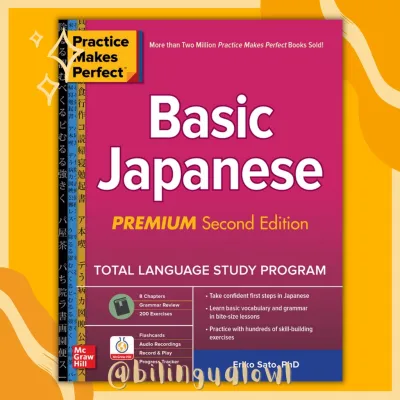
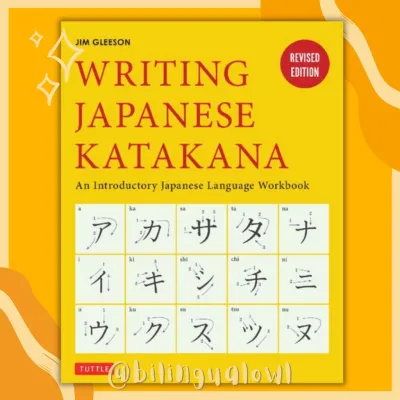

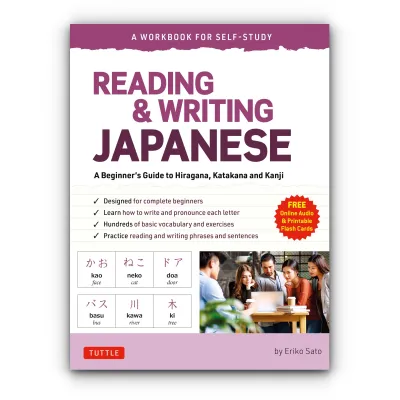


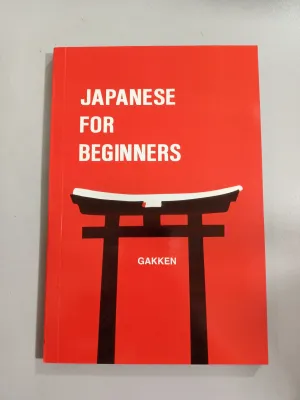
Prices are valid at publication and may change. Please refer to the product page for the latest price.
A robust built-in dictionary is another essential feature for language acquisition. As you read, you should be able to tap on an unfamiliar kanji or compound word to instantly view its definition and reading. Some platforms support pop-up translations that allow you to install custom bilingual dictionaries (such as Japanese-to-English), while others rely on default system dictionaries that may require an active internet connection. If you plan to study offline during a daily commute, verifying offline dictionary support is crucial.
Audio integration is another major factor, particularly for beginner and intermediate textbooks that rely on listening comprehension exercises. Many publishers package their Japanese learning books with companion audio files. You should check whether a platform allows you to play these audio tracks directly within the eBook app, or if you must download them separately from an external publisher website. Having integrated audio saves time and keeps your study session focused.
Finally, consider the platform’s user interface for active studying. Effective language learning requires more than passive reading; you need to highlight grammar points, write notes, and review vocabulary. Look for platforms that offer reliable cross-device syncing so you can highlight a passage on an e-reader and review it later on your smartphone or tablet. The ability to export your highlighted words and notes into external flashcard applications can also streamline your vocabulary review process.
Evaluating Major eBook Platforms for Japanese Content
Different eBook platforms cater to distinct segments of the Japanese learning market. Understanding the general profile of each major service allows you to match their strengths to your specific study habits.

Amazon Kindle offers a massive global ecosystem with highly developed reading tools. Its primary strength lies in its robust dictionary integration, allowing users to download multiple monolingual and bilingual dictionaries for instant tap-to-look-up functionality. However, Kindle relies on proprietary file formats (such as AZW3 and KFX), which can make it difficult to import DRM-free learning materials purchased from external Japanese publishers. Additionally, while the global Kindle store has a wide selection of self-study guides, accessing the full catalog of native Japanese books often requires setting up a separate account linked to a Japanese address.
Rakuten Kobo is highly regarded for its format flexibility and user-friendly interface. Unlike closed ecosystems, Kobo devices and apps natively support standard EPUB and PDF formats, making it much easier to sideload study guides, grammar sheets, and DRM-free textbooks you acquire from independent sources. Kobo’s Japanese catalog depth can vary depending on your account’s registered region, but its interface handles vertical text and custom font scaling exceptionally well, which is vital for reading high-density kanji.
BookWalker is a specialized platform owned by Kadokawa, making it a powerhouse for native immersion materials like manga, light novels, and magazines. If your learning strategy involves reading authentic Japanese media to build vocabulary, BookWalker offers an unparalleled selection of native titles. However, its viewer is highly optimized for image-based layouts rather than reflowable text, meaning its built-in dictionary tools are less effective for looking up individual kanji in manga panels. It is also not designed for academic textbooks or structured JLPT prep guides.
Kinokuniya, through its Kinoppy app and online web store, is an excellent option for learners seeking official academic textbooks and standardized JLPT preparation materials. Because Kinokuniya is a traditional Japanese bookstore chain, its digital storefront provides direct access to many of the structured curriculum books used in formal language schools. The Kinoppy app supports vertical text and basic annotation tools, though its user interface may feel less streamlined compared to mainstream global e-readers.
To help you compare these options at a glance, the table below outlines the key characteristics of each platform:
| Platform Profile | Typical Catalog Focus | Dictionary/Furigana Support | Format Type |
|---|---|---|---|
| Amazon Kindle | Broad international selection, self-published guides | Built-in monolingual/bilingual dictionaries, tap-to-look-up | Proprietary (AZW3, KFX) |
| Rakuten Kobo | Global titles, EPUB compatibility, select Japanese imports | Built-in dictionaries, customizable fonts | EPUB, PDF, KePub |
| BookWalker | Manga, light novels, native Japanese pop culture | Built-in viewer with image-based zoom, limited text dictionary | Proprietary app format |
| Kinokuniya | Academic textbooks, JLPT prep, imported literature | App-dependent dictionary integration | Proprietary (Kinoppy format) |
Navigating Regional Restrictions and Pricing
One of the most common hurdles for language learners in the Philippines is navigating regional licensing restrictions. Due to copyright agreements, a Japanese learning book that is visible on a platform’s Japanese or North American storefront may be hidden or marked as “unavailable” when browsing with an account registered in the Philippines. Before purchasing any digital edition, always verify the exact edition, language, medium or file format, regional restrictions, device compatibility, content completeness, and authorized source. Never infer the contents of a digital edition solely from its title or cover art, as publishers often release multiple versions with varying regional access.
Pricing and currency conversion also require careful planning. While some platforms display prices directly in Philippine Pesos (₱), others list books in US Dollars (USD) or Japanese Yen (JPY). When buying in foreign currencies, your local bank or credit card issuer will typically apply a foreign transaction fee, which can add to the overall cost of your study materials. To avoid unexpected charges, check your bank’s fee schedule for international online purchases.
Payment compatibility is another practical consideration. Most major platforms accept local credit and debit cards, but some international storefronts may reject cards issued outside their target country. In such cases, using digital payment gateways or platform-specific digital gift cards can be a viable alternative. However, you must exercise extreme caution and avoid purchasing digital codes or gift cards from unauthorized third-party resellers, as these carry a high risk of fraud, account suspension, or invalidation.
Matching the Platform to Your Learning Stage and Goals
Your choice of platform should align directly with your current proficiency level and study methodology. If you are a beginner focusing on passing the JLPT N5 or N4 exams, your priority should be structured grammar explanations and vocabulary lists. For this academic path, platforms like Kinokuniya or Kobo are highly suitable, as they offer better access to formal textbooks and allow you to sideload study PDFs and practice exams.
If you are an intermediate or advanced learner transitioning to native reading immersion, your needs will shift toward high-volume reading. In this stage, BookWalker or Amazon Kindle (configured for Japanese content) become highly valuable. These platforms allow you to access thousands of native novels and manga series, helping you learn natural phrasing and colloquial expressions that are rarely found in standard classroom textbooks.
For learners who prioritize listening comprehension and pronunciation, an ecosystem with strong audio integration is indispensable. If your chosen textbook series relies heavily on listening tracks, verify whether the publisher provides a free companion app or downloadable MP3s that you can play alongside your eBook. Some learners prefer using a tablet split-screen mode, running the eBook reader on one side and an audio player on the other, to maintain a smooth workflow.
Ultimately, the most reliable approach is to verify the availability of your specific curriculum before investing in any single ecosystem. Make a list of the exact textbooks, dictionaries, or reading materials recommended by your instructor or study plan. Search for these specific editions across the candidate platforms, checking for regional availability and device compatibility, to ensure your digital library fully supports your language learning goals.
Frequently Asked Questions (FAQ)
Can I use a Japanese dictionary on any eBook reader?
Not all eBook readers handle Japanese dictionaries in the same way. While dedicated e-readers like Kindle and Kobo allow you to download and install specialized Japanese-to-English or Japanese-to-Japanese dictionaries for instant word lookup, other platforms may have limited support. For example, image-based eBooks (such as scanned textbooks or manga) do not contain selectable text, meaning you cannot use a tap-to-look-up dictionary feature on them regardless of the device you use. When evaluating media devices or accessories to read these books, remember that interfaces, codecs, storage capacity, and file compatibility require checking the specific manufacturer model specifications; general brand names or broad category terms do not guarantee performance.
Are Japanese learning eBooks cheaper than physical copies?
Digital versions of Japanese learning books are often highly competitive in price, especially when you factor in the high cost of shipping physical books to the Philippines. However, they are not universally cheaper. Digital pricing is subject to publisher licensing agreements, platform fees, and regional taxes. Additionally, physical textbooks can sometimes be resold to other learners once you complete a course, whereas digital purchases are permanently tied to your personal account. Evaluate the total cost, including potential currency conversion fees, to determine the most economical option for your budget.
Community discussion
Share your experience or ask a question. Comments are reviewed before publication.