
Quick Answer: Which Platform Fits Your Curriculum?
The ideal digital textbook platform depends entirely on whether your syllabus requires local Philippine-authored textbooks or international standard editions. There is no single provider that covers both of these academic tracks perfectly.
Local courses, such as Philippine history, regional literature, and local taxation, require specialized regional portals. Conversely, global STEM, business, or medical courses are best served by international retailers or direct publisher aggregators.
Before spending your budget, always check your university’s library portal first. Many institutions in the Philippines provide free institutional access to digital textbooks, saving you from unnecessary out-of-pocket expenses.
Products mentioned in this guide
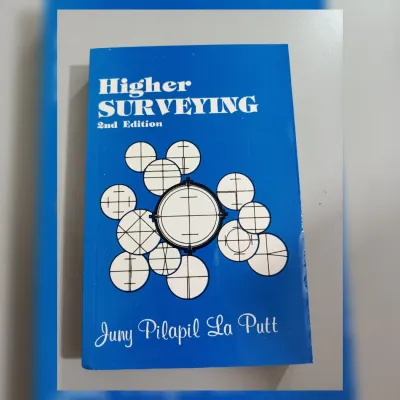

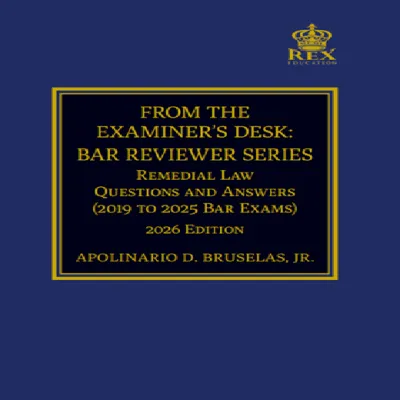
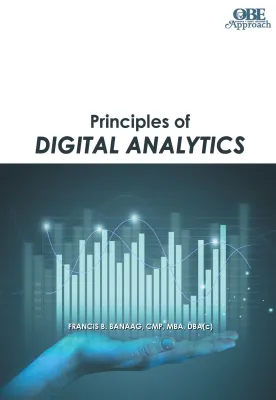
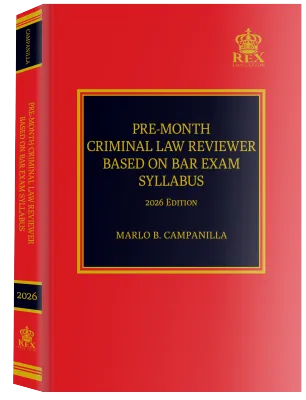
Prices are valid at publication and may change. Please refer to the product page for the latest price.
Core Criteria for Evaluating eBook Platforms
Digital Rights Management (DRM) is the first technical barrier to check. Many academic publishers restrict printing to a small percentage of pages or block copy-pasting entirely. If you rely on physical study guides or external note-taking apps, these restrictions will heavily impact your study workflow.

Offline reading capabilities are vital for students dealing with intermittent internet connections or power outages. Verify how many devices you can authorize simultaneously. Some platforms restrict offline access to a single registered device, while others allow syncing across your phone, tablet, and laptop.
Format compatibility determines how readable the text is on your device. Fixed-layout PDFs preserve exact page numbers, which is crucial for following classroom lectures, but they are difficult to read on small smartphone screens. Reflowable ePub formats adjust to your screen size but often lack consistent page-numbering references.
Pricing models vary widely, from perpetual purchases to semester-long rentals and monthly subscriptions. A perpetual purchase grants lifetime access but can cost upwards of ₱4,000 per title. Semester rentals (usually 90 to 180 days) offer a more budget-friendly alternative, while subscription models provide access to a broad catalog for a recurring fee of around ₱600 per month.
Types of eBook Platforms Available to Students
Navigating the digital textbook market requires understanding the distinct categories of platforms available. Each type serves a specific academic need, ranging from highly localized curriculum guides to massive global reference libraries.
Local Academic and University-Affiliated Portals
For courses in Philippine history, local governance, taxation, and regional literature, textbooks must align with the Commission on Higher Education (CHED) guidelines. Local academic portals and university-press digital storefronts are the primary sources for these specialized materials, hosting titles written by local educators specifically for the Philippine context.
Many local universities partner directly with digital distributors to provide course materials. Students can log in using their institutional credentials to access assigned readings for free. This integration ensures that the digital copy matches the exact syllabus requirements of your department.
However, these portals rarely carry the extensive, high-cost international editions required for advanced STEM or specialized medical fields. For those global resources, students must look to international alternatives.
Global Mainstream eBook Retailers
Global digital bookstores offer an unmatched selection of standard international editions. If your course uses widely recognized textbooks in economics, computer science, or general chemistry, these platforms are highly likely to have them in stock.
A major hurdle for students in the Philippines is geo-blocking. Some international publishers restrict digital distribution rights by region, meaning a textbook available to a student in North America might be marked as unavailable when you search from Manila. Furthermore, prices are often converted directly from foreign currencies, making a single textbook cost upwards of ₱5,000.
Purchasing from global retailers usually requires using their proprietary e-reader apps or hardware. This lock-in means you cannot easily export your books to other reading applications, and you must rely on their specific cloud syncing features to keep your highlights and notes intact across devices.
Direct Publisher and Academic Aggregators
Major global academic publishers operate their own digital platforms or distribute through specialized educational aggregators. These platforms go beyond simple reading by offering interactive elements, such as embedded quizzes, video tutorials, and digital flashcards designed to reinforce complex concepts.
Because these platforms cater directly to the academic market, they enforce some of the strictest DRM policies. Access is almost always time-bound, typically expiring after a single semester or academic year. The software is highly proprietary, requiring specific browser extensions or dedicated desktop applications to view the content.
A critical factor for many college courses is the inclusion of an access code. Professors often use these publisher-specific platforms to assign homework, conduct online quizzes, and sync grades directly with the university’s learning management system. Buying a standard retail eBook might leave you without this vital access code, forcing you to purchase a separate digital add-on.
Step-by-Step Verification Before You Buy or Rent
First, cross-reference the 13-digit ISBN on your official syllabus. Never rely solely on the book title or cover image, as publishers frequently release multiple editions of the same textbook with minor updates but entirely different page numbering and chapter questions.
Next, check device and operating system compatibility. Before processing your payment in ₱, verify that the platform’s reading application runs smoothly on your primary study device. Some advanced interactive textbooks require a laptop or desktop computer and will not render properly on mobile screens.
Then, review DRM and export limitations. If your study method involves creating digital flashcards or compiling notes in external apps, test or research the platform’s copy-paste limits. Some platforms restrict copying to just a few sentences at a time.
Finally, confirm access code requirements with your professor. Ask explicitly if the course requires a digital access code for graded assignments or exams. If it does, buying a standalone eBook from a general retailer will not suffice, and you must purchase the specific publisher package that includes the interactive portal license.
Decision Framework: Matching the Platform to Your Needs
To make the most cost-effective and practical choice, use this structured decision framework before committing your funds.
Choose local university-affiliated portals and local academic publishers if your course syllabus focuses on Philippine law, local business case studies, or regional history. These are the only platforms that guarantee alignment with Philippine-specific educational standards.
Opt for global mainstream eBook retailers for general education subjects, global business, or introductory sciences that use standard global editions. Compare rental prices against purchase prices to see if you can save money on books you will not need after the semester.
Select direct publisher platforms or specialized academic aggregators if your professor utilizes online homework portals, interactive quizzes, or direct LMS grade syncing. This ensures you secure the necessary access codes.
Always log into your university library’s digital portal before spending a single Peso. Many Philippine universities subscribe to massive academic databases and digital libraries, allowing you to read or download your required textbooks completely free of charge.
Frequently Asked Questions (FAQ)
Can I share or resell my digital textbooks after the semester?
Unlike physical textbooks, which you can easily sell to underclassmen or share with a friend, digital textbooks are bound by strict licensing agreements. When you purchase an eBook, you are generally buying a personal, non-transferable license to view the content. DRM restrictions prevent you from transferring the file to another user’s account or device, and there is currently no legal mechanism to resell digital textbook licenses in the Philippines.
Do I need a constant internet connection to read my textbooks?
No, most major eBook platforms do not require a continuous internet connection, provided you plan ahead. You will need a stable connection initially to download the book to your device’s local storage through the platform’s official app. Once fully downloaded, you can read the text offline. However, interactive features like online quizzes, video content, and cloud syncing for your notes and highlights will remain disabled until you reconnect to the internet.
Community discussion
Share your experience or ask a question. Comments are reviewed before publication.