
Collecting vintage bass amplifiers requires balancing historical significance, tonal character, and physical preservation. A truly collectible bass amp is not merely old; it represents a milestone in audio engineering that delivers a distinct, irreplaceable sound while retaining its financial value through original components and structural integrity. For musicians and audio enthusiasts alike, these amplifiers are functional historical artifacts that capture the raw, analog warmth of classic recordings. However, navigating this market requires a discerning eye, especially when evaluating how age, wear, and environmental factors affect both the sound and the long-term investment potential of these heavy-duty machines.
In tropical regions such as the Philippines, the pursuit of vintage audio gear comes with a unique set of environmental considerations. High humidity and ambient heat can accelerate the degradation of delicate paper speaker cones, wooden cabinets, and internal electronic components. Consequently, understanding how to identify, inspect, and preserve these rare pieces is essential for protecting your investment. Whether you are searching for the deep, saturated warmth of an all-tube powerhouse or the punchy, immediate response of an early solid-state design, a systematic approach to evaluation will ensure that your vintage bass amplifier remains a centerpiece of your collection for years to come.
Defining Collector Value in Vintage Bass Amps
To build a valuable collection, you must first distinguish between a standard used amplifier and a genuinely collectible vintage piece. Many older amplifiers are simply outdated utility tools that offer little in the way of unique tone or historical interest. A collectible amplifier, by contrast, possesses a combination of historical significance, brand heritage, and a direct connection to the evolution of popular music. These units often represent the first successful implementation of a specific circuit design or were the preferred tools of pioneering bassists who defined the sound of their respective eras.
Products mentioned in this guide
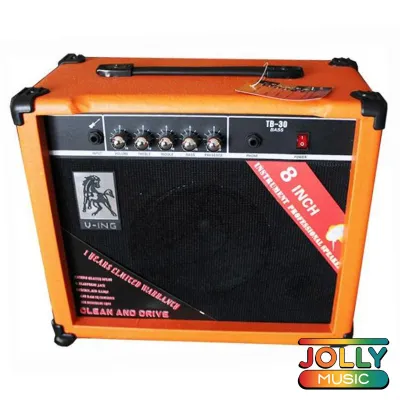
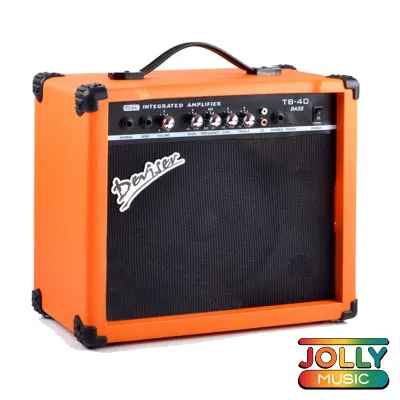
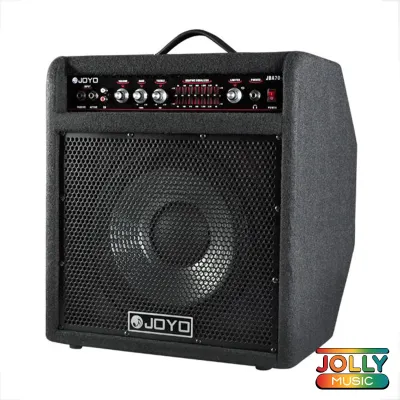
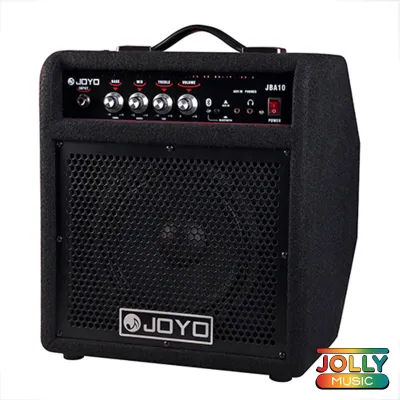
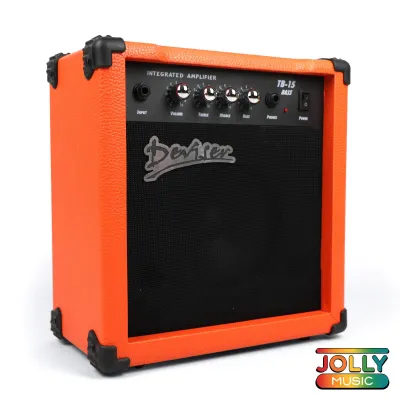


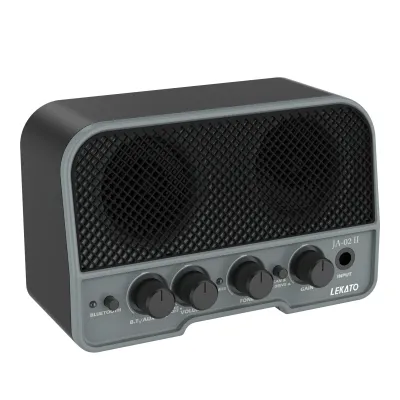
Prices are valid at publication and may change. Please refer to the product page for the latest price.
Brand heritage plays a massive role in establishing market demand. Manufacturers that pioneered bass-specific amplification in the mid-twentieth century created benchmarks for low-end reproduction that modern digital modelers still attempt to replicate. The historical significance of these brands is tied to their engineering breakthroughs, such as developing high-power output stages that could handle the immense energy required to project low frequencies without immediate distortion. When an amplifier model is associated with iconic recordings or legendary concert tours, its desirability among collectors rises significantly.
Rarity and production volume are equally critical factors in determining financial appreciation. Limited production runs, transitional models with unique cosmetic features, or amplifiers featuring rare, short-lived circuit variations tend to command the highest premiums. However, rarity alone does not guarantee value; the amplifier must also deliver a highly sought-after tonal signature. An uncommon amplifier that sounds muddy or unreliable will rarely appreciate as quickly as a slightly more common model known for its exceptional warmth, punch, and harmonic richness.
Ultimately, the true value of a collectible bass amplifier lies in its authenticity. A pristine, unmodified unit with its original transformers, speakers, and cabinet materials will always hold its value better than a heavily modified equivalent. While modifications might make an amplifier more practical for daily gigging, they strip away the historical integrity that collectors prize. Understanding this balance between functional utility and historical preservation is the foundation of successful vintage gear collection.
Key Eras and Circuit Designs to Look For
The history of bass amplification is defined by the constant struggle to produce clean, high-volume low frequencies. Unlike electric guitars, which operate primarily in the mid-range, bass guitars require significantly more power and larger speaker configurations to move enough air to be heard clearly alongside a full band. This physical reality drove rapid technological innovation from the 1950s through the 1970s, resulting in distinct eras of circuit design that collectors target today.

The golden age of all-tube designs remains the most revered era for many tone purists. These amplifiers rely on vacuum tubes for both the preamplifier and power amplifier stages, utilizing massive, heavy transformers to deliver power to the speakers. The tonal hallmark of an all-tube vintage bass amp is its natural compression and rich harmonic saturation. As the volume increases, the tubes gently clip, producing a warm, thick overdrive that blends seamlessly into a mix. However, these designs are incredibly heavy, often weighing upwards of thirty kilograms, and they generate significant heat, which requires adequate ventilation and regular maintenance.
During the late 1960s and early 1970s, the music industry began transitioning toward solid-state and hybrid circuits. Early solid-state designs replaced fragile vacuum tubes with transistors, offering musicians lighter, more reliable, and more affordable alternatives. While some early solid-state amplifiers were criticized for having a harsh, sterile sound when pushed into distortion, the best examples of this era are celebrated for their immense clean headroom and lightning-fast transient response. This immediate, punchy attack became a defining characteristic of funk, fusion, and progressive rock styles, making specific early solid-state models highly collectible for players who value clarity and definition.
Hybrid designs emerged as a compromise, combining a vacuum tube preamplifier with a solid-state power amplifier. This configuration allowed players to experience the warm, touch-sensitive preamp distortion of tubes while benefiting from the lightweight power and reliability of a solid-state output section. These hybrid units represent an important evolutionary step in bass amplification history and offer a unique tonal middle ground that appeals to both players and collectors.
The evolution of speaker cabinets and baffle boards also heavily influenced the sound of these eras. Early vintage cabinets often featured sealed designs, which provided a tight, controlled low-end response with a natural roll-off in the lowest frequencies. Later, ported or bass-reflex cabinets became common, using tuned vents to boost the bass response and increase overall efficiency. The materials used in these cabinets, ranging from solid pine to heavy birch plywood, contribute significantly to the resonance and projection of the amplifier, making the original cabinet an essential component of any complete vintage rig.
Essential Inspection Checklist Before Buying
Purchasing a vintage bass amplifier is a significant investment that requires a thorough, systematic inspection. Because these units are often decades old, they have likely endured years of transport, stage use, and potentially poor storage conditions. Before committing to a purchase, you must carefully evaluate both the cosmetic exterior and the internal electronic components to ensure you are getting a genuine, safe, and functional piece of history.
Begin with a comprehensive visual and physical inspection of the amplifier’s exterior. Examine the cabinet’s structural integrity, looking for loose joints, cracked wood, or signs of water damage, which can cause plywood to delaminate. Inspect the tolex covering for tears, peeling, or non-original repairs, and check the grille cloth for snags, stains, or dry rot. Pay close attention to the metal chassis; look for signs of rust or pitting, which are common indicators of exposure to high humidity or salty coastal air. A rusted chassis not only detracts from the cosmetic value but can also lead to poor electrical grounding and component failure.
Next, focus on the electrical safety and internal component integrity. Vintage amplifiers, particularly tube models, operate under extremely high internal voltages that can remain stored in the filter capacitors even when the unit is unplugged. For safety reasons, unless you are an experienced technician, you should have a professional open the chassis to inspect the internal circuitry. Key areas to verify include the date codes on the power and output transformers, which should match the manufacturing era of the amplifier. Look for signs of aging capacitors, such as bulging ends, white or brown residue leaking from the seals, or an excessive background hum when the amplifier is powered on.
Inspect the tube sockets for signs of corrosion, loose tension, or burn marks, which can cause intermittent connections and noise. It is also vital to check the wiring harness for any brittle insulation, amateur solder joints, or modern modifications that deviate from the original schematic. Replaced potentiometers, modern plastic jacks, or altered tone circuits can significantly reduce the collector value of the amplifier, even if they improve its daily reliability.
Finally, evaluate the speakers and drivers housed within the cabinet. Remove the grille cloth or back panel if possible to inspect the speaker cones for tears, punctures, or voice coil rub. Gently press on the speaker cone with even pressure to ensure it moves smoothly without scratching or resistance. Verify whether the speakers are original to the cabinet by checking the manufacturer codes stamped on the basket or magnet. Re-coned speakers or modern replacements may keep the cabinet functional, but they alter the authentic vintage tone and lower the overall market value of the setup.
Navigating the Vintage Market and Pricing Factors
The vintage amplifier market can be challenging to navigate, with prices varying wildly based on condition, originality, and geographic location. To avoid overpaying, you must understand the primary factors that drive pricing and learn how to verify the authenticity of a seller’s claims. A disciplined approach to research and negotiation will help you acquire high-quality pieces that are likely to maintain or increase their value over time.
Originality is the single most influential factor in vintage amplifier pricing. An amplifier that is entirely original, down to the capacitors, tubes, and speaker cones, will always command a premium price. Conversely, every replaced component, cosmetic blemish, or non-original modification reduces the market value. Original accessories, such as the factory-supplied footswitch, slipcovers, or original user manuals, are highly prized by collectors and can add substantial value to a complete package. When comparing listings, always prioritize units with documented originality over those that have been heavily modified for modern convenience.
Buying a “project” amplifier—one that is non-functioning, missing parts, or heavily modified—carries significant financial risk. While the initial purchase price may seem like a bargain, the cost of sourcing period-correct vintage parts can quickly exceed the amplifier’s restored market value. Finding original transformers, vintage-correct speakers, or NOS (New Old Stock) vacuum tubes is increasingly difficult and expensive. In contrast, purchasing a fully serviced, documented unit from a reputable dealer or specialist often represents better long-term value, as the cost of professional restoration has already been absorbed by the previous owner.
When evaluating a potential purchase, never rely solely on verbal assurances regarding the amplifier’s history or condition. Ask the seller for clear, high-resolution photographs of the internal chassis, transformer codes, and speaker markings. If the seller claims the amplifier has been recently serviced, request copies of the service receipts detailing exactly what work was performed and which components were replaced. If you are purchasing a high-value item locally, arranging to meet at a professional technician’s workshop for an independent inspection is an excellent way to verify the amplifier’s authenticity and safety before finalizing the transaction.
Maintaining and Preserving Your Vintage Bass Amp
Once you have acquired a vintage bass amplifier, proper maintenance and preservation are essential to protect both its tonal quality and its financial value. Unlike modern solid-state gear, vintage electronics require active care and a controlled environment to prevent premature wear and degradation. By establishing a routine preservation routine, you can ensure your amplifier remains reliable and valuable for decades to come.
For high-wattage tube amplifiers, proper power-up and power-down procedures are critical for extending the life of the vacuum tubes and internal components. Always ensure the amplifier is connected to a speaker cabinet of the correct impedance before turning it on; operating a tube amp without a proper load can instantly destroy the output transformer. When powering up, turn on the main power switch first and allow the tubes to warm up in standby mode for at least two minutes before switching the standby mode off. This prevents thermal shock to the cold tube filaments. When you are finished playing, turn off the standby switch first, wait a moment, and then turn off the main power. Allow the amplifier to cool down completely before moving it, as hot tube filaments are highly susceptible to damage from physical shocks.
Environmental control is the most critical aspect of preserving vintage gear, especially in tropical climates like the Philippines. High humidity is a major threat, as it promotes the growth of mold and mildew on wooden cabinets, speaker cones, and grille cloths. Moisture also accelerates the corrosion of metal chassis parts, tube sockets, and potentiometer contacts, leading to scratchy controls and electrical failures. To combat this, store your vintage amplifiers in a climate-controlled room with a dedicated dehumidifier. Keep the relative humidity between 45% and 55% to prevent wood warping and metal oxidation. Avoid storing gear in damp basements, unventilated closets, or areas exposed to direct sunlight, which can fade tolex and dry out speaker surrounds.
Finally, know when to step away from DIY troubleshooting and consult a qualified professional. While basic cleaning of the exterior and replacing worn-out tubes can often be done at home, any internal electrical work must be left to an experienced technician. Vintage amplifiers contain large filter capacitors that store lethal electrical charges long after the unit is unplugged. Tasks such as replacing filter capacitors, adjusting the bias of new power tubes, or repairing structural cabinet damage require specialized tools and knowledge. Establishing a relationship with a trusted local technician who respects the historical integrity of vintage circuits is the best way to keep your collection in peak performing condition.
Frequently Asked Questions (FAQ)
Are solid-state vintage bass amps worth collecting?
Yes, specific solid-state vintage bass amplifiers are highly collectible, particularly those from the late 1960s and 1970s that represent milestones in early transistor technology. While tube amplifiers often dominate the collector market, early solid-state units are prized for their pristine clean headroom, rapid transient response, and distinct punchy attack. Collectors look for models that feature unique early preamp designs, robust build quality, and iconic cosmetic styling. These amplifiers offer a reliable, low-maintenance alternative to tube gear and deliver a specific, tight low-end tone that is highly sought after for genres like funk, fusion, and early slap bass. Originality and cosmetic condition remain key drivers of value for these solid-state classics.
How do I verify if a vintage bass amp has original transformers?
Verifying the originality of the transformers requires inspecting the physical stamps, part numbers, and manufacturer date codes on the transformer casings. Most vintage transformers feature EIA (Electronic Industries Alliance) codes that indicate the manufacturer and the week and year of production. These codes should align closely with the manufacturing date of the amplifier chassis itself. Additionally, inspect the mounting hardware and surrounding chassis area for signs of replacement. Mismatched screws, newly drilled holes, or non-original solder joints on the transformer leads are strong indicators that a transformer has been replaced. Because the output transformer is critical to both the authentic tone and the market value of a vintage amp, verifying these codes is an essential step before purchasing.
Community discussion
Share your experience or ask a question. Comments are reviewed before publication.