
Finding official SB19 and BINI vinyl records from PolyEast Records requires navigating a highly selective landscape of limited-edition physical releases. As Pinoy Pop (P-Pop) continues to capture global attention, the demand for physical memorabilia has surged, turning vinyl records into highly prized collector’s items. However, because physical vinyl production is a complex and resource-intensive process, not every digital single or CD album receives a corresponding vinyl release. To build a genuine collection, music enthusiasts must know how to verify official releases, evaluate product specifications, and navigate both primary and secondary markets safely.
To determine which SB19 or BINI albums are officially available on vinyl, collectors must cross-reference official label announcements with verified artist merchandise stores. PolyEast Records, as a prominent established record label in the Philippines, manages its physical catalog with distinct release schedules and product identifiers. Relying on unverified third-party listings or fan-made concepts can lead to purchasing unauthorized bootlegs or overpaying for non-existent editions. This guide provides a comprehensive framework for identifying authentic PolyEast vinyl releases, conducting essential pre-purchase checks, and preserving your physical media in tropical conditions.
Understanding PolyEast Records' P-Pop Vinyl Releases
PolyEast Records has long been a cornerstone of the Philippine music industry, handling the production, distribution, and marketing of numerous local and international artists. When a P-Pop group partners with a major label or distribution partner for a physical release, the production of vinyl records is treated as a premium, highly coordinated event. Unlike digital releases that are instantly accessible worldwide, physical vinyl records require months of planning, mastering, and manufacturing, which means their availability is always limited and highly structured.
Products mentioned in this guide

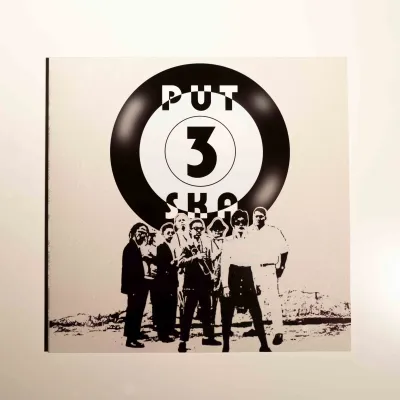
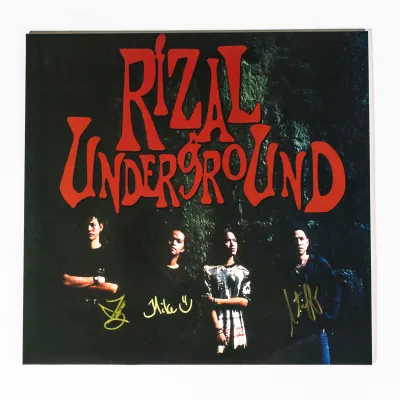


Prices are valid at publication and may change. Please refer to the product page for the latest price.
To confirm whether a specific SB19 or BINI album has an official vinyl pressing, collectors should always start by checking the official website and verified social media channels of PolyEast Records. The label regularly publishes catalog updates, pre-order announcements, and official press releases detailing their physical music lineup. If an album does not appear in the official PolyEast catalog or has never been announced through their verified communication channels, any vinyl copy circulating online is highly likely to be an unauthorized fan-made pressing.
It is essential to distinguish between standard CD releases, digital albums, and limited-run vinyl pressings. A digital release or a CD version of an album does not automatically guarantee that a vinyl edition will follow. Vinyl manufacturing requires a dedicated audio mastering process optimized for analog playback, which is entirely different from the mastering used for digital streaming platforms. Consequently, labels typically reserve vinyl pressings for landmark albums, special anniversary editions, or highly successful releases that justify the high cost of analog production.
Furthermore, collectors must understand that physical vinyl releases often occur long after the initial digital debut of an album. Due to global backlogs at vinyl pressing plants, there can be a delay of several months or even a year between the time an album drops on streaming services and the release of its physical vinyl counterpart. Tracking official label announcements and signing up for newsletter updates from authorized distributors is the most reliable way to stay informed about upcoming pre-order windows and release dates.
Essential Pre-Purchase Checks for P-Pop Vinyl
Before committing to a purchase, collectors must carefully verify the technical and content specifications of the vinyl record to ensure it meets their expectations. One of the first details to check is the tracklist completeness and how the songs are split across the sides of the record. Because a standard 12-inch vinyl record can comfortably hold about 22 minutes of high-quality audio per side at 33 1/3 RPM, longer albums may be split across two discs (a double LP or 2LP set). Verifying the tracklist ensures you know exactly which songs are included and whether any digital-only bonus tracks have been omitted from the physical release.

The physical specifications of the vinyl disc itself are also critical indicators of quality and durability. Collectors should check the product description for the record’s weight, which is typically measured in grams, such as 140-gram or 180-gram pressings. Heavier 180-gram vinyl records are generally more robust, less prone to warping over time, and provide a more stable platform for the turntable needle. This is an especially important consideration for collectors living in the tropical climate of the Philippines, where high ambient temperatures and humidity can affect thinner vinyl discs.
Color variants are another key aspect of modern P-Pop vinyl releases, with labels frequently offering limited-edition colored wax, picture discs, or marbled designs to complement the album’s visual theme. While colored vinyl is highly collectible, buyers should verify the official color variants authorized by PolyEast Records. Unscrupulous sellers may sometimes misrepresent a standard black vinyl pressing as a rare colored variant, or charge inflated prices for common editions. Always cross-reference the product’s barcode or catalog number to confirm the exact variant you are purchasing.
In addition to the vinyl disc itself, the packaging and included inserts play a significant role in the overall value of a P-Pop release. Official vinyl packages often feature gatefold jackets, printed inner sleeves, lyric booklets, exclusive posters, or collectible photocards of the group members. When purchasing a record, especially from secondary sellers, always ask for a detailed list of included items to ensure that no collectible inserts have been removed. The presence of these original inclusions is vital for maintaining the record’s long-term collector value.
Finally, verify any regional restrictions or compatibility details associated with the release. While vinyl records themselves are globally compatible with any standard turntable, any included digital download codes or interactive media access may be restricted to specific regions or platforms. Checking these details beforehand prevents disappointment and ensures you can fully enjoy all aspects of your physical purchase.
Navigating Official and Secondary Markets
Locating official PolyEast vinyl records requires a strategic approach, starting with authorized physical record stores and official online music retailers in the Philippines. Established music chains and independent record shops located in major metropolitan areas like Metro Manila are the primary retail partners for official label releases. Purchasing directly from these authorized dealers guarantees that you are receiving an authentic product and that your support directly benefits the artists and the label.
When official retail stock is completely sold out, collectors must turn to the secondary market to find out-of-print or highly sought-after pressings. Navigating the secondary market requires caution, as prices can fluctuate wildly based on perceived scarcity and demand. When evaluating listings on online marketplaces, social media collector groups, or auction sites, always look for sellers who provide clear, high-resolution photos of the actual physical record in their possession. Avoid listings that rely solely on stock images or promotional graphics, as these may not accurately represent the item’s true condition or authenticity.
Budgeting for physical media in the Philippines involves accounting for more than just the base price of the record. Because vinyl records are heavy, fragile, and sensitive to heat, shipping costs can add a significant premium to your purchase. When buying online, factor in the cost of secure packaging, such as sturdy cardboard mailers and bubble wrap, to protect the record during transit. Always calculate the total cost in ₱, including local shipping fees, and compare it against the original retail price to determine if the secondary market markup is reasonable.
A major risk in the secondary market is the presence of unauthorized bootlegs, custom-pressed fan duplicates, or mislabeled listings. Some unauthorized sellers offer “lathe-cut” records or custom pressings of popular albums by SB19 or BINI, claiming they are rare or exclusive editions. These bootlegs are not authorized by PolyEast Records or the artists, are often made from low-quality digital sources, and do not carry any official collector value. To protect your investment, avoid purchasing from sellers who cannot verify the official catalog number or provide proof of purchase from an authorized retailer.
To minimize transaction risks, prioritize purchasing from reputable secondary sellers who have positive feedback and a proven track record within the local vinyl community. Use secure payment methods that offer buyer protection, and avoid direct bank transfers to unverified individuals. If possible, arrange for in-person meetups at secure, public locations where you can personally inspect the record’s condition and verify its authenticity before completing the transaction.
Inspecting Authenticity and Record Condition
Once you have acquired a vinyl record, conducting a thorough physical inspection is essential to verify its authenticity and assess its condition. Start by examining the outer packaging, paying close attention to the print quality of the jacket artwork. Official PolyEast Records releases feature sharp, high-resolution printing, clear text on the spine, and accurate placement of official logos, barcodes, and copyright information. Blurry or pixelated images, spelling mistakes, or poorly aligned text are strong indicators of a counterfeit or bootleg copy.
Next, locate and verify the matrix numbers etched into the run-out groove of the vinyl disc. The run-out groove is the smooth, mirror-like band of vinyl located between the final track of a side and the paper label in the center. During the manufacturing process, a unique alphanumeric code is stamped or hand-etched into this area, representing the specific master lacquer used for the pressing. This matrix number should match the official catalog number listed in the PolyEast Records database or verified discography databases, serving as a definitive proof of authenticity.
Checking the physical condition of the vinyl disc is crucial for ensuring optimal playback and preventing damage to your turntable’s stylus. Place the record on a flat surface or a turntable platter and watch it spin to check for warping. In the Philippines, high heat and humidity can easily cause vinyl records to warp if they are stored flat, stacked horizontally, or exposed to direct sunlight. A warped record can cause the tonearm to bounce, leading to audio distortion, skipping, and potential wear on your cartridge.
In addition to checking for warps, inspect the surface of the vinyl under a bright, direct light source to identify any physical defects. Look for hairline scratches, deep scuffs, or pressing defects like non-fill (where the vinyl did not completely fill the mold during pressing) or off-center spindle holes. An off-center spindle hole will cause the tonearm to sway side-to-side during playback, resulting in pitch instability known as wow and flutter. If you notice any of these physical defects, they should be addressed immediately with the seller.
Finally, understand the return and exchange policies of the retailer or seller from whom you purchased the record. Authorized music stores typically offer a specific return window for defective media, provided you can present proof of purchase and demonstrate the playback issue. When buying from secondary market sellers, establish the return terms before finalizing the transaction, and consider filming an unboxing and initial playback video to document any pre-existing damage or defects.
Frequently Asked Questions (FAQ)
Does PolyEast Records release every SB19 and BINI album on vinyl?
No, PolyEast Records does not release every album or single by SB19 and BINI on vinyl. Physical vinyl pressings are highly selective, limited-edition runs that depend on licensing agreements, manufacturing capacity, and market demand. Because vinyl production involves high manufacturing costs and long production lead times, many releases remain exclusive to digital streaming platforms or standard CD formats. Collectors should always rely on official announcements from PolyEast Records and the artists’ official channels rather than assuming a vinyl version exists for every release.
How can I tell if a listed PolyEast vinyl record is a bootleg?
You can identify an unauthorized bootleg by checking for low-resolution cover art, pixelated text, missing barcodes, and the absence of official PolyEast Records logos or copyright text. Additionally, inspect the run-out groove for a valid matrix number that matches the official catalog. If a seller is offering a vinyl version of an album that has never been officially announced or released by PolyEast Records or the artists, it is an unauthorized fan-made pressing that lacks official collector value and sound quality.

Community discussion
Share your experience or ask a question. Comments are reviewed before publication.