
Collecting old magazines from the golden eras of Philippine entertainment offers a tangible, nostalgic window into the country’s vibrant pop culture history. From the mid-century weekly chronicles to the glossy, high-production monthlies of the 1990s and 2000s, these publications capture the evolving landscape of local celebrity culture. Whether you are searching for vintage songbooks, classic movie star chronicles, or the comprehensive celebrity profiles of the early digital age, building a collection requires a keen eye for physical condition, historical context, and preservation.
Why Collect Classic Philippine Entertainment Magazines?
These publications serve as physical time capsules, capturing the essence of past decades in a way that digital archives rarely can. When you open a vintage entertainment magazine, you are not just looking at photos of iconic stars; you are experiencing the exact layout, advertising, and editorial tone that shaped the daily lives of readers during that period. They document the shifting landscapes of local fashion, consumer products, and societal aspirations, making them invaluable resources for cultural historians and nostalgic collectors alike.
The evolution of celebrity journalism in the Philippines is written across these pages. In the early days, coverage was highly stylized and closely managed by major film studios, presenting stars as distant, flawless icons. Over the decades, this approach transformed into a more candid, investigative style of gossip reporting that sought to humanize celebrities, revealing their personal struggles, triumphs, and behind-the-scenes realities. Tracking this editorial shift provides a fascinating look at how public curiosity and journalistic boundaries have changed over time.
Products mentioned in this guide
![[PRE-LOVED OLD COPY] Cosmopolitan Magazine June 2012 KIM CHIU](https://img.lazcdn.com/g/p/56715164b0249309c8d047a83a857a72.jpg_400x400q80.jpg_.webp)
![[PRE-LOVED OLD COPY] Cosmopolitan Magazine July 2013 MAJA SALVADOR](https://img.lazcdn.com/g/p/e89060e97899c88fe48e508068b1b2f8.jpg_400x400q80.jpg_.webp)
![[PRE-LOVED OLD COPY] ROGUE Magazine MAY 2017 KIANA VALENCIANO](https://img.lazcdn.com/g/p/eda229dfe2b760a6f20bd521f033f443.jpg_400x400q80.jpg_.webp)
![[PRE-LOVED OLD COPY] MARIE CLAIRE Magazine Philippines October 2006 KC CONCEPCION](https://img.lazcdn.com/g/p/870ddf41f51b676a056adb41b96176bd.jpg_400x400q80.jpg_.webp)
![[PRE-LOVED OLD COPY] Preview Magazine March 2013 JODI STA. MARIA](https://img.lazcdn.com/g/p/b937cc0651a1e6594874e8f2c80d3282.jpg_400x400q80.jpg_.webp)
![[PRE-LOVED OLD COPY] YES Magazine November 2009 CHARICE](https://img.lazcdn.com/g/p/35f20ad40b25bb1a87473196b647818a.jpg_400x400q80.jpg_.webp)
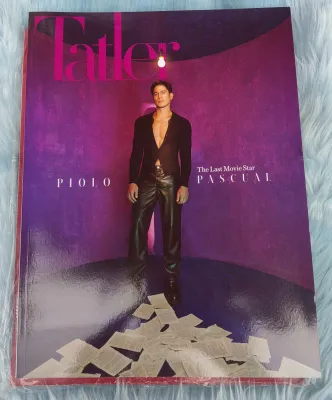
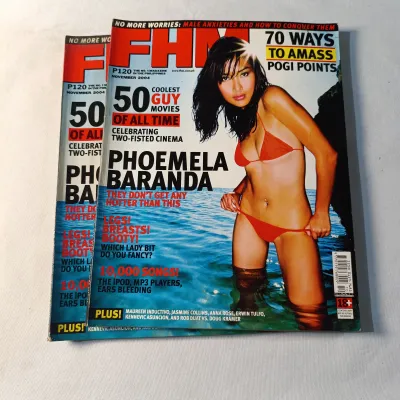
Prices are valid at publication and may change. Please refer to the product page for the latest price.
Beyond their historical value, classic entertainment magazines possess a distinct visual appeal. The bold typography, hand-drawn illustrations of the mid-20th century, and dramatic studio photography of later decades reflect the design trends and printing technologies of their respective eras. The cover art alone often functions as a standalone piece of graphic design history, showcasing the creative efforts of local photographers, layout artists, and editors who worked within the physical limitations of print media.
Key Eras and Editorial Styles in Local Showbiz Print
To build a meaningful collection, it is helpful to understand the distinct historical periods and editorial formats that define local entertainment print media. The journey begins with the mid-century weekly publications, which dominated the scene from the 1950s through the 1970s. These magazines were often printed on lightweight newsprint and featured a mix of serialized novels, movie fan club updates, and song lyrics. The tone during this era was generally supportive and celebratory, focusing on the glamour of studio-era stars and the wholesome appeal of early love teams.

As the industry moved into the 1980s, the style transitioned toward a more fast-paced, tabloid-influenced format. Weekly gossip sheets and entertainment tabloids became highly popular, featuring bold, sensational headlines and candid black-and-white photography inside. This era was characterized by a more direct, conversational relationship with the reader, often including extensive advice columns, fan mail sections, and interactive contests. The focus shifted from distant glamour to immediate, everyday drama, reflecting the high-energy nature of the local entertainment industry during this decade.
The late 1990s and 2000s marked the rise of the glossy monthly magazine, which completely redefined celebrity journalism. Publications during this period adopted high-quality, heavy-weight paper, sophisticated layouts, and a lifestyle-integrated approach to entertainment coverage. Instead of short gossip snippets, these monthlies featured exhaustive, multi-page investigative profiles, exclusive home tours, and high-fashion editorial shoots. This era combined the deep access of traditional journalism with the visual polish of international fashion publications, creating highly collectible issues that fans kept on their coffee tables for years.
How to Evaluate Condition and Authenticity Before Buying
Assessing the physical state of vintage paper is one of the most critical skills for any collector, especially given the environmental challenges of a tropical climate. When evaluating a magazine, start by grading the overall physical condition of the cover and spine. Look for cover gloss retention, as fading or scuffing significantly impacts visual appeal. Examine the spine for splitting, roll, or damage from rusted staples, which is a common issue in humid environments where metal binders degrade and stain the surrounding paper.
Next, verify the completeness of the issue. Many classic entertainment magazines gained popularity by including bonus materials such as pull-out posters, song lyric inserts, or small promotional booklets. A magazine might appear intact at first glance, but a missing centerfold poster or a clipped-out coupon drastically reduces its historical and monetary value. Take the time to flip through every page carefully to ensure that no photo spreads, fan club forms, or editorial columns have been cut out by previous owners.
Finally, learn to identify authentic publication markers to avoid modern reproductions. Authentic vintage issues possess specific characteristics unique to their era, such as the texture of the paper stock, the scent of aged paper, and period-accurate publisher logos. Older printing methods, like letterpress or early offset lithography, leave distinct ink patterns and registration marks that are easily distinguishable under a magnifying glass. Modern digital reprints often look too uniform, lack the natural aging patterns of vintage ink, or use paper stocks that are too bright and heavy for the claimed publication date.
Where to Source Vintage Entertainment Magazines Safely
Finding authentic old magazines requires exploring both physical and digital secondary markets. For those who enjoy the thrill of the hunt, physical thrift stores, antique shops, and specialized flea markets in historic commercial districts are excellent starting points. Locations with a rich history of trade often have vendors who sell unsorted boxes of vintage print media. Visiting these physical locations allows you to handle the items directly, inspect their condition, and negotiate prices face-to-face.
If you prefer a wider selection, online marketplaces, collector forums, and social media interest groups offer access to sellers from across the country. When sourcing online, verifying seller credibility is paramount. Look for sellers with established positive feedback and a history of dealing in paper ephemera. Always request detailed, high-resolution photos of the actual item under natural light, focusing on the spine, corners, and any known damage, rather than relying on stock photos or low-quality scans.
Be vigilant against common red flags when purchasing vintage media. Avoid listings with vague descriptions like “good vintage condition” that lack supporting photographs of the interior pages. Watch out for listings where the price seems unusually low for a highly sought-after issue, as this can indicate a digital reprint or a heavily damaged copy. If a seller is unwilling to provide close-up photos of the copyright page, printing codes, or staple areas, it is safer to pass on the item and continue your search elsewhere.
Best Practices for Storing and Preserving Vintage Paper
Preserving delicate paper items in a tropical environment requires proactive care to prevent degradation from heat, humidity, and pests. The first step is selecting archival-quality storage materials. Place each magazine in an acid-free, chemically inert protective sleeve made of polypropylene or polyester. Insert an acid-free backing board behind the magazine inside the sleeve to provide structural support, prevent warping, and keep the spine straight. Avoid cheap vinyl sleeves, which can release harmful acids as they degrade over time.
Managing environmental risks is crucial for long-term preservation. High relative humidity encourages mold growth and accelerates the breakdown of paper fibers, while direct sunlight fades cover inks rapidly. Store your collection in a cool, dry room with consistent air circulation, away from exterior walls and direct light sources. Utilizing sealed plastic storage boxes with silica gel packets can help control moisture levels, but remember to check and replace the desiccant packets periodically to ensure they remain effective.
Safe handling techniques will keep your collection in excellent condition for years to come. Always wash and dry your hands thoroughly before touching vintage paper to remove natural skin oils, or wear clean, lint-free cotton gloves. When reading or displaying an issue, support the entire body of the magazine rather than letting the pages hang freely. Avoid folding the covers back or laying the magazine flat-open face down, as these actions place immense stress on fragile bindings and aged adhesives, leading to loose pages and split spines.
Frequently Asked Questions (FAQ)
How can I tell if a vintage magazine is an original print or a later reprint?
Original prints from past decades exhibit distinct physical characteristics that are difficult to replicate. Look closely at the paper stock; older weekly publications typically used lightweight, high-acid newsprint that yellows unevenly over time, particularly along the edges. Under magnification, original offset or letterpress printing displays characteristic dot patterns or ink impressions, whereas modern digital reprints show a highly uniform, microscopic spray of ink. Additionally, check for period-accurate local advertisements, original pricing in older denominations (such as centavos or early Peso formats), and the presence of original metal staples that may show natural, minor oxidation.
Are vintage gossip magazines with controversial covers more valuable to collectors?
Issues featuring highly publicized controversies, historic celebrity pairings, or major industry shifts often command higher interest among collectors due to their cultural significance. These covers serve as visual markers of pivotal moments in local entertainment history, making them highly desirable for thematic collections. However, historical notoriety does not override the rules of physical condition. A controversial cover that is severely damaged, water-stained, or missing pages will still hold less value than a well-preserved, complete issue of a standard monthly. Collectors prioritize complete, clean copies that preserve the visual and editorial integrity of the original publication.
Community discussion
Share your experience or ask a question. Comments are reviewed before publication.