
Collecting Mariah Carey vinyl is a deeply rewarding pursuit that spans over three decades of pop, R&B, and holiday masterpieces. As one of the best-selling artists of all time, her discography has been pressed onto vinyl across various eras, resulting in a complex landscape of original 1990s pressings, promotional copies, seasonal color variants, and modern anniversary reissues. For collectors, identifying which releases are genuinely limited or special editions requires a keen eye for physical details, manufacturing origins, and pressing variations.
To build a high-value collection, you must understand the specific markers that elevate a standard record to a prized collector’s item. This guide explores the essential criteria for evaluating these records, details the most collectible releases across her career, offers practical advice for sourcing vinyl within the Philippines, and outlines the preservation steps necessary to protect your investment from tropical environmental factors.
How to Evaluate Mariah Carey Vinyl for Collecting
Evaluating a vinyl record for its collectible value involves understanding the distinction between standard commercial releases and special editions. In the context of Mariah Carey’s discography, a “limited” or “special” edition typically refers to pressings that deviate from the standard black vinyl format. These include colored vinyl variants (such as opaque, translucent, marble, or splatter designs), picture discs that feature full-color album artwork printed directly onto the playing surface, numbered box sets, and regional exclusives. Regional exclusives, particularly those pressed for the Japanese or European markets, often feature unique packaging elements or bonus tracks that make them highly sought after by global collectors.
Products mentioned in this guide
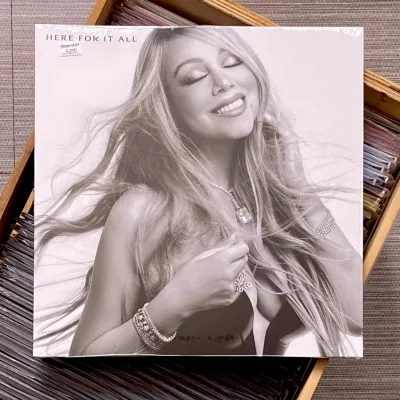
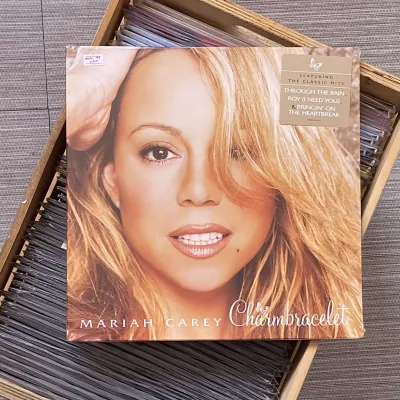
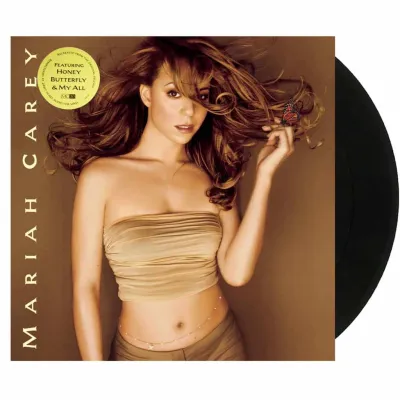
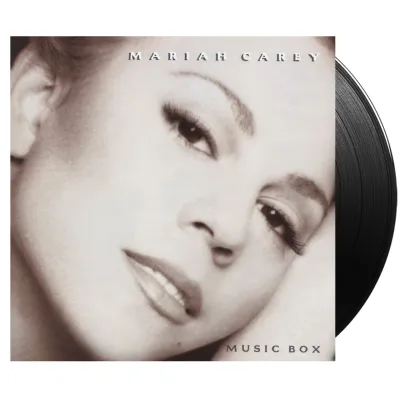
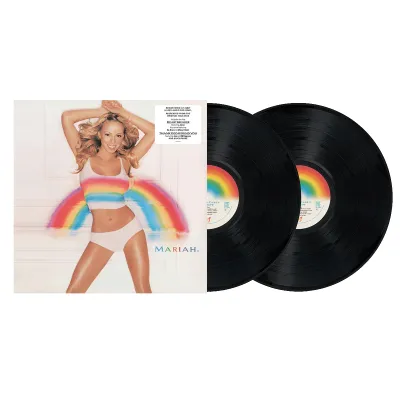
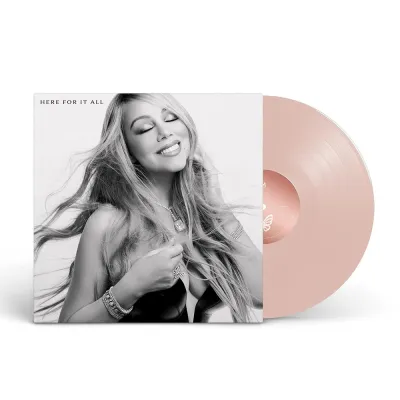
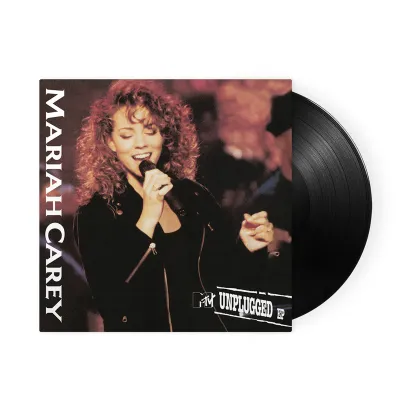
Prices are valid at publication and may change. Please refer to the product page for the latest price.
To verify the authenticity of a rare pressing, you must look beyond the cover artwork and examine the physical identifiers on the record itself. The primary identifier is the catalog number, which is typically printed on the spine of the jacket, the back cover, and the record labels. However, because counterfeiters can easily replicate jacket artwork, the ultimate source of truth lies in the matrix runout groove. This is the narrow, ungrooved “dead wax” area located between the final track and the paper label on the record. Pressing plants stamp or hand-etch specific alphanumeric codes into this area, which include the master tape identification, the cutting engineer’s initials, and the pressing plant’s mark. Cross-referencing these matrix codes with verified discography databases is the most reliable way to confirm whether a record is an authentic limited edition or a modern reproduction.
Condition grading is another critical factor that dictates both the financial value and the playability of a record. Collectors widely adhere to the Goldmine Grading Standard, which ranges from Mint (M) and Near Mint (NM) to Very Good Plus (VG+), Very Good (VG), and down to Poor (P). A rare pressing’s value is heavily dependent on the condition of both the media (the vinyl disc) and the sleeve (the jacket, inner sleeves, and inserts). Even an exceptionally rare 1990s pressing will lose a significant portion of its market value if the vinyl is covered in deep scratches that cause skips, or if the jacket suffers from severe seam splits, ring wear, or water damage.
Before purchasing rare or heavyweight vinyl formats, you must also verify that your playback equipment is properly compatible. Heavyweight pressings, such as 180-gram or 200-gram audiophile records, are thicker and heavier than standard 120-gram pressings. Playing these records on a turntable without an adjustable tonearm can lead to tracking errors or excessive stylus wear. Additionally, some special editions are cut at 45 RPM (Revolutions Per Minute) across multiple discs rather than the standard 33 1/3 RPM to maximize audio fidelity. Ensure your turntable’s speed settings and tonearm tracking force are calibrated according to the manufacturer’s specifications before playing high-value records.
Key Mariah Carey Vinyl Eras and What to Look For
Mariah Carey’s career can be divided into distinct eras, each presenting unique challenges and opportunities for vinyl collectors. Understanding the historical context of these eras helps clarify why certain pressings are rare and what specific details you should look for when browsing the market.

Early Career and Promotional Pressings
During the 1990s, the music industry experienced a massive shift toward compact discs (CDs) and cassettes, which led record labels to drastically reduce the production of vinyl LPs. Consequently, original 1990s vinyl pressings of Mariah Carey’s early studio albums—including her self-titled debut Mariah Carey (1990), Emotions (1991), Music Box (1993), Daydream (1995), and Butterfly (1997)—were printed in very limited quantities. These original pressings are highly prized today simply due to their scarcity. When evaluating an early 1990s pressing, check the country of manufacture; European and Brazilian pressings were more common during this decade, whereas original US vinyl pressings from this era are exceptionally rare.
Promotional pressings from her early career represent another highly collectible category. These records were distributed exclusively to radio stations, club DJs, and music journalists prior to the official album release. They are often identified by plain white labels (often referred to as “white label promos”), “Not for Sale” text printed on the label, or gold promotional stamps embossed on the outer jacket. Promotional 12-inch singles are particularly interesting because they frequently feature exclusive club remixes, instrumental tracks, or acapella versions by legendary producers like David Morales or Clivillés & Cole, which were never included on the standard commercial album releases.
Regional variants from this era also command a premium among collectors. Japanese vinyl pressings are highly regarded due to the exceptional quality control of Japanese pressing plants, such as Toyokasei, which used high-grade virgin vinyl that produces lower surface noise. These Japanese releases are easily recognized by their OBI strip—a paper band wrapped around the left side of the jacket containing Japanese text, release details, and pricing. When purchasing a Japanese pressing, ensure the OBI strip and the original lyric inserts are intact, as their absence significantly reduces the record’s value to serious collectors.
Holiday Classics and Seasonal Variants
No discussion of Mariah Carey’s vinyl catalog is complete without mentioning her landmark 1994 holiday album, Merry Christmas. As one of the best-selling Christmas albums of all time, it has been subjected to countless vinyl pressings, making it essential for collectors to distinguish between common reissues and genuine special editions. The most visually striking versions are the seasonal colored vinyl variants, which include translucent red, forest green, white, and clear vinyl with red and green splatter patterns. Picture discs featuring iconic holiday photography from the album sessions are also highly popular, though they are generally collected for display rather than critical listening.
When collecting holiday releases, always verify the completeness of the content. Over the years, various anniversary editions of Merry Christmas and its 2010 follow-up, Merry Christmas II You, have been released with bonus tracks, live recordings, or updated packaging. For example, some special editions include her live performances from the Cathedral of St. John the Divine in 1994. Before purchasing, cross-reference the tracklist on the back jacket with the actual labels on the vinyl to ensure you are getting the specific edition you desire, as some reissues use original cover art but omit the bonus tracks on the actual disc.
Because Merry Christmas is repressed almost every year to meet seasonal demand, you must know how to separate original limited runs from modern mass-produced copies. Original 1994 pressings feature the Columbia Records “red label” design and specific 1994 copyright dates without modern website URLs or updated barcode formats. Modern reissues, while visually appealing in various color configurations, are widely available and do not carry the same historical value. Always inspect the fine print on the back of the jacket and the matrix numbers in the runout groove to confirm the exact release year before paying a premium.
Modern Reissues and Record Store Day Exclusives
In recent years, the global vinyl revival prompted extensive reissue campaigns of Mariah Carey’s catalog, most notably the “Mc30” campaign celebrating the 30th anniversary of her debut album. This campaign saw her entire discography remastered and reissued on high-quality colored vinyl, often matching the aesthetic of each album’s era—such as gold vinyl for Daydream, honey-colored vinyl for Butterfly, and violet vinyl for Rainbow. These modern reissues have made her music accessible to a new generation of vinyl enthusiasts, but collectors must still navigate them carefully.
Record Store Day (RSD) exclusives and limited-run box sets represent some of the most sought-after modern releases. RSD releases, such as special promotional 12-inch singles or limited compilation albums like The Rarities, are pressed in strictly limited quantities and distributed only to participating independent record stores. These releases often feature unique mastering, such as half-speed mastering cuts that optimize audio fidelity by cutting the lacquer at half the normal speed, resulting in cleaner high frequencies and more controlled bass. Check the jacket stickers or inserts for mastering credits to verify if a pressing features these premium audio enhancements.
However, collectors should be cautious of assuming that all modern colored vinyl is inherently rare. Many retail-exclusive color variants are mass-produced in large quantities for major international department stores and e-commerce retailers. To determine if a modern colored vinyl release is truly limited, look for features such as individually numbered jackets (e.g., “No. 0542 of 3000”), official certificates of authenticity, or explicit production run numbers published by the record label. If a release does not feature these markers, it is likely a standard production run that happens to be pressed on colored plastic.
Navigating the Vinyl Market in the Philippines
Sourcing rare Mariah Carey vinyl in the Philippines requires a strategic approach that combines local community engagement with careful international purchasing. The local vinyl scene has grown significantly, with physical record stores and independent sellers operating across Metro Manila and other major urban hubs. Visiting specialized local record stores in areas like Cubao Expo, Makati, and Quezon City can yield unexpected finds, as these shops frequently import used vinyl crates from Japan, Europe, and the United States. Establishing relationships with local shop owners is highly beneficial, as they can often source specific pressings for you through their international distributor networks.
Online collector communities and local social media groups are also invaluable resources. Joining dedicated vinyl buy-and-sell groups in the Philippines allows you to connect directly with fellow collectors. These communities often operate on trust and shared passion, making them excellent places to find well-cared-for records without the high shipping costs associated with international platforms. When buying from independent local sellers, always ask for detailed photos of the record under bright light, and if possible, arrange for a meetup so you can personally inspect the vinyl’s physical condition and verify the matrix runout codes before finalizing the transaction.
When sourcing rare or highly specific editions that are unavailable locally, you will need to turn to international e-commerce platforms and specialized music marketplaces. When navigating these global platforms, prioritize safety and verification. Always check the seller’s feedback rating, read reviews from previous buyers, and pay close attention to their grading accuracy. Before committing to a purchase, message the seller to request high-resolution photos of the actual record jacket, the labels, and the matrix runout area. Additionally, request that the seller ship the vinyl record outside of its outer jacket (while remaining inside its inner sleeve) to prevent “seam splits”—where the heavy vinyl disc cuts through the paper edges of the jacket during transit.
Importing vinyl into the Philippines involves additional financial considerations that impact the total acquisition cost of your collection. International shipping fees for fragile, heavy items like vinyl records can be substantial, often equaling or exceeding the cost of the record itself. Furthermore, be aware of local customs regulations and import taxes. Under current guidelines, shipments with a total value (including shipping) under ₱10,000 are generally exempt from customs duties, but high-value box sets or multiple-record orders that exceed this threshold may be subject to import taxes and administrative fees at the post office or courier hub. Factor these potential costs into your purchasing decisions and convert international prices to Philippine Peso (₱) to accurately assess the true cost of a collectible.
Finally, ensure that any international seller you deal with uses a standardized grading scale, such as the Goldmine scale. Be wary of generic descriptions like “good condition” or “plays perfectly,” as these terms are highly subjective. A reputable seller should be able to provide a precise grade for both the media and the sleeve (e.g., VG+/VG) and describe any specific physical defects, such as hairline scratches, spindle marks on the label, or corner dings on the jacket. Clear communication regarding grading standards before purchasing helps prevent disappointment when your record arrives.
Essential Care and Storage for Rare Vinyl
Preserving the physical condition of your Mariah Carey vinyl collection is essential to maintaining both its monetary value and its audio quality. Vinyl is a delicate medium that is highly sensitive to environmental factors, and this is especially true in the tropical climate of the Philippines, where high temperatures and elevated humidity present constant preservation challenges.
Proper physical storage is the first line of defense against damage. Always store your vinyl records vertically, standing upright on their edges like books on a library shelf. Never stack records flat on top of one another, as the cumulative weight will cause the records in the lower half of the stack to warp over time. Warping permanently distorts the flat surface of the vinyl, making it difficult or impossible for your turntable’s stylus to track the grooves correctly. Keep your record shelves in a cool, dry room away from direct sunlight, windows, and air conditioning units that cause rapid temperature fluctuations. Because high humidity promotes the growth of mold and mildew—which can ruin paper jackets and clog the microscopic grooves of the vinyl—consider using a dehumidifier in your storage room or placing silica gel packs inside your storage bins to absorb excess moisture.
Upgrading your record sleeves is a simple yet highly effective way to prevent physical wear. Standard paper inner sleeves that come with most records are abrasive and can cause microscopic hairline scratches (known as “paper scuffs”) every time you pull the record out to play it. Replace these with high-quality, anti-static inner sleeves made from high-density polyethylene or rice paper. These specialty sleeves glide smoothly against the vinyl and neutralize static charge, which otherwise attracts airborne dust particles into the grooves. Additionally, protect the outer jacket by placing it inside a heavy-duty, clear plastic outer sleeve (typically 3-mil or 4-mil thickness) to prevent ring wear, edge scuffing, and dust accumulation.
Establishing a safe, routine cleaning regimen is crucial for maintaining optimal playback quality. Before and after every play, gently sweep the surface of the record with a carbon fiber brush to remove loose dust and static. For deeper cleaning of dirty or older used records, use an approved, alcohol-free vinyl cleaning solution and a soft microfiber cloth, wiping gently in a circular motion following the direction of the grooves. Avoid using harsh household chemicals, glass cleaners, or tap water, which contains minerals that can deposit deep inside the grooves. Be exceptionally gentle when cleaning picture discs and colored vinyl, as their unique manufacturing materials can be more sensitive to chemical degradation.
Lastly, ensure your turntable is correctly calibrated to prevent unnecessary wear on your rare pressings. A stylus that applies too much downward force (tracking force) will physically carve away the delicate vinyl grooves over time, while too little force will cause the needle to bounce, scratching the record surface. Use a digital stylus force gauge to set the tracking force precisely according to your cartridge manufacturer’s specifications. Regularly clean your stylus with a specialized stylus brush or gel pad, and replace the stylus entirely after its recommended playback hours (typically between 500 to 1,000 hours) to ensure your rare Mariah Carey records continue to sound pristine for years to come.
Frequently Asked Questions (FAQ)
How can I tell if a Mariah Carey vinyl is a first pressing?
To identify a first pressing of a Mariah Carey vinyl record, you must examine the alphanumeric codes etched or stamped into the matrix runout groove (the dead wax area near the label). Cross-reference these specific matrix numbers, along with the barcode and the record label design, with a trusted online discography database. First pressings will match the exact manufacturing codes and label layouts of the initial release year, whereas subsequent reissues or modern repressings will feature updated copyright text, different logos, modern barcodes, or different matrix numbers indicating they were cut from different master lacquers.
Are picture discs worth collecting for audio quality?
Picture discs are highly collectible for their visual appeal, unique artwork, and rarity, but they generally offer lower audio quality compared to standard black or high-quality colored vinyl. The manufacturing process of a picture disc involves placing a printed picture sheet between a central plastic core and a thin, clear plastic outer layer that contains the actual grooves. Because this clear outer layer is much thinner than a solid vinyl record, it is more prone to surface noise, pops, and background hiss. Consequently, picture discs are best suited for display or casual listening, while standard vinyl or dedicated audiophile pressings are preferred for critical listening.
Community discussion
Share your experience or ask a question. Comments are reviewed before publication.