
Choosing your first snare drum is a major milestone, and the shell material is the single most influential factor in determining its core voice. For most beginners, the choice comes down to wood, steel, or brass. While wood provides a warm, classic sound that fits almost any musical style, steel offers a bright, high-volume crack that is highly durable and budget-friendly. Brass sits in the middle, offering a premium blend of warmth and projection, though it usually comes with a higher price tag.
Understanding how these materials behave physically will help you select a drum that matches your practice space, musical tastes, and budget. By focusing on how shell construction influences tone, you can make an informed decision that keeps you motivated to practice and play.
Decoding Snare Shell Materials: What the Specs Mean for Your Sound
Shell density and thickness dictate how a snare drum vibrates when struck. Denser materials, such as metals, tend to reflect sound waves quickly, creating a brighter tone with more sustain and pronounced overtones. Softer or more porous materials, like wood, absorb some of the high frequencies, resulting in a warmer, deeper sound with a shorter decay.
Products mentioned in this guide
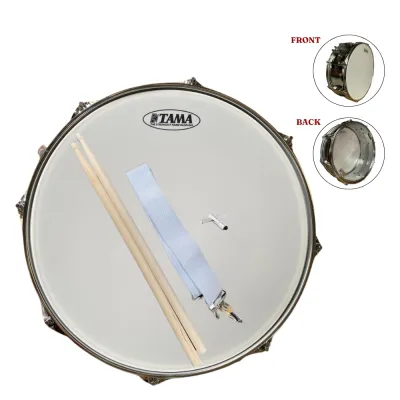

Prices are valid at publication and may change. Please refer to the product page for the latest price.
For beginners, the most critical acoustic properties to consider are tuning range and sensitivity. A drum with a wide tuning range allows you to experiment with low, fat rock tones or high, crisp funk cracks without losing sound quality. Sensitivity at low volumes is also vital, ensuring the snare wires respond clearly even when you are practicing softly at home.
It is important to remember that the shell is only one part of the equation. The drumheads, the tension of the snare wires, and the quality of the hoops and hardware all play massive roles in shaping the final output. A budget shell can sound excellent with proper tuning and upgraded heads, so do not attribute every tonal detail to the shell material alone.
Wood Snare Shells: Warmth, Focus, and Studio Versatility
Wood snare shells, often made of maple, birch, or mahogany, are celebrated for their organic warmth and focused tone. They produce a balanced sound with controlled overtones and a smooth, rounded attack. This natural dampening effect makes them incredibly forgiving for beginners who are still learning the art of drum tuning.

This versatility makes wood an excellent starting point for various musical styles, from jazz and acoustic sets to classic rock. Whether you are practicing in a small bedroom or playing a gig at a local venue, a wood snare blends seamlessly into the mix without overpowering other instruments.
However, wood requires careful maintenance, especially in the tropical climate of the Philippines. High humidity and sudden temperature fluctuations can cause wood shells to expand, contract, or even warp over time. Keeping your drum in a padded bag or case when not in use helps protect the shell from moisture damage and keeps the bearing edges flat.
Steel Snare Shells: Brightness, Projection, and Durability
Steel snare shells are the workhorses of the drumming world, known for their bright tone, sharp attack, and powerful projection. They produce a distinct metallic ring and a high-volume crack that easily cuts through loud guitar amplifiers. If you plan to play rock, metal, or pop-punk, steel provides the aggressive presence you need.
These shells are highly durable and virtually unaffected by humidity, making them incredibly reliable for outdoor gigs or humid practice spaces. They are also generally the most affordable metal option, making them highly accessible for beginners on a budget.
The main challenge for beginners playing steel is managing the pronounced overtones. The metallic ring can sound harsh or ringing if the drum is not tuned correctly, often requiring dampening gels or rings to control the sustain. Additionally, steel drums can be physically heavier than their wood counterparts, which is worth considering if you travel frequently.
Brass Snare Shells: Tonal Complexity and Advanced Characteristics
Brass snare shells are highly prized for their complex tonal profile. They bridge the gap between wood and steel, offering the warm, dark undertones of a wood shell alongside the crisp sensitivity and bright cut of metal. This makes brass incredibly responsive to ghost notes and subtle rimshots.
Despite these excellent qualities, brass snares generally command a higher ₱ price point. For a beginner, investing a significant amount of money in a premium brass shell may not be the most practical choice when starting out, as those funds could be better spent on cymbals, hardware, or lessons.
However, if you have the budget and want a long-term investment piece that you will not outgrow as your skills advance, brass is an outstanding option. It is a highly versatile studio drum that records beautifully across almost every genre of music.
Making Your Decision: Matching the Snare Shell to Your Playing Goals
To finalize your choice, match the shell material to your primary playing goals and environment. If you need a versatile, warm drum for home practice and recording, wood is your best bet. If you need maximum volume, durability, and affordability for loud band rehearsals, steel is the clear winner. If you want a premium, highly sensitive drum and have a flexible budget, consider brass.
When shopping, try to test different snares in person at a local music store to hear how they respond to your playing style. If you are purchasing from an online music store or a brand’s official shop, check their return policies and customer reviews regarding shipping safety.
Finally, remember to budget for potential upgrades. Swapping out the stock drumheads for high-quality replacements and installing premium snare wires can instantly elevate the sound of an entry-level snare drum, regardless of the shell material you choose.
Frequently Asked Questions (FAQ)
Does the thickness of the snare shell matter as much as the material?
Yes, shell thickness plays a major role alongside the material. Thinner shells tend to vibrate more freely, producing a deeper fundamental pitch and a warmer, more resonant tone. Thicker shells are more rigid, directing more energy into the air to create a brighter sound, sharper attack, and greater projection.
Can I change my snare shell material later by just swapping drumheads?
No, you cannot completely change the core tonal characteristics of a shell material simply by swapping drumheads. While a dampening head can tame the ring of a steel snare, or a thin head can add brightness to a wood snare, the fundamental resonance, decay, and physical response of the shell material will always remain the foundation of your drum’s sound.

Community discussion
Share your experience or ask a question. Comments are reviewed before publication.