
Selecting your first snare drum stand is a critical step in building a reliable drum kit. A high-quality stand does more than just hold your drum in place; it ensures your snare remains stable during intense practice sessions, protects the drum shell from damage, and allows you to maintain an ergonomic playing posture. For beginners, finding a balance between durability, portability, and cost is essential, especially when dealing with environmental factors like high humidity that can affect hardware over time.
When shopping for a stand, it is easy to get overwhelmed by technical specifications and marketing jargon. Focus on the core mechanical features that directly impact stability and ease of use rather than expensive, specialized add-ons. By understanding how the basket, legs, height adjustments, and materials work together, you can make an informed decision that supports your drumming journey for years to come.
Basket Size and Snare Compatibility
The basket is the top portion of the stand that cradles the snare drum, and its design is crucial for both security and sound quality. Before making a purchase, check the adjustable diameter range of the basket to ensure it accommodates standard snare drum sizes. While most standard snare drums have a 14-inch diameter, some beginner kits or auxiliary drums use 13-inch or 12-inch shells, requiring a basket that can adjust inward to grip smaller hoops securely.
Products mentioned in this guide
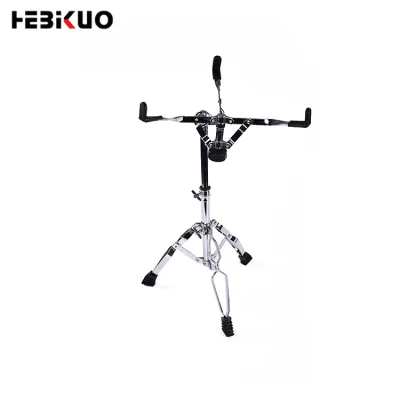
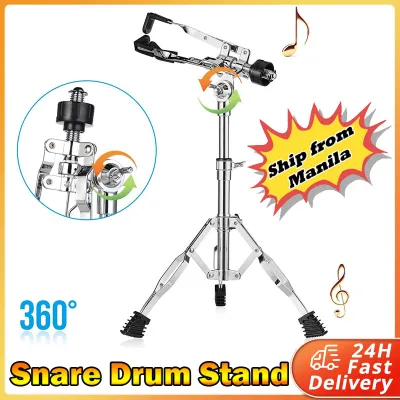
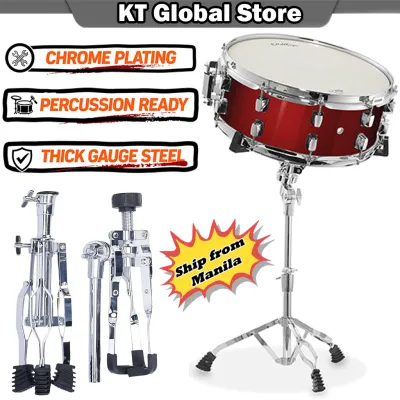
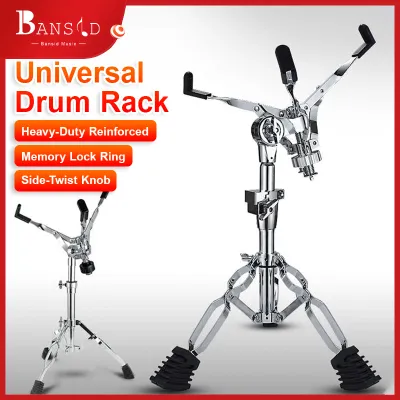
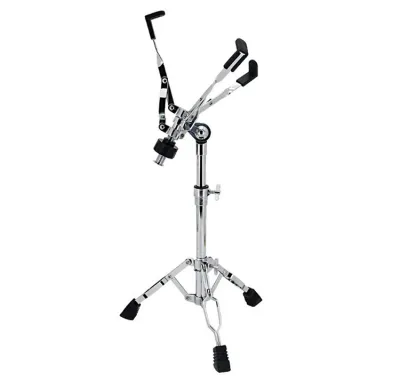
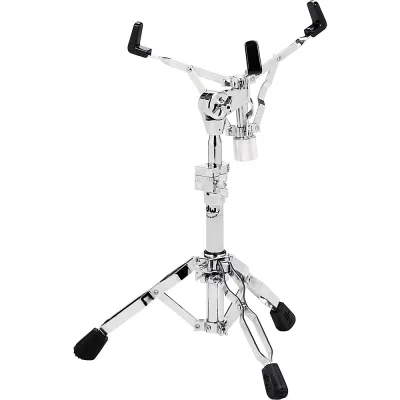
Prices are valid at publication and may change. Please refer to the product page for the latest price.
You must also verify the presence and condition of the protective rubber or plastic caps on the basket arms. These caps act as a vital barrier, preventing direct metal-on-wood or metal-on-metal contact that can scratch your drum’s hoops and finish. Additionally, high-quality rubber tips help isolate the drum, allowing it to vibrate naturally without transferring unwanted mechanical noise to the stand.
When mounting your drum, understand that overtightening the basket adjustment knob can choke the snare’s natural resonance. Clamping the arms too tightly restricts the vibration of the shell and hoops, resulting in a dry, dead tone and potentially warping the bottom hoop over time. The basket should support the drum snugly enough to prevent it from shifting, but not so tight that it squeezes the shell.
Leg Bracing and Floor Stability
The leg configuration of your snare drum stand determines how well it resists movement when you play. Double-braced legs feature two parallel metal supports on each leg, offering excellent stability and preventing the stand from wobbling under heavy impacts. Single-braced legs use only one metal support per leg, which reduces the overall weight of the stand and makes it much easier to transport to local rehearsals or music lessons.

For beginners practicing at home, double-braced stands are generally the safer choice because they provide a solid foundation that compensates for developing technique. However, you must also consider the type of feet on the stand. Large, high-grip rubber feet are essential for preventing the stand from sliding across smooth tiled floors, which are common in many homes. If you practice on a carpeted surface or a drum rug, some stands feature retractable metal spikes that dig into the fabric for maximum grip.
Finally, assess the width of the base footprint when the legs are fully extended. A wider footprint lowers the stand’s center of gravity, making it highly resistant to tipping. Ensure the tripod base can open wide enough to clear the pedals of your bass drum and hi-hat stand without sacrificing its structural stability.
Height Range and Adjustment Mechanisms
Achieving the correct playing height is vital for maintaining good posture and preventing wrist fatigue. Evaluate the minimum and maximum height limits of the stand to confirm it can accommodate your specific seating setup. If you sit relatively low or use a deep snare drum, you will need a stand that can collapse down sufficiently; conversely, taller players or those who prefer a higher snare position will require a taller center tube.
Inspect the tightening mechanisms used to secure the height adjustments, such as wingnuts, collar clamps, and memory locks. Memory locks are particularly valuable for beginners because they clamp onto the vertical tube to mark your preferred height, allowing for quick setups and preventing the tube from slipping down mid-performance. The adjustment collars should tighten smoothly without requiring excessive force, which can strip the threads over time.
The diameter of the steel tubes also plays a significant role in overall stability. Look for stands with thicker telescoping tubes, as they are much less likely to wobble or flex under the weight of a heavy snare drum. Thin, narrow tubing is prone to slipping and can make the entire setup feel unstable when you strike the drum near the edge.
Material Thickness and Weight Trade-offs
The overall weight of a snare drum stand is directly tied to the thickness of its steel tubing and the reinforcement of its joints. Heavy-duty stands offer unmatched durability and stability, but they can be cumbersome to carry if you frequently move your gear. Conversely, excessively lightweight stands are highly portable but may become top-heavy and unstable once a standard 14-inch snare drum is mounted on top.
To find the right balance, test the sturdiness of the pivot joints and adjustment collars. The main tilter joint, which controls the angle of the basket, must lock securely without slipping when you apply downward pressure. Flimsy joints made of low-grade cast metals are prone to wearing down or cracking, especially in humid tropical climates where moisture can accelerate wear if the hardware is not maintained.
Avoid budget stands that sacrifice material thickness to save on production costs. A stand that feels flimsy or flexes easily when you press down on the basket will likely struggle to support your drum during energetic playing, leading to frustration and potential damage to your instrument.
Secondary Specs You Can Safely Ignore
When choosing your first snare drum stand, you can safely ignore complex tilting mechanisms, such as omnidirectional ball-and-socket joints. While these features allow for highly precise angle adjustments, a standard notched gear tilter is more than adequate for achieving a comfortable playing angle and is often much more durable.
You should also avoid paying a premium for ultra-heavy-duty, tour-grade hardware designed for professional touring drummers. These stands are built to withstand constant road travel and extreme physical abuse, making them unnecessarily heavy and expensive for a beginner’s home practice space.
Lastly, steer clear of proprietary accessory ecosystems or specialized mounting attachments that lock you into a single brand’s hardware line. These features rarely improve the basic functionality of the stand and can make finding replacement parts or upgrading your gear more difficult and expensive in the future.
Frequently Asked Questions (FAQ)
Can I use a snare stand for a small tom or percussion instrument?
Yes, many drummers use a snare stand to hold a small rack tom, a hand drum, or other percussion accessories. The adjustable basket arms can easily grip the hoops of a smaller drum, provided its diameter falls within the stand’s specified range. However, you must check the weight capacity of the stand and ensure the basket depth is sufficient to hold the instrument securely without damaging its bottom head or shell.
Does a heavier snare stand always mean better sound quality?
No, a heavier stand does not directly improve the acoustic tone of your snare drum. The stand’s primary role is to provide physical stability and isolate the drum from floor vibrations, not to enhance its sound. Proper basket padding and avoiding overtightening the basket arms have a much more direct impact on preserving the drum’s natural resonance and crisp response.

Community discussion
Share your experience or ask a question. Comments are reviewed before publication.