
Starting your musical journey with a percussion box, commonly known as a cajon, is one of the most practical and rewarding decisions a beginner in the Philippines can make. This versatile instrument provides a full drum-kit experience in a single, highly portable wooden box, making it perfect for casual jam sessions, church gatherings, and acoustic gigs. To choose your first percussion box, you should look for an instrument that balances structural durability, comfortable ergonomics, and a clear distinction between its bass and snare tones.
Acoustic music is deeply woven into local social gatherings, from beach trips to backyard barbecues, and the percussion box has become the go-to rhythm keeper for these occasions. Its compact size and acoustic nature allow it to blend seamlessly with acoustic guitars and vocals without overpowering the performance. By understanding the key specifications and physical characteristics of the instrument, you can confidently navigate music stores and online marketplaces to find a high-quality model that fits your budget and musical goals.
Understanding the Percussion Box for Beginners
The percussion box is a six-sided wooden percussion instrument that originated as a creative alternative to traditional drums. The basic acoustic structure consists of a hollow wooden box with a thin front playing surface, known as the tapa, and a sound port or hole cut into the rear panel to allow air and sound waves to escape. The player sits directly on top of the box, leaning slightly forward to strike the front face with their hands, fingers, or palms. This unique playing position makes the instrument incredibly self-contained, requiring no additional stands or mounting hardware.
Products mentioned in this guide
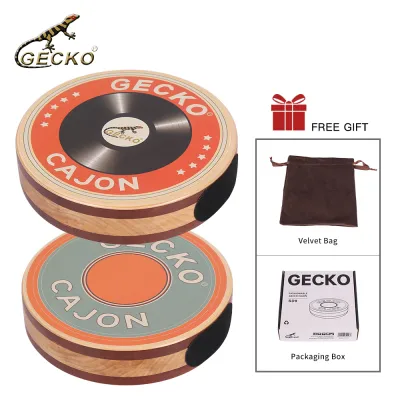
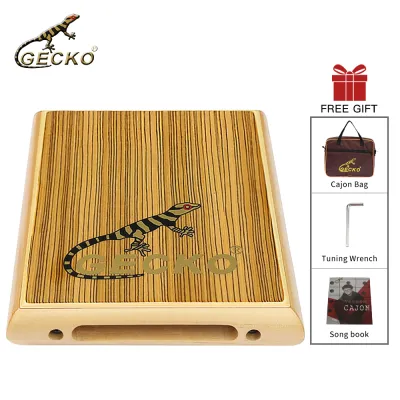
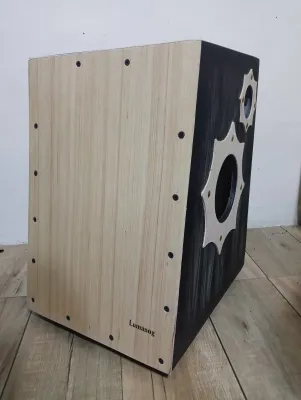

Prices are valid at publication and may change. Please refer to the product page for the latest price.
Inside the box, the instrument features a mechanism that dramatically alters its acoustic profile. The fundamental difference lies between snare and non-snare internal systems. Snare models contain metal wires or guitar strings pressed against the back of the tapa. When you strike the front plate, these wires vibrate, producing a sharp, buzzing slap sound that mimics a drum kit’s snare drum. Non-snare models, on the other hand, rely purely on the natural resonance of the wood, offering clean, distinct high and low pitches without any metallic rattle, which is ideal for traditional folk or Latin rhythms.
For a complete novice, the percussion box offers an incredibly low barrier to entry. You do not need years of formal training to grasp the basic rhythm patterns; a simple alternating bass-and-slap pattern can be learned in a single afternoon. Furthermore, its portability is unmatched compared to a standard drum kit. It fits easily into the back seat of a car or can be carried on public transport, allowing you to bring a full rhythmic backbone to any musical setting with minimal physical effort.
Key Specifications to Evaluate Before Buying
- Front Plate Material: The front plate, or tapa, is the most critical component for sound production. It must be thin enough to flex and vibrate when struck, yet strong enough to withstand constant hand impacts. Plywood, such as birch or beech, is the standard choice, offering excellent sensitivity and a bright, responsive tone. A thickness of 2.5mm to 3mm is ideal for beginners, as it provides high sensitivity, allowing you to produce clear sounds without straining your hands.
- Body Wood: The rest of the box acts as the acoustic chamber. Birch and mahogany are premium options that deliver warm, deep bass resonance and excellent projection, but they come at a higher price point. Medium-density fibreboard, commonly known as MDF, is a common, budget-friendly alternative. While MDF produces a consistent, punchy sound, it is significantly heavier than natural wood and highly sensitive to moisture. In the humid tropical climate of the Philippines, an MDF body must be kept dry; exposure to high humidity or accidental spills can cause the fibers to swell and degrade the structural integrity. Sealed plywood bodies offer a great middle ground, providing reliable durability and resistance to humidity changes.
- Snare System: Beginners should pay close attention to the snare mechanism. Fixed snare systems are simple and durable, but they offer no tonal adjustment. If the wires stretch or bend over time, you cannot easily fix them. Adjustable snare systems, which use an external knob or an internal Allen key mechanism, allow you to tighten or loosen the wires against the tapa. This lets you control the amount of buzz in your sound, or even turn the snare off completely to mimic a traditional wood-only box. Removable snare systems offer the ultimate versatility but require more hands-on adjustment.
- Size and Ergonomics: A standard adult percussion box measures approximately 30 cm wide, 30 cm deep, and 48 to 50 cm high. This size allows an average adult to sit comfortably with their knees bent at a roughly 90-degree angle. If you are shorter, or if you are buying the instrument for a child, a junior or travel-sized model (often around 35 to 40 cm high) will prevent back strain and make it easier to reach the lower bass zones in the center of the tapa.
Matching the Instrument to Your Musical Context
- Acoustic and Unplugged Sessions: If your primary goal is to play along with acoustic guitars in living rooms, small cafes, or church halls, you need an instrument with clear tonal separation. This means when you strike the center for a bass note, you get a warm, deep thump without triggering a loud snare buzz. Conversely, when you strike the top corners, you want a crisp, high-pitched slap. Look for models with adjustable guitar strings or fine-tuned snare wires that allow you to isolate these frequencies, ensuring your rhythm doesn't muddy the acoustic guitar's chords.
- Street Performance and Busking: For outdoor playing, volume and durability are paramount. Street performers need a percussion box that projects its sound clearly over ambient traffic and crowd noise. Hardwood bodies, such as birch or oak, offer superior projection. Additionally, look for robust exterior finishes, such as thick polyurethane coatings, which protect the wood from scratches, dirt, and sudden tropical rain showers. Reinforced rubber feet are also essential to keep the box stable on uneven concrete or asphalt surfaces.
- Studio and Recording Use: If you plan to record your playing for online videos or home studio projects, control is more important than raw volume. Instruments with excessive, uncontrolled overtones or loose, rattling snare wires will sound messy through a microphone. A high-quality plywood box with adjustable internal dampening or a removable snare system allows you to fine-tune the decay of the bass notes and eliminate unwanted sympathetic vibrations, resulting in a clean, professional-sounding track.
Building Your Shortlist: In-Store and Online Checks
- Physical Inspection: When visiting a local music store, run your hands along the edges and corners of the box. They should be smoothly rounded to prevent discomfort while playing. Check the joints where the panels meet; there should be no visible gaps, glue squeeze-out, or splinters. Look inside the sound hole with your phone's flashlight to inspect the internal bracing and ensure the snare wires are aligned flat against the front plate.
- Sound Testing: Sit on the instrument and play a simple pattern. Strike the exact center with a flat hand to test the bass depth. It should feel resonant and deep, not hollow or papery. Next, strike the top corners with your fingers to test the snare slap. Listen closely for any unwanted buzzing, rattling, or metallic ringing that persists long after you stop striking the wood. The transition between the bass and snare zones should feel distinct and controllable.
- Online Buying Verification: If you are purchasing from an online marketplace or ecommerce platform, you cannot test the instrument beforehand. In this case, carefully read the product specifications. Avoid listings that simply label the material as "wood" without specifying the type (e.g., birch plywood, MDF). Look for sellers that offer clear return policies in case the instrument arrives with shipping damage or warped panels. Check customer reviews specifically for mentions of structural durability and sound quality, ignoring generic praise.
- Budget Allocation: For a complete beginner in the Philippines, a budget of ₱2,500 to ₱5,000 is the sweet spot. Within this range, you can find well-constructed plywood instruments with adjustable snare systems. Avoid ultra-cheap models under ₱1,500, as they often use low-grade MDF or thin plastics that produce a muddy sound and warp quickly in humid weather. Conversely, there is no need to spend over ₱8,000 on a professional-grade exotic hardwood model until you have mastered basic techniques and identified your specific tonal preferences.
Essential Accessories to Complete Your Setup
- Cajon Seat and Cushion: Sitting on a hard wooden surface for extended periods can cause physical discomfort and poor posture. A dedicated, non-slip foam cushion or a padded seat cover is a highly recommended accessory. It provides essential cushioning for your tailbone and helps prevent you from sliding backward when you lean to strike the lower parts of the tapa. Some advanced cushions even feature built-in side pockets to hold small percussion accessories.
- Protective Gig Bag: A percussion box is highly portable, but its wooden corners are vulnerable to chipping during transport. A padded gig bag with at least 10mm of foam padding is crucial for protecting your investment. Look for a bag made of water-resistant nylon fabric to shield the wood from sudden tropical downpours. Backpack-style straps are incredibly useful, allowing you to carry the instrument comfortably while keeping your hands free.
- Pedals and Add-ons: As you progress, you can expand your sonic palette with various add-ons. A specialized foot pedal allows you to play the percussion box with your foot like a bass drum, freeing up both hands to play other percussion instruments like shakers or tambourines. Specialized nylon or wire brushes can also be used on the tapa to create soft, sweeping textures perfect for jazz or ballad accompaniment.
Frequently Asked Questions (FAQ)
Do I need a special seat to play a percussion box?
While you do not strictly need a specialized seat, playing directly on the bare wooden top of the box can quickly become uncomfortable during long practice sessions. Standard chairs or stools are not suitable because the instrument itself is designed to be sat upon; sitting on a separate chair would force you to bend over at an extreme, unhealthy angle to reach the playing surface. If you find the bare wood too hard, a simple, non-slip foam pad or a dedicated padded cajon seat cover is the best solution. These accessories provide comfort, improve your grip, and help maintain proper spinal alignment without dampening the instrument’s natural acoustic resonance.

How do I maintain the wood and snare wires?
Maintaining your percussion box is essential for preserving its tone and structural integrity, especially in a humid climate. Clean the exterior regularly by wiping it down with a dry or slightly damp microfiber cloth to remove sweat and dust; avoid harsh chemical cleaners or excessive water, which can warp the wood. To protect the instrument from extreme humidity fluctuations, store it in a padded gig bag when not in use, and keep it away from direct sunlight or air conditioning vents. If you notice an unwanted, persistent buzzing sound when playing, check the internal snare wires. You can adjust their tension using the built-in adjustment screws or Allen key system to ensure they sit flush against the tapa, eliminating loose vibrations.
Community discussion
Share your experience or ask a question. Comments are reviewed before publication.