
Choosing your first drum set as an adult beginner requires focusing on three foundational pillars: physical space compatibility, shell material durability, and hardware reliability. Unlike younger students who might start on scaled-down junior kits, adult learners need full-sized instruments that can withstand greater physical force and fit comfortably within their living environments. Navigating the transition from an aspiring drummer to a practicing musician means looking past flashy finishes and focusing on the structural specifications that dictate how a kit sounds, feels, and lasts over years of practice.
Assessing Your Space, Budget, and Noise Constraints
Before browsing specific drum models, you must accurately measure your intended practice area. A standard acoustic drum set requires a clear floor space of at least 1.5 meters by 1.5 meters to comfortably accommodate the drums, stands, and your throne. You must also account for the physical clearance needed to swing your drumsticks without hitting nearby walls, shelves, or light fixtures.
Acoustics play a massive role in how enjoyable your practice sessions will be. Many residential structures feature concrete walls and tiled floors, which act as acoustic mirrors that reflect high frequencies and amplify low-end vibrations. This acoustic environment can turn a moderately loud drum session into an overwhelming wall of sound that quickly leads to ear fatigue and neighbor complaints.
Products mentioned in this guide
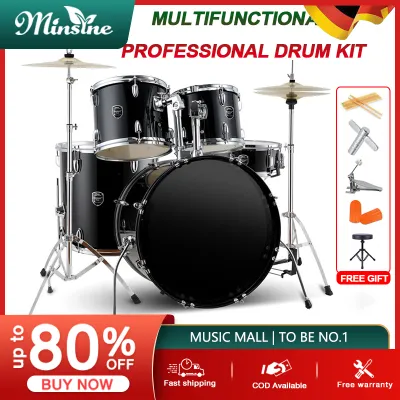
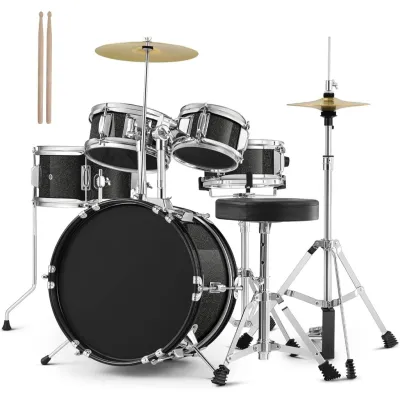
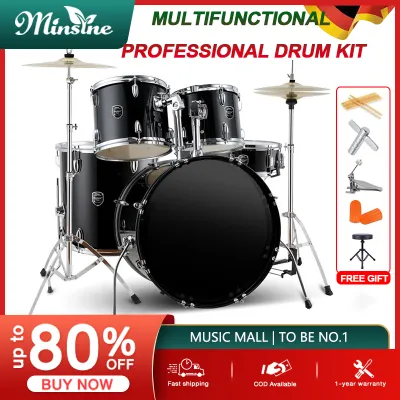
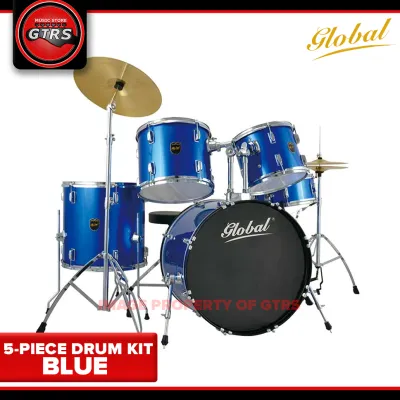
Prices are valid at publication and may change. Please refer to the product page for the latest price.
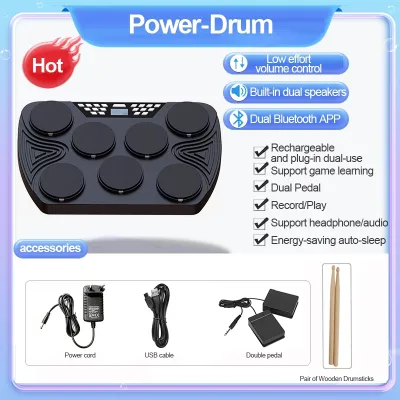
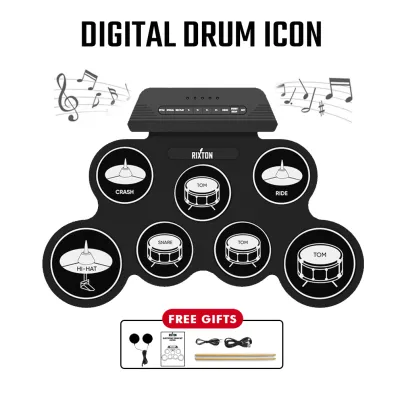
This acoustic reality makes the choice between acoustic and electronic drum kits your first major decision. Electronic kits use rubber or mesh pads to trigger digital samples, allowing you to practice silently using headphones. This makes them highly suitable for apartments, condominiums, or dense subdivisions where noise must be kept to a minimum. However, they do not fully replicate the physical rebound and acoustic feedback of real drumheads.
Acoustic kits offer the authentic feel necessary for developing proper stick technique and dynamic control. If you choose an acoustic setup, you should plan for sound-dampening accessories such as heavy floor rugs, drum mutes, or basic acoustic foam panels to tame reflections.
When establishing your total budget in ₱, avoid the common mistake of spending your entire allocation on the drum shells alone. A complete, playable setup requires several additional components that may not be included in a basic shell pack. Allocate your ₱ budget proportionally, ensuring you set aside enough funds for a sturdy throne, quality sticks, and reliable hearing protection.
Understanding Drum Shell Materials and Sizes
The wood species used to construct acoustic drum shells directly influences their natural resonance, pitch, and overall durability. Entry-level drum sets typically utilize poplar, basswood, or birch plies. Poplar and basswood are softer woods that produce a warm, round tone with a boosted low-end, which is highly forgiving for beginners who are still mastering their tuning technique.

Birch is a denser hardwood that offers a bright, punchy sound with excellent projection and clarity. This makes birch kits highly versatile for recording and live playing, though they require more precise tuning to sound their best. Be skeptical of unverified marketing claims boasting “exotic mahogany” on budget kits; these are often cheap composite woods with a thin outer veneer rather than solid hardwood plies.
The physical dimensions of the shells affect both the acoustic pitch and your playing posture. A standard adult configuration features a 22-inch bass drum, which provides a deep, satisfying low-end punch but positions the rack toms relatively high. If you have a shorter torso, a 20-inch bass drum allows you to mount the rack toms lower and closer, preventing shoulder strain and promoting better ergonomic form.
Tom diameters and depths should allow you to sit upright with your elbows relaxed at a comfortable angle. Standard tom sizes for adult kits typically include 10-inch and 12-inch rack toms, paired with a 16-inch floor tom. This spread provides a clear distinction in pitch between each drum, helping you hear your progress clearly during fills and patterns.
Always consult the official manufacturer specification sheets to verify the actual material composition rather than relying on visual wrap finishes. High-gloss plastic wraps can look stunning under room lights, but they can also mask structural flaws or low-grade wood plies underneath. In warm, humid tropical climates, poorly applied wraps can bubble, warp, or peel away from the shell over time, so look for cross-laminated plies with smooth interior walls.
Deciding on the Right Number of Pieces
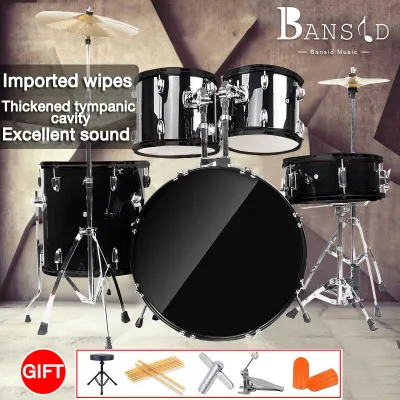
In drum terminology, the number of “pieces” refers strictly to the number of wooden drum shells in the kit, excluding cymbals, stands, and pedals. A 3-piece kit consists of a bass drum, a snare drum, and a single floor tom, offering a highly portable and minimalist layout favored by jazz players. A 4-piece kit adds a single rack tom, providing a classic rock-and-roll configuration that encourages creative phrasing.
For most adult beginners, a standard 5-piece configuration—consisting of a bass drum, a snare drum, two rack toms, and one floor tom—is the most practical starting point. This setup provides a wide tonal range that easily accommodates diverse musical genres, from classic rock and pop to local OPM favorites. It also aligns perfectly with standard instructional books and online tutorials, ensuring you do not have to adapt your hand movements during practice.
Examine how the toms are mounted to the bass drum or adjacent stands. Look for robust tom arms with ball-and-socket joints, which offer infinite angle adjustments compared to rigid, notched gear tilters. Sturdy mounting hardware ensures your drums remain locked in place during intense practice sessions, preventing them from slipping or scratching the bass drum shell.
Choosing a kit with standard-sized mounting brackets also allows you to easily reconfigure your layout as you progress. You can easily transition to a 4-piece setup by removing one rack tom, or add auxiliary percussion like cowbells or tambourines without needing to purchase entirely new mounting systems.
Evaluating Included Hardware and Cymbals
The hardware pack—comprising the snare stand, hi-hat stand, cymbal stands, kick pedal, and drum throne—is the literal backbone of your drum set. For an adult player, double-braced legs on all stands are highly recommended to prevent wobbling or tipping under heavy playing force. Single-braced stands are lighter and easier to transport, but they lack the stability required to support heavy cymbals and energetic playing.
Pay close attention to the drum throne, as a flimsy, unpadded seat can cause lower back pain and poor posture. Look for a throne with a solid steel spindle adjustment rather than a simple friction-clamp, ensuring it can securely support your weight over long practice sessions. A comfortable, stable throne is essential for developing proper foot technique on the bass drum and hi-hat pedals.
Most all-in-one starter drum sets include basic brass cymbals to help you get started immediately. While these are sufficient for learning basic rhythms, they produce a harsh, metallic clang and are highly susceptible to denting or cracking under adult striking force. Plan your budget with the expectation that these factory cymbals will eventually need to be upgraded to bronze alloys, which offer a richer, more musical wash and superior durability.
Before finalizing your purchase, carefully cross-reference the manufacturer’s packing list to confirm what is included in the box. Some kits are sold as “shell packs,” which include only the wooden drums and tom mounts, requiring you to purchase stands, pedals, cymbals, and a throne separately. Ensure the package explicitly lists all necessary tension rods, memory locks, and a drum key, so you can assemble the kit immediately.
Building Your Shortlist: What to Verify Before Buying
Purchasing your drum set from authorized local dealers or official brand stores ensures you receive a genuine product backed by a manufacturer’s warranty. This protection is invaluable if you encounter manufacturing defects, such as stripped threads on hardware clamps or delaminating wood plies. Verify the dealer’s return policy and check if they offer replacement parts, as finding matching tension rods or mounting screws can be difficult for off-brand kits.
If you are considering a second-hand or discounted open-box kit to maximize your ₱ budget, a thorough physical inspection is mandatory. Remove the drumheads to inspect the bearing edges—the top and bottom rims of the wooden shell where the drumhead makes contact. These edges must be perfectly smooth and flat; any dents, cracks, or warping will make the drum impossible to tune.
Check all metal hardware for signs of rust or pitting, which can compromise structural integrity in humid environments. Ensure all tension rods turn smoothly in their lugs and that the bass drum spurs are intact and functional. If the metal components show significant corrosion, it is often safer to pass on the deal, as replacing rusted hardware can quickly exceed the cost of a new kit.
While general online marketplaces offer convenience, specialized music retailers are often better equipped to handle heavy, fragile freight like drum sets. Specialized shippers ensure the heavy wooden shells and metal stands are packed securely to prevent denting during transit. Additionally, established music stores can provide expert advice on assembly, tuning, and initial head tensioning, helping you start your drumming journey on the right foot.
Frequently Asked Questions (FAQ)
Is it better to buy a complete drum set or piece together individual components?
For an adult beginner, buying a complete, all-in-one boxed set is generally the most cost-effective and convenient route. These packages are designed to ensure all components—shells, hardware, pedals, and basic cymbals—are fully compatible out of the box, saving you the complexity of matching mounting diameters and stand heights. However, the trade-off is that the included cymbals and drum throne are often of lower quality. If you have a larger budget and specific tonal preferences, purchasing a high-quality shell pack and selecting your hardware and cymbals separately allows for superior customization and long-term durability, though it requires more research and a higher initial investment.
How much should an adult beginner expect to spend on a quality starter drum set?
Instead of focusing on a single price tag, adult beginners should evaluate their expenditure based on budget allocation across three core categories: the shell pack, the hardware, and the cymbals. A balanced approach allocates roughly half of your total ₱ budget to the drum shells and mounting hardware, which form the structural foundation of your instrument. Allocate approximately thirty percent to sturdy, double-braced stands and a reliable kick pedal, and reserve the remaining twenty percent for decent starter cymbals and a supportive drum throne. Prioritizing hardware durability and throne comfort over cosmetic upgrades ensures your kit remains safe, stable, and comfortable to play as you develop your skills.
Community discussion
Share your experience or ask a question. Comments are reviewed before publication.