
Choosing your first BOYNEXTDOOR album as a new ONEDOT depends on whether you prioritize a budget-friendly entry point, a deep dive into their musical storytelling, or the thrill of collecting physical memorabilia. For most new fans, starting with one of their extended plays (EPs)—such as WHY.., HOW?, or 19.99—offers the most satisfying introduction because these releases showcase a wider variety of musical styles and include richer physical packaging. If you are on a tighter budget, their debut single album WHO! or a compact digipack version provides an affordable way to start your collection without sacrificing the excitement of unboxing official merchandise.
As a group known for their relatable, youth-centric concepts and conversational lyrics, BOYNEXTDOOR has quickly established a distinct identity in the K-pop landscape. Their physical albums are not just containers for music; they are carefully designed art pieces that extend the narrative of their songs. Understanding how these releases differ in format, content, and availability will help you make an informed purchase that aligns with your budget and collecting goals.
Decoding BOYNEXTDOOR's Musical and Conceptual Evolution
BOYNEXTDOOR debuted with a fresh, bright, and neighborhood-centric aesthetic that sets them apart from more futuristic or high-concept groups. Their signature style revolves around the everyday experiences of youth—crushes, friendship, heartbreak, and the transition into adulthood. This relatable storytelling is reflected in their visual concepts, which often feature retro clothing, suburban backdrops, and playful, hand-drawn design elements. For a new fan, understanding this narrative progression is key to choosing an album that resonates with your personal taste.
Products mentioned in this guide

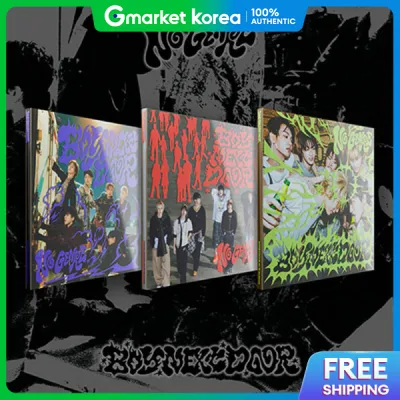
![BOYNEXTDOOR - 1st Studio Album [ HOME ] SWEET HOME ver.](https://img.lazcdn.com/g/ff/kf/Sd3deb001fbbb427b8ccd8a13d355655a9.jpg_400x400q80.jpg_.webp)
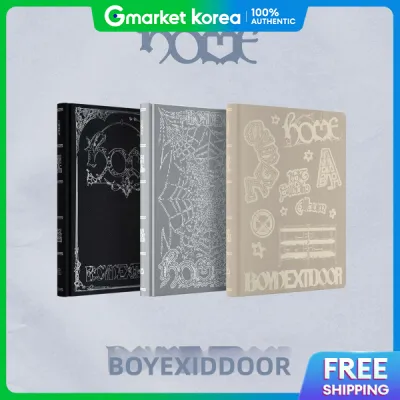


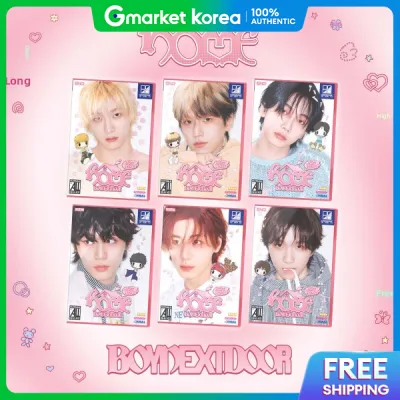
Prices are valid at publication and may change. Please refer to the product page for the latest price.
Their discography is structured to take listeners on a chronological journey. The debut single album, WHO!, introduces the listener to the initial excitement of falling in love through three bright, guitar-driven tracks. This story transitions directly into their first EP, WHY.., which explores the raw emotions of a first heartbreak with a slightly edgier, more dramatic visual style. Subsequent releases like HOW? and 19.99 expand on these themes, blending genres like indie pop, hip-hop, and rock while exploring the complexities of growing up and turning twenty. Each era brings a distinct visual palette, moving from sunny, casual streetwear to moody, nostalgic school uniforms and retro office wear.
When deciding what to buy, you must also consider the structural differences between their single albums and extended plays. Single albums typically contain only three tracks and focus on a singular, cohesive concept. EPs, on the other hand, offer five to seven tracks, allowing the group to showcase their vocal versatility, rap flows, and self-producing talents across diverse genres. If you want a comprehensive look at their musical capabilities, an EP is generally the superior starting point, whereas a single album serves as a nostalgic look back at their artistic origins.
Evaluating Album Versions and Physical Inclusions
Physical K-pop albums are famous for their generous inclusions, and BOYNEXTDOOR’s releases are no exception. When you purchase a standard version of one of their albums, you can typically expect a heavy, high-quality package containing a photobook, a lyric book, a CD-R, and a variety of random paper goods. These random items usually include postcards, stickers, and the highly coveted photocards, which feature exclusive selfies of the members. Some first-press editions also include folded posters or limited-edition polaroids tucked inside the packaging.

To cater to different types of collectors, entertainment companies release albums in several distinct formats. Standard versions are the largest and most expensive, featuring thick, high-page-count photobooks and the maximum number of physical inclusions. Digipacks or compact versions are smaller, CD-sized packages that are often member-specific, meaning the cover and photobook focus on a single member of the group. Platform or digital hybrid versions (such as Weverse Albums) contain no physical CD at all; instead, they feature a pocket-sized card package with a QR code that you scan to stream the music via a smartphone app, accompanied by a small set of physical photocards.
Before finalizing your purchase, it is crucial to perform several pre-purchase checks to ensure you get exactly what you want. Always verify whether the listing you are viewing is for a “random” version or a “set” if the album has multiple concepts. Check the language of the booklet and lyric sheet, as these are primarily in Korean, though English translations are sometimes included in global editions. Additionally, verify if the retailer is offering Pre-Order Benefits (POBs), which are exclusive photocards or gifts provided by specific music stores for early buyers. Finally, ensure that your home entertainment setup is compatible with the physical media format you are purchasing, especially if you plan to play the physical CD.
Matching Your First Album to Your Fan Preferences
To help you decide which album to purchase first, it is helpful to categorize your goals as a fan. Whether you are driven by the music, the visual aesthetics, or the desire to start a collection on a budget, there is a specific release format that will best suit your needs.
For the music-first listener, your best starting point is one of their extended plays, such as HOW? or 19.99. These releases offer a broader sonic palette, featuring unit tracks where members split into smaller groups, as well as acoustic versions and high-energy title tracks. Buying an EP ensures you get a substantial listening experience that highlights the group’s growth as songwriters and producers. Because these albums contain more tracks, they provide a more complete picture of the group’s musical identity than a three-track single album.
If you are a visual and concept enthusiast, you should opt for the standard versions of their albums. The standard packaging for releases like WHY.. or HOW? features elaborate, box-style designs that look excellent on a display shelf. The photobooks in these versions are printed on premium paper and showcase the group’s distinct styling in high resolution. These larger formats also tend to include larger postcards and sticker sheets, making them the most visually satisfying option for fans who appreciate the physical artistry of K-pop packaging.
For the beginner collector or those shopping on a budget, compact versions, digipacks, or platform albums are the ideal entry points. These formats are priced significantly lower in ₱, allowing you to experience the excitement of unboxing official merchandise without a major financial commitment. Platform albums are particularly popular among collectors who only care about photocards, as they eliminate the bulk of traditional photobooks while still providing the official, collectible cards. This allows you to support the group physically while keeping your collection compact and affordable.
However, collecting physical albums involves clear trade-offs. While standard multi-version EPs offer the most complete experience, they are expensive, heavy, and require significant storage space. If your primary goal is to collect photocards of your favorite member, buying standard albums randomly can become incredibly costly. You must balance the desire for rare inclusions against the practical limitations of your budget and shelf space, especially when starting a new collection from scratch.
Navigating K-Pop Album Purchases in the Philippines
Buying physical K-pop albums in the Philippines requires some strategy to ensure you are getting authentic products while managing shipping costs and local weather conditions. Because physical media is imported from South Korea, prices can vary widely depending on where and how you buy.
To ensure your purchase is authentic and contributes to the global music charts (like Hanteo and Circle Chart), you should buy from authorized local distributors or established K-pop specialty shops. Many of these retailers operate physical storefronts in major shopping malls across Metro Manila, Cebu, and Davao, as well as official stores on major e-commerce platforms. Alternatively, many local fans participate in “Group Orders” (GOs) organized by experienced fans on social media. Group orders pool shipping costs together via sea cargo or air cargo, which can make the albums cheaper in ₱, though you will have to wait longer for your items to arrive.
When your album arrives, you can verify its authenticity by looking for several key markers. The most important is the KOMCA (Korea Music Copyright Association) hologram sticker pasted on the back of the album packaging. This silver, reflective sticker features a unique serial number and a changing pattern when tilted under light. Additionally, official albums feature high-quality, crisp printing with no blurry text, sturdy binding, and correct publisher logos (such as YG PLUS or HYBE). If these markers are missing, or if the print quality feels cheap and flimsy, you should contact the seller immediately.
Finally, living in a tropical climate like the Philippines requires special care for physical music collections. High humidity can cause photobook pages to warp, stick together, or develop mold over time. To protect your investment, store your albums in a cool, dry, and well-ventilated area away from direct sunlight. It is highly recommended to store your photocards in acid-free, PVC-free plastic sleeves to prevent them from fading or sticking to the photobook pages. Placing small silica gel packets on your album shelves or inside storage boxes is an inexpensive and highly effective way to absorb excess moisture and keep your collection in pristine condition.
Frequently Asked Questions (FAQ)
Do I need a specific device to play the physical BOYNEXTDOOR album?
Yes, if you purchase a standard version or a digipack, you will need a dedicated CD player, a DVD/Blu-ray player, or a computer equipped with an external disc drive to play the physical CD-R. Many modern laptops and gaming consoles do not include disc drives, so it is important to check your hardware beforehand. If you do not own a CD player, you can opt for a platform or Weverse version of the album. These digital-physical hybrids do not contain a CD; instead, they provide a card with a QR code that you scan using a smartphone app to stream the music and view digital photos.
How can I tell if a BOYNEXTDOOR album is authentic?
You can verify the authenticity of a BOYNEXTDOOR album by checking for the official KOMCA hologram sticker on the back of the packaging. This silver, reflective sticker is issued by the Korea Music Copyright Association and is a mandatory requirement for all official physical music releases in South Korea. You should also inspect the overall print quality, paper weight, and construction of the album. Official merchandise features sharp, high-resolution images, clean binding, and correct distributor logos. If the colors look washed out, the text is blurry, or the KOMCA sticker is missing, the product may be counterfeit.
What is the difference between a single album and a mini album?
The primary differences between a single album and a mini album (also known as an EP) are the track count, physical size, and price. A single album typically contains only one to three tracks and focuses on a single concept, resulting in a lighter physical package with fewer pages in the photobook. A mini album or EP usually features four to seven tracks, offering greater musical variety and a deeper exploration of the group’s current concept. Because mini albums are more substantial, they generally feature larger packaging, thicker photobooks, more physical inclusions, and a higher price point in ₱ compared to single albums.
Community discussion
Share your experience or ask a question. Comments are reviewed before publication.