
Finding the right tuning pegs for your acoustic guitar in the Philippines requires balancing mechanical compatibility, tuning stability, and resistance to the local tropical climate. High humidity and temperature fluctuations can accelerate metal corrosion and affect wood stability, making robust hardware essential. To make the correct choice, you must verify your guitar’s headstock configuration, measure the existing physical dimensions, and select a gear mechanism that matches your playing style and maintenance preferences.
Understanding Tuning Peg Types and Mechanisms
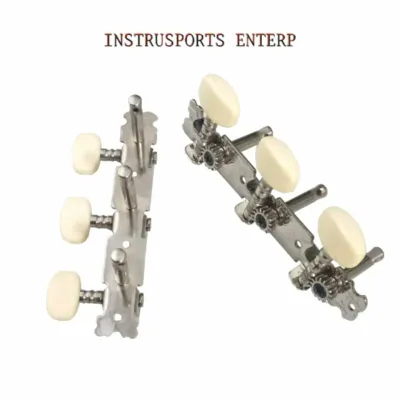
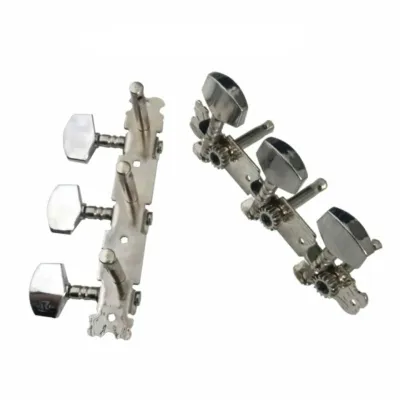
Tuning pegs, also known as tuning machines or machine heads, come in several distinct designs that affect both the aesthetic and the mechanical performance of your acoustic guitar. The most fundamental division is between open-gear and sealed (or enclosed) tuning systems. Open-gear tuners leave the gear and worm drive exposed to the environment, showcasing a classic, vintage look often found on traditional acoustic guitars. While they are lighter in weight, their exposed parts require regular cleaning and manual lubrication to prevent dust, sweat, and humidity from causing premature wear.
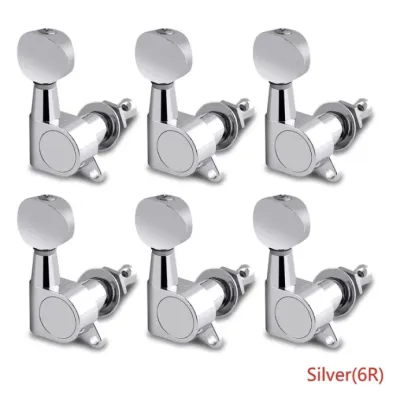
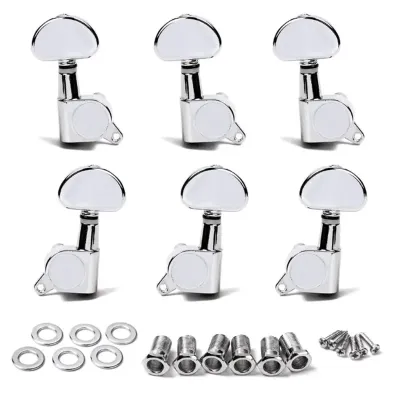
Sealed tuning pegs, on the other hand, house the gears inside a cast casing filled with a permanent lubricant. This protective enclosure shields the moving parts from moisture and dirt, which is highly advantageous in humid tropical environments. Sealed tuners generally offer a more modern appearance and require virtually no internal maintenance, though they tend to be heavier than open-gear designs.
Products mentioned in this guide
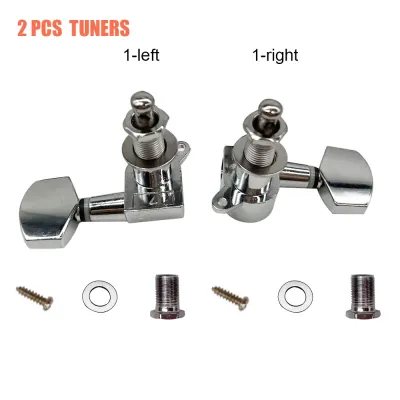
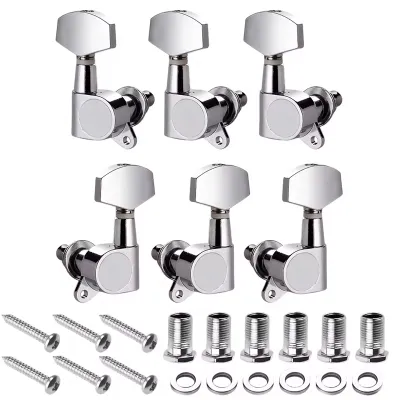
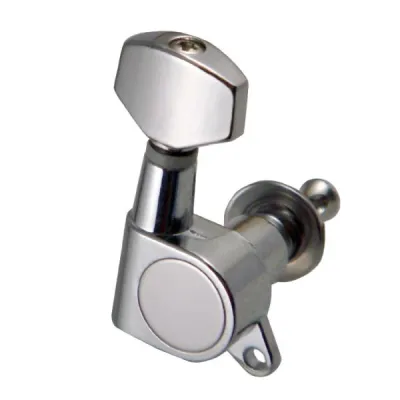
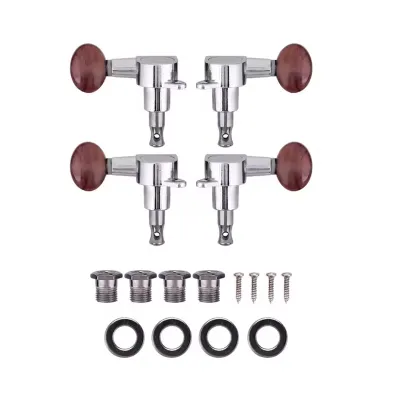
Prices are valid at publication and may change. Please refer to the product page for the latest price.
Another critical distinction lies in the physical layout of the tuners on the headstock. Acoustic guitars typically use either a 3-on-a-plate configuration or individual machine heads. A 3-on-a-plate design features three tuning pegs mounted onto a single metal strip, which is common on classical guitars and vintage steel-string acoustics. Individual machine heads are completely separate units, with each peg requiring its own mounting screw and post hole. Replacing a 3-on-a-plate system with individual tuners, or vice versa, usually requires drilling new holes and can alter the structural integrity of the headstock if not done correctly.
Finally, players must choose between standard and locking tuners. Standard tuners require you to manually wrap the guitar string around the post several times to secure it. Locking tuners feature an internal pin or clamp mechanism, often tightened by a thumbwheel on the back of the housing, which locks the string in place with minimal wrapping. While locking tuners are highly popular on electric guitars with tremolo systems, they also offer acoustic players faster string changes and reduced string slippage at the post, though they add extra weight to the headstock.
Key Factors to Consider Before Upgrading
When upgrading your tuning pegs, the gear ratio is one of the most critical specifications to evaluate. The gear ratio, such as 14:1, 18:1, or 21:1, represents the number of times you must turn the tuning button for the string post to complete one full rotation. A higher gear ratio, like 18:1 or 21:1, allows for much finer adjustments, making it easier to achieve precise pitch accuracy. This is particularly beneficial for acoustic players who frequently use alternative tunings or require highly accurate intonation for studio recording.

The materials used in the construction of the tuning machines directly impact their durability and the overall balance of the instrument. High-quality tuning pegs typically feature gears made of solid brass or bronze, paired with steel worm screws, to minimize friction and wear. The housing and buttons may be made of zinc alloy, aluminum, or lightweight synthetic materials like ebonoid. Heavy tuning machines can cause “neck dive,” a condition where the headstock of the guitar pulls downward when playing with a strap. Choosing lightweight buttons or open-gear designs can help maintain a comfortable physical balance.
Rather than relying solely on unverified online reviews, it is safer to evaluate manufacturer specifications and warranty terms. Reputable hardware brands provide detailed technical drawings showing exact dimensions, gear tolerances, and material compositions. A manufacturer’s warranty often indicates the expected lifespan and reliability of the hardware under normal playing conditions. Checking these official specifications ensures you are purchasing a product engineered to withstand the tension of steel strings over many years.
How to Check Compatibility and Fitment
Before purchasing any replacement tuning pegs, you must perform precise measurements of your guitar’s headstock to ensure a drop-in fit. The most critical dimension is the post hole diameter. Modern sealed tuners typically require a 10mm (approximately 13/32 inch) hole, whereas vintage-style open-gear tuners often fit smaller 8mm or 8.5mm (approximately 11/32 inch) holes. Installing modern tuners into vintage holes requires reaming the wood to enlarge the opening, while installing vintage tuners into modern holes requires specialized conversion bushings to fill the gap.
Screw hole alignment is another common compatibility hurdle. Most individual tuning machines are secured to the back of the headstock by a small wood screw. The position of this screw hole varies widely between brands and models, with common angles being 45 degrees, 90 degrees, or directly vertical. If the new tuner’s screw tab does not align correctly with the existing hole, you will need to fill the old hole with a wooden dowel and glue, then drill a new pilot hole. Misaligned screws can cause the tuner to sit crookedly, putting uneven stress on the gear mechanism.
You must also verify the headstock thickness and the type of bushing used. Press-fit bushings are tapped directly into the front of the headstock and rely on friction to stay in place, which is common with vintage-style tuners. Bolt-on bushings use a threaded nut that screws directly onto the tuner collar from the front of the headstock, clamping the unit securely. Ensure the tuner post is long enough to protrude sufficiently past the front of your headstock to allow for proper string wrapping. If you encounter any mismatch in dimensions, or if you feel uncomfortable drilling or reaming your guitar’s wood, stop immediately and consult a professional luthier to avoid cracking the headstock.
Where to Source and Verify Authentic Tuning Pegs
Finding authentic, high-quality tuning pegs in the Philippines requires careful sourcing, as counterfeit guitar hardware is prevalent on general online marketplaces. Authorized local music retailers and specialized luthiery shops are the most reliable sources for genuine parts. These physical and official online stores source directly from established manufacturers, ensuring that you receive authentic products backed by real warranties. Additionally, local staff can often provide valuable advice on compatibility for common guitar models found in the market.
If you choose to purchase from a general e-commerce platform, you must exercise extra caution to verify the seller’s credentials. Look for official brand flagship stores or highly rated local music shops operating on the platform. Avoid listings with generic titles, unusually low prices, or blurred brand logos, as these are common indicators of counterfeit goods. Check the return policies carefully; a reputable seller should offer a clear return window if the hardware arrives damaged or does not match the advertised specifications.
When planning your upgrade, budget not only for the cost of the hardware but also for potential installation fees. High-quality tuning pegs can range from moderate to premium prices, and professional luthier services in the Philippines typically charge a reasonable fee in ₱ for installation, hole reaming, or setup. If your guitar requires structural modifications like drilling or filling holes, paying a professional is a worthwhile investment to protect the value and playability of your instrument.
Installation and Maintenance Basics
Performing a standard drop-in tuner replacement is a straightforward process if you have the correct basic tools. You will generally need a small Phillips-head screwdriver for the mounting screws, a socket wrench or spanner for bolt-on hex bushings, a peg winder to speed up string removal, and a clean microfiber cloth to wipe down the headstock while the strings are off. Work on a flat, padded surface to protect the guitar’s finish, and loosen the strings completely before attempting to unscrew any hardware.
Maintenance requirements differ significantly depending on the type of tuner you install. Open-gear tuners should be kept free of dust and debris by wiping them down regularly. According to manufacturer guidelines, a tiny drop of light machine oil or specialized gear lubricant should be applied to the gear teeth periodically to ensure smooth operation. Sealed tuners do not require internal lubrication, but you should occasionally check that the mounting screws on the back and the hex bushings on the front remain snug, as natural wood expansion and contraction due to humidity can cause them to loosen over time.
Over time, even high-quality tuning pegs will show signs of wear that indicate they need replacement rather than simple adjustment. If you experience persistent slipping, where the string drops in pitch rapidly during play, or if you feel physical grinding, excessive play (backlash), or dead spots when turning the button, the internal gears may be stripped or worn down. Replacing these worn units promptly will restore your instrument’s tuning stability and prevent frustration during practice or performance.
Frequently Asked Questions (FAQ)
Do locking tuners improve tuning stability on acoustic guitars?
Locking tuners primarily improve tuning stability by eliminating string slippage around the post, which is a common issue when strings are not wrapped properly. By clamping the string core directly inside the post, they reduce the amount of slack that can stretch or shift during play. However, they do not solve tuning issues caused by a poorly cut nut, a loose bridge, or extreme humidity changes, which are more common culprits for tuning instability on acoustic guitars.
Can I mix different brands of tuning pegs on the same headstock?
While it is physically possible to mix different brands of tuning pegs if they share the same post diameter and mounting hole alignment, it is generally not recommended. Mixing brands can lead to uneven weight distribution across the headstock, potentially causing subtle balance issues when playing. Furthermore, different brands often use different gear ratios and button shapes, which can create an inconsistent feel when tuning and a disjointed visual appearance.
Why do my new tuning pegs feel stiff when turning?
Stiffness in new tuning pegs is often caused by overtightened mounting screws or hex bushings, which can compress the headstock wood and bind the tuner shaft. It can also occur if the post holes are slightly misaligned, forcing the tuner post to sit at an angle and rub against the wood. To resolve this, try loosening the front hex bushing slightly or adjusting the tension screw on the tip of the tuning button, if your model has one. If the stiffness persists, consult a professional to check for alignment issues.
Community discussion
Share your experience or ask a question. Comments are reviewed before publication.