
Quick Answer: Which Tagalog Bible Translation Fits Your Needs?
Choosing the right Tagalog Bible depends on your personal faith tradition, your reading comprehension level, and how you plan to use the text. Because different translations serve different purposes, identifying your primary goal will immediately point you toward the correct version.
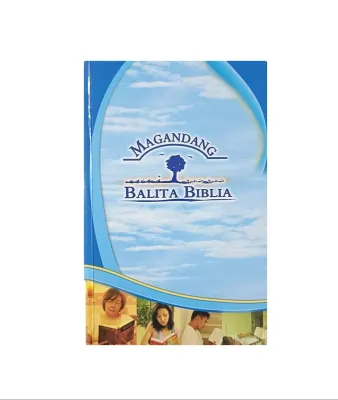
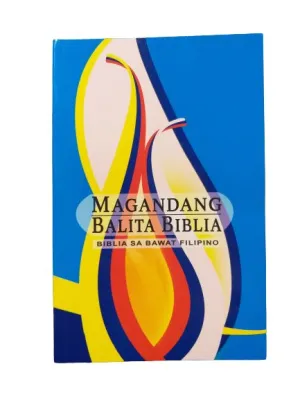
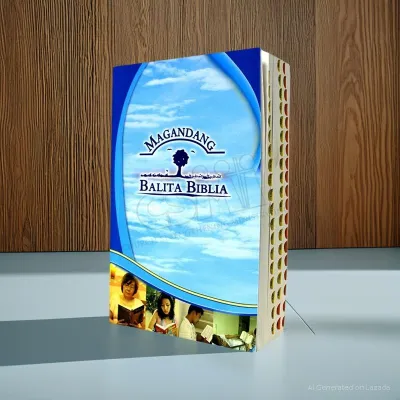
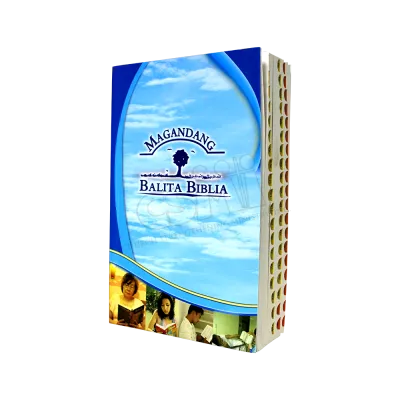
- Magandang Balita Biblia (MBB): Choose this version if you prefer modern, conversational Tagalog. It uses a thought-for-thought translation style that is highly accessible, making it ideal for daily devotions, family reading, and readers of all ages.
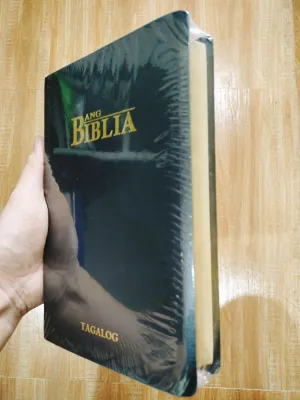
- Ang Dating Biblia (ADB): Choose this version if you value traditional, formal phrasing and a highly literal, word-for-word translation approach. It is deeply rooted in Protestant heritage and appeals to those who appreciate classical literature.
- Catholic Editions: Choose these specific editions if you belong to the Catholic faith and require the complete 73-book canon, which includes the Deuterocanonical books, along with official ecclesiastical approvals for liturgical use and formal study.
Understanding Translation Philosophy and Canonical Differences
To make an informed purchase, it is essential to understand the two primary translation philosophies used by scholars: formal equivalence and dynamic equivalence. These philosophies dictate how closely the Tagalog text mirrors the original Hebrew, Aramaic, and Greek manuscripts, directly shaping your daily reading experience.

Formal equivalence, often called a word-for-word translation, prioritizes literal accuracy. The translators attempt to preserve the original grammar, sentence structure, and idioms of the ancient texts as closely as possible. While this is highly beneficial for deep, word-by-word theological study, it can result in stiff, complex Tagalog sentences that feel unnatural to modern speakers.
Products mentioned in this guide
Prices are valid at publication and may change. Please refer to the product page for the latest price.
Dynamic equivalence, or a thought-for-thought translation, focuses on readability and meaning. Instead of translating word-for-word, the translators convey the core message using natural, contemporary Tagalog phrasing. This approach ensures that the emotional impact and clarity of the original text are preserved, making it much easier to read aloud and comprehend quickly.
Beyond translation style, you must consider canonical differences. Protestant Bibles contain 66 books, omitting the Deuterocanonical books (often referred to as the Apocrypha by Protestant denominations). Catholic Bibles contain 73 books, integrating these historical and theological texts into the Old Testament. Purchasing a version that does not align with your faith community can lead to confusion during group studies or church services.
Finally, pay attention to the editorial additions. Bibles translated by ecumenical committees or specific church bodies often feature distinct footnotes, cross-references, and study guides. Catholic editions, for instance, require official ecclesiastical approvals—such as an Imprimatur and Nihil Obstat—which guarantee that the commentary and footnotes align with Catholic doctrine.
Magandang Balita Biblia (MBB): Modern Language and Accessibility
First published in the latter half of the 20th century and periodically updated, the Magandang Balita Biblia (MBB) is the premier dynamic equivalence translation in the Tagalog language. It was specifically developed to bridge the gap between ancient biblical contexts and the everyday language spoken across the Philippines today.
The linguistic style of the MBB prioritizes clarity and natural sentence flow. It avoids archaic grammatical structures and obsolete vocabulary, opting instead for words that are active in modern, daily conversations. By using clear, straightforward sentence patterns, the MBB allows readers to focus on the narrative and spiritual message without getting tripped up by complex, outdated linguistic forms.
This modern vocabulary makes the MBB exceptionally well-suited for young readers, new believers, and anyone who finds classical Tagalog difficult to parse. It is widely used in youth ministries, religious education classes, and family devotions because it can be easily understood when read aloud. If your goal is consistent daily reading or introducing a family member to the scriptures, this translation minimizes the language barrier.
When shopping for an MBB, you will find several variants. Because it was developed as an ecumenical project by the Philippine Bible Society, it is available in both Protestant formats (66 books) and Catholic formats (73 books, which include the Deuterocanonical books). Be sure to check the product labeling to ensure you select the correct canonical layout for your needs.
Ang Dating Biblia (ADB): Traditional Phrasing and Protestant Heritage
Originally published in 1905, Ang Dating Biblia (ADB) represents the classic era of Tagalog biblical translation. It remains one of the most historically significant and widely recognized Protestant Bibles in the country, serving as the linguistic foundation for generations of believers.
The ADB employs a strict formal equivalence philosophy. The translators sought to match the Hebrew and Greek source texts as literally as possible, which heavily influenced the sentence structures. Consequently, the Tagalog prose is highly formal, poetic, and majestic, closely mirroring the linguistic style of the classic King James Version (KJV) in English.
Because of its age, the ADB features archaic Tagalog vocabulary and grammatical markers that are rarely heard in modern speech. Words like datapwa’t, manga, and complex verb conjugations are common throughout the text. While this vocabulary provides a sense of historical gravity and literary beauty, it requires a high level of Tagalog reading comprehension and can slow down casual readers.
For serious theological study, however, the ADB is highly valued. Its literal approach makes it easier to trace specific word roots and grammatical structures back to the original biblical languages. It remains the preferred translation for traditional Protestant congregations and older readers who have memorized scripture in this classic format and prefer its dignified, reverent tone.
Catholic Editions: Navigating Tagalog Translations for Catholic Readers
Catholic readers must exercise specific care when selecting a Tagalog Bible to ensure the edition meets the liturgical and doctrinal standards of the Church. The most critical step is verifying that the Bible contains the complete 73-book canon, which includes books such as Tobit, Judith, Wisdom, Sirach, and Maccabees.
When browsing local bookstores or an online marketplace, look closely at the copyright page. Approved Catholic editions will clearly display the Nihil Obstat (a declaration by an official censor that the book contains nothing contrary to faith or morals) and the Imprimatur (the official permission from a bishop to print the translation). These markings guarantee that the translation and its accompanying study notes are approved for Catholic devotion and study.
Catholic Tagalog Bibles generally fall into two categories: traditional and modern. Older, highly formal translations offer a literal reading experience that aligns closely with traditional Latin or older English texts. Conversely, modern Catholic editions—such as the Catholic version of the Magandang Balita Biblia—utilize dynamic equivalence to make the text highly readable for contemporary parish ministries, catechism classes, and personal prayer.
Additionally, dedicated Catholic editions often feature unique study tools. These may include liturgical calendars mapping out the daily Mass readings, doctrinal footnotes explaining Catholic teachings, and specialized guides for praying the Rosary or practicing Lectio Divina. If you intend to use your Bible to follow along with parish liturgies, these additions are incredibly valuable.
How to Verify Edition, Format, and Compatibility Before Buying
Before finalizing your purchase, running through a practical checklist will help you avoid buying an incompatible or fragile edition. Bibles are long-term investments, and paying attention to physical and digital specifications ensures your copy will last.
First, inspect the product description or copyright page to confirm the exact translation year and canon. Look for terms like “with Deuterocanonicals” or “Ecumenical Edition” if you require the Catholic canon, or look for standard Protestant labels if you prefer the 66-book layout. Verifying the publisher—such as the Philippine Bible Society or other established Catholic and Protestant publishing houses—is a reliable way to confirm the translation’s authenticity.
Second, consider the physical construction of the book, especially given the tropical climate of the Philippines. High humidity can cause thin, low-opacity paper (often called Bible paper or onion skin) to curl, warp, or bleed ink if you use highlighters. If you plan to carry your Bible frequently or use it in non-air-conditioned environments, look for editions with higher paper weight (GSM) and durable bindings:
- Hardcover and Leatherette: Synthetic leatherette or hardcover bindings withstand humidity and frequent handling much better than cheap paperback glue bindings, which can dry out, crack, and lose pages over time.
- Sewn Bindings: Check if the Bible features a Smyth-sewn binding, which allows the book to lay flat when open and prevents pages from falling out.
Third, evaluate the layout and font size. If you plan to use the Bible for extended reading sessions or study, a larger font size (9-point or higher) will significantly reduce eye strain. For deep academic study, prioritize editions that include wide margins for note-taking, comprehensive cross-references, maps of the ancient world, and a concordance or index at the back.
Finally, if you prefer digital reading, verify the file format and platform compatibility before purchasing an e-book. Ensure the digital edition is compatible with your preferred e-reader or tablet app, and check if it features active hyperlinks for cross-references and footnotes, which make digital navigation seamless.
Frequently Asked Questions (FAQ)
Do Catholic and Protestant Tagalog Bibles have a different number of books?
Yes, they do. Catholic Tagalog Bibles contain 73 books, while Protestant Tagalog Bibles contain 66 books. The difference lies in the Old Testament, where Catholic editions include seven Deuterocanonical books (such as Tobit, Judith, Wisdom, Sirach, Baruch, and 1 and 2 Maccabees) along with additions to the books of Esther and Daniel. Protestant editions omit these books entirely or occasionally place them in a separate, non-canonical appendix.
Which Tagalog Bible is best for a beginner reader?
For beginners, the Magandang Balita Biblia (MBB) is highly recommended. Its dynamic equivalence philosophy translates ancient idioms into modern, natural Tagalog, making the text easy to comprehend without constant reference to a dictionary. When buying, beginners should also look for editions with a clear, single-column or double-column paragraph layout and a readable font size to prevent visual fatigue during longer reading sessions.
Community discussion
Share your experience or ask a question. Comments are reviewed before publication.