
Embarking on the study of systematic theology is a deeply rewarding endeavor that allows you to explore the logical coherence, historical depth, and spiritual richness of the Catholic faith. For a beginner without formal seminary training, the vast landscape of theological literature can feel overwhelming. The key to a successful start is finding a systematic theology book that balances rigorous Catholic orthodoxy with accessible language, helping you connect profound dogmatic truths to your daily life of faith.
Rather than diving straight into advanced academic treatises or multi-volume seminary manuals, beginners benefit most from structured introductory texts, official catechisms, and pastoral guides. These resources establish a clear vocabulary and provide a cohesive framework for understanding how doctrines like the Trinity, the Incarnation, and the sacraments interlock. By choosing the right starting points, you can build a solid foundation that enriches both your intellectual understanding and your personal spiritual journey.
Key Criteria for Choosing Your First Systematic Theology Book
Selecting your first systematic theology book requires a careful balance between readability and academic depth. Beginners should generally avoid advanced seminary manuals or highly specialized monographs on their first pass. These texts often assume a strong background in classical philosophy, particularly scholasticism, and can quickly discourage a reader who is not yet familiar with basic theological terminology. Look instead for books designed specifically for lay ecclesial ministers, undergraduate students, or independent learners, which explain complex concepts without sacrificing intellectual integrity.
Products mentioned in this guide
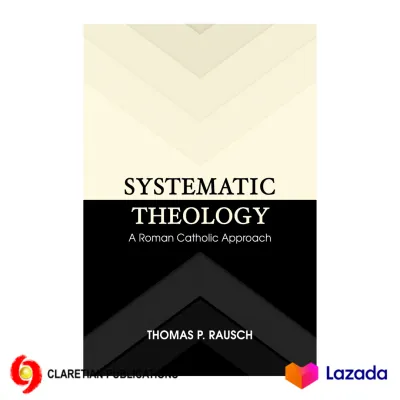
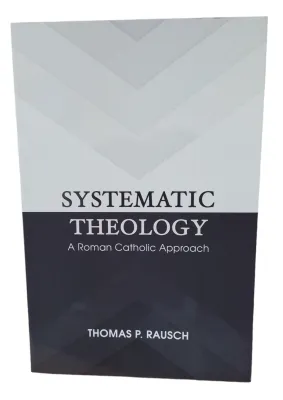
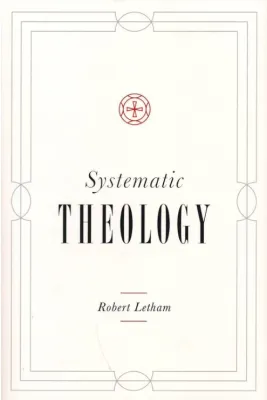
Prices are valid at publication and may change. Please refer to the product page for the latest price.
Ecclesiastical approval is another vital consideration for any Catholic starting theological studies. Because systematic theology seeks to faithfully explain the deposit of faith, a beginner must prioritize texts that align with the magisterium, or teaching authority, of the Church. Books written by faithful Catholic theologians will help you develop a structurally sound foundation, preventing confusion or the accidental adoption of positions that run contrary to established Catholic dogma.
Contextual relevance is equally important, especially for readers in the Philippines. While universal dogmas remain unchanged across the globe, the way we understand and apply these truths is deeply influenced by our cultural setting. A theology book that acknowledges local pastoral realities, community-centered faith, and traditional devotions makes abstract concepts far easier to grasp. It helps you see how high-level doctrinal assertions directly shape the lived experience of the local church.
Finally, always verify the publication date of the text you are considering. While the historical writings of the Church Fathers and medieval doctors are invaluable, a beginner needs a modern systematic framework that reflects post-conciliar developments. Books published after the Second Vatican Council (1962–1965) incorporate crucial theological renewals in ecclesiology, liturgy, and ecumenism, ensuring your studies are aligned with the contemporary life of the Church.
Recommended Book Categories for Catholic Beginners
To build a well-rounded library, you do not need to purchase dozens of expensive volumes. Instead, focus on acquiring a few high-quality books across three distinct categories. This targeted approach ensures you have access to authoritative reference materials, structured introductory textbooks, and pastoral guides that bring the theology to life.

The Catechism and Its Official Compendiums
The Catechism of the Catholic Church (CCC) is the ultimate baseline and primary reference point for all systematic theology. Rather than viewing it merely as a book of rules, think of the Catechism as a beautifully structured systematic theology book in its own right. It is organized into four logical pillars: the Profession of Faith (the Creed), the Celebration of the Christian Mystery (the Liturgy and Sacraments), Life in Christ (Moral Theology), and Christian Prayer.
For those who find the full Catechism intimidating, the Compendium of the Catechism of the Catholic Church offers a highly accessible alternative. The Compendium uses a concise question-and-answer format that delivers the core doctrines of the faith in a clear, direct manner. Starting with these official texts is highly recommended because they introduce you to the precise vocabulary and dogmatic structures used in more advanced theological literature.
In the local context, the Catechism for Filipino Catholics (CFC) is an indispensable resource. Approved by the Holy See specifically for the Philippines, the CFC presents universal Catholic doctrines through the lens of Filipino culture, history, and values. It addresses local devotions, social challenges, and cultural traits, making it an outstanding model of contextualized systematic theology for beginners.
Introductory Dogmatic and Moral Theology Primers
Once you are comfortable with the structure of the Catechism, you can transition to introductory dogmatic and moral theology primers. A high-quality primer provides historical context, showing how doctrines developed over centuries through scripture, early Church controversies, and ecumenical councils. Look for books that offer clear definitions of terms, robust scriptural cross-references, and a pedagogical style designed for beginners.
When browsing for these books, seek out titles that are explicitly marketed as “introductions,” “foundations,” or “fundamentals” of Catholic theology. Classic works by authors like Frank Sheed, such as Theology for Beginners or Theology and Sanity, remain highly popular for their exceptional clarity and engaging prose. These books explain profound mysteries, such as the Trinity and the dual natures of Christ, using analogies and language that require no prior philosophical training.
Avoid purchasing multi-volume dogmatic series at this stage. While comprehensive academic sets are excellent reference tools for advanced scholars, they can easily overwhelm a beginner. A single-volume introductory textbook is more than sufficient to give you a cohesive, bird’s-eye view of the entire theological landscape.
Localized Pastoral and Cultural Theology Guides
To complement your dogmatic reading, look for books that explore localized pastoral and cultural theology. These guides bridge the gap between abstract doctrinal formulas and the practical, everyday faith of the community. They help you understand how the Church’s social teachings and moral doctrines apply directly to contemporary issues in society.
In the Philippines, local Catholic publishers and academic institutions regularly produce books that address specific pastoral realities. These works often explore how traditional Filipino values, such as bayanihan (communal unity) and utang na loob (debt of gratitude), can be understood in the light of Christian charity and divine grace. Reading these localized guides ensures your theological studies do not remain purely academic, but instead foster a deeper love for your local parish community.
By incorporating localized theological literature, you will also gain a deeper appreciation for popular piety. You will learn to analyze devotions like the Simbang Gabi, the patronal fiestas, and the widespread veneration of the Marian titles through a rigorous theological lens, recognizing them as authentic expressions of the inculturated faith.
How to Verify the Authenticity and Edition of Your Books
Before purchasing any systematic theology book, it is essential to verify its doctrinal soundness, translation quality, and edition status. Because theology deals with precise spiritual and philosophical truths, reading an inaccurate translation or an unapproved text can lead to significant misunderstandings.
- Look for Ecclesiastical Approvals: Turn to the copyright page of the book and look for two critical Latin declarations: the Nihil Obstat and the Imprimatur. The Nihil Obstat (meaning "nothing stands in the way") is granted by an appointed diocesan censor who has reviewed the text and found it free of doctrinal or moral error. The Imprimatur (meaning "let it be printed") is the official authorization granted by a bishop, permitting the book's publication. These declarations are your primary assurance of Catholic orthodoxy.
- Verify the Publisher's Reputation: Prioritize books published by established Catholic presses. International publishers such as Ignatius Press, Catholic University of America Press, Ave Maria Press, and Our Sunday Visitor are renowned for their rigorous editorial standards. Locally, look for reputable publishers such as Claretian Publications, Paulines Publishing House, Word & Life Publications, and academic presses associated with Catholic universities.
- Evaluate the Translation Quality: Theological terms rely on extreme linguistic precision. Poorly translated books can obscure or distort key concepts, such as confusing the theological distinction between "adoration" (latria) given to God alone and "veneration" (dulia) given to the saints. Always check if the translation is authorized, and read reviews to ensure the English or local language translation is highly regarded for its accuracy.
- Avoid Outdated or Obsolete Editions: Ensure the book you are buying is the most current edition. This is particularly important for books dealing with canon law, liturgical guidelines, or catechisms. For example, older editions of catechisms may not reflect recent magisterial clarifications or updates to the Code of Canon Law. Always cross-reference the publication date with major Church updates to ensure you are studying the most current teachings.
Where to Source Legitimate Catholic Books in the Philippines
Finding authentic, high-quality Catholic theology books in the Philippines requires knowing where to shop. While general bookstores may carry a limited selection of spiritual reading, dedicated religious bookstores and academic outlets offer the comprehensive inventories needed for serious study.
University presses affiliated with Catholic institutions are excellent sources for academic and introductory theology textbooks. Outlets associated with universities like the Ateneo de Manila University, the University of Santo Tomas, and De La Salle University publish peer-reviewed theological journals, localized catechisms, and textbooks written by local theologians. These publications are highly reliable and tailored specifically to the pastoral context of the country.
For physical shopping, visit official diocesan bookstores, Claretian bookshops, Paulines Media Centers, and outlets run by recognized religious congregations. These brick-and-mortar stores provide a safe environment where you can physically browse the books, inspect the copyright pages for the Imprimatur, and seek recommendations from knowledgeable staff. Prices for locally printed editions are often very reasonable, ranging from ₱200 to ₱800, making them highly accessible for students and laypeople.
When navigating online marketplaces or ecommerce platforms, exercise caution. Only purchase books from the official flagship stores of verified Catholic publishers (such as the official Claretian or Paulines online storefronts). Avoid buying from unverified third-party sellers who may be selling low-quality, unauthorized reprints or pirated copies. Unauthorized physical copies often suffer from missing pages, illegible text, and binding failures.
Finally, avoid downloading pirated PDFs or unauthorized e-books from file-sharing websites. These digital files frequently contain severe scanning errors, formatting issues, or even altered text that can distort theological meaning. Furthermore, downloading pirated material violates Catholic moral teachings regarding justice, respect for the law, and the rightful compensation of authors and publishers who dedicate their lives to theological education.
Practical Study Strategies for Independent Learners
Studying systematic theology independently requires discipline, patience, and a structured approach. Without the formal deadlines of a university classroom, you must develop habits that keep your studies organized and spiritually fruitful.
- Pace Your Reading: Systematic theology is intellectually dense and cannot be read like a novel. Plan to study one small section, chapter, or theological treatise (such as Christology or Mariology) at a time. Spend time reflecting on the concepts before moving forward. Reading just five to ten pages a day with deep comprehension is far better than rushing through an entire volume without retaining the core concepts.
- Keep a Study Bible Nearby: Always have a reliable Catholic study Bible next to you while you read. Systematic theology is deeply rooted in Sacred Scripture. When the author cites a biblical passage to support a dogmatic point, pause your reading, look up the scripture passage, and read it in its full context. This practice will help you see how Catholic dogma flows directly from the written Word of God.
- Take Structured Notes: Keep a dedicated study journal or digital notebook. Write down key definitions, dogmatic statements, and historical councils (such as the Council of Nicaea or the Council of Trent). Summarizing complex arguments in your own words is one of the most effective ways to internalize the material and build a personal theological reference guide.
- Seek Community and Guidance: Do not study in complete isolation. If you encounter a difficult, confusing, or seemingly contradictory concept, seek guidance. You can consult a parish priest, a qualified catechist, or join a parish-based Bible study or theology group. Many dioceses and Catholic universities also offer short, non-degree certificate courses in theology for laypeople, providing an excellent opportunity to study alongside fellow believers.
Frequently Asked Questions (FAQ)
Do I need to know Latin to read Catholic systematic theology?
No, you do not need to know Latin to study Catholic systematic theology as a beginner. High-quality English and Tagalog translations of key theological works, papal encyclicals, and magisterial documents are widely available and entirely sufficient for lay formation. While Latin remains useful for advanced academic research, patristic studies, and translating original historical texts, modern translations allow you to grasp the full depth of Catholic doctrine without any prior language training.
Is systematic theology the same as reading the Bible?
No, they are not the same, though they are intimately connected. Sacred Scripture is the foundational inspired Word of God and the primary source of divine revelation. Systematic theology is the organized, logical study and synthesis of those biblical truths, viewed through the lens of Sacred Tradition and the teachings of the Church. While the Bible presents revelation historically and narratively, systematic theology structures these truths into a coherent, thematic framework to explain how they relate to one another.
Can I use Protestant systematic theology books as a Catholic beginner?
It is highly recommended that Catholic beginners stick strictly to Catholic-authored books for their foundational studies. Protestant systematic theology operates on fundamentally different theological assumptions, such as sola scriptura (scripture alone) and different understandings of the sacraments, justification, church authority, and the role of Mary and the saints. To avoid confusion and ensure a clear, accurate doctrinal formation, beginners should build their foundation on texts that fully integrate Scripture, Sacred Tradition, and the Magisterium.
Community discussion
Share your experience or ask a question. Comments are reviewed before publication.