
Finding a compact Catholic Bible that balances portability with readability is essential for maintaining a consistent daily devotional practice. In the Philippines, where daily commutes can be long and tropical humidity can take a toll on printed books, choosing the right small Bible requires looking closely at physical durability, text layout, and official ecclesiastical approvals. A truly practical devotional Bible must be small enough to slip into a bag for Mass or adoration chapel visits, yet legible enough to read under varying light conditions without straining your eyes. By focusing on key construction details and translation markers, you can find a reliable spiritual companion that will withstand daily use for years to come.
Selecting a smaller edition should not mean compromising on the quality of your reading experience. Because devotional reading is an active, reflective practice, the physical format of your Bible directly influences how often you engage with Scripture. A book that is too heavy will be left at home, while one with microscopic print or fragile pages will cause frustration during prayer. By understanding what to look for in terms of paper, binding, and size, you can make an informed investment that supports your spiritual journey.
Key Features to Evaluate in a Small Catholic Bible
When evaluating a compact Bible, the layout of the text is the first critical factor to consider. Small Bibles naturally have less surface area per page, which often forces publishers to shrink the font size. To maintain legibility, look for editions that utilize premium typesetting techniques, such as line matching. Line matching ensures that the lines of text on the front of a page align perfectly with the lines on the back, which significantly reduces the distracting shadow or “ghosting” effect of text shining through thin paper. A font size of 7 to 8 points is standard for compact editions, but a well-designed typeface with generous line spacing can make a smaller font feel much larger and easier to read.
Products mentioned in this guide
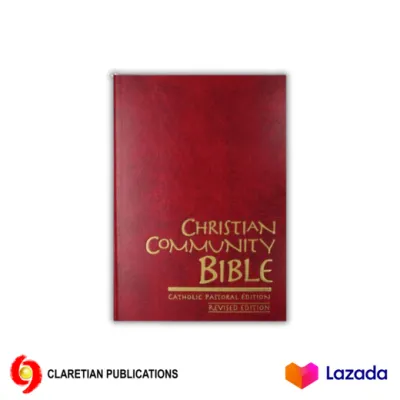
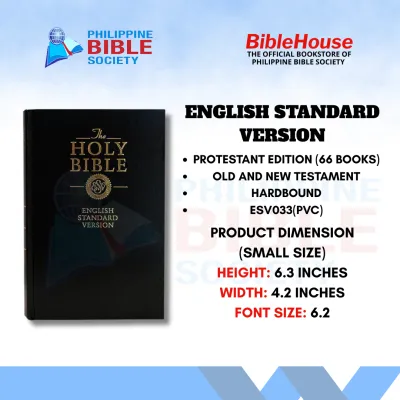
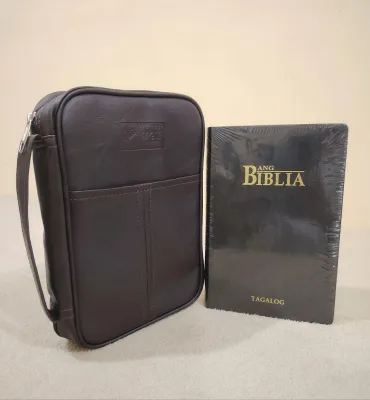
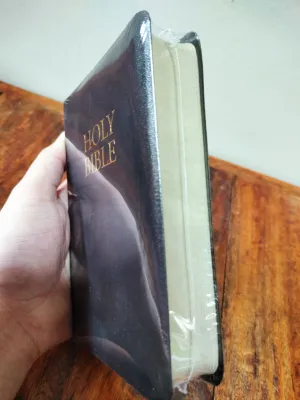
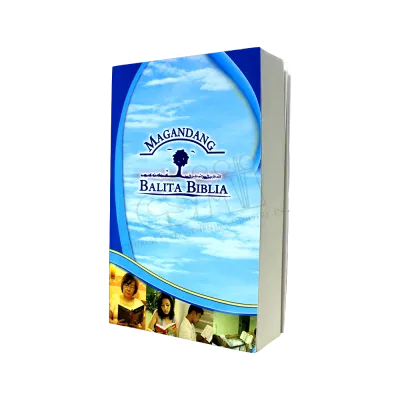
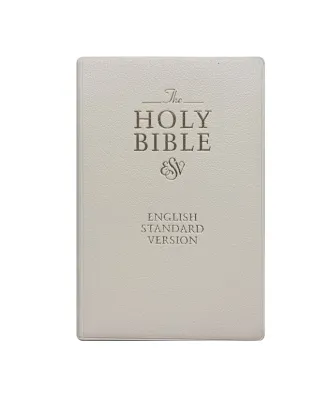
Prices are valid at publication and may change. Please refer to the product page for the latest price.
The durability of the binding determines how well your Bible will survive daily handling and travel. Most budget-friendly compact Bibles use glued bindings, where the pages are cut and glued directly to the spine. Over time, especially in warm and humid climates, these glues can dry out, crack, and cause individual pages to fall out. A highly durable alternative is a Smyth-sewn binding, where the pages are gathered into sections and stitched together with thread before being secured to the spine. Sewn bindings are not only exceptionally durable, but they also allow the Bible to lay flat when opened, making hands-free reading and journaling much easier.
Paper quality is another vital consideration for a daily devotional Bible. Bible paper is notoriously thin to keep the book’s overall thickness manageable, but the quality of this paper varies widely. Look for paper with high opacity, which prevents text from bleeding through from the reverse side. If you plan to highlight passages, write notes, or use color-coded markers during your devotions, test the paper’s tolerance in an inconspicuous area first. High-quality Bible paper feels smooth to the touch and resists tearing, whereas cheaper, highly acidic paper can become brittle and yellow over time.
Finally, the cover material plays a major role in protecting the delicate pages within. Hardcover editions offer excellent physical protection against bending and crushing in a crowded bag, though they add slight weight and rigidity. Softcover options include genuine leather, bonded leather, and synthetic materials like polyurethane (PU) leather. While genuine leather is highly durable and develops a beautiful patina over time, it requires occasional conditioning to prevent drying. Synthetic covers are highly flexible and budget-friendly, but they can peel or crack after prolonged exposure to tropical humidity and hand oils, making it important to evaluate your long-term usage expectations.
Matching Bible Sizes to Your Daily Devotional Routine
The ideal size for your Catholic Bible depends heavily on where and how you intend to use it. Pocket and thinline editions are the most portable options available, typically measuring around 4 by 6 inches and less than an inch thick. These ultra-compact formats are perfect for commuters who read on public transit, travelers who need to pack light, or anyone who wants to keep a Bible in a small purse or backpack. However, the trade-off for this extreme portability is a smaller font size, narrower margins, and often the omission of extensive study notes or cross-references.

Personal and compact editions represent a middle ground, usually measuring around 5 by 7 inches. These Bibles are slightly larger than pocket editions but remain highly portable, making them excellent for home devotions, parish prayer groups, or desk use. The slightly larger page size allows publishers to use larger fonts, wider margins for brief notes, and more comprehensive study aids. For most readers, a personal compact edition offers the best balance of readability and portability, serving as an all-purpose volume for both private reflection and community study.
For readers who struggle with small print but still want a portable Bible, giant print compact editions are an excellent solution. These specialized editions use creative typesetting, thinner margins, and slightly thicker profiles to accommodate larger text—often 10 to 12 points—within a compact footprint. While they may be slightly heavier than standard compact Bibles, they eliminate the eye strain associated with small print. This makes them highly suitable for older adults, individuals with visual impairments, or anyone who prefers to read in low-light environments, such as during early morning devotions or evening adoration.
To choose the right size, reflect on your daily routine and identify your primary reading environment. If your Bible will mostly sit on your bedside table or desk, a slightly larger personal compact edition will provide a more comfortable reading experience. If you plan to carry your Bible with you everywhere you go, a pocket or thinline edition will ensure that you always have the Word of God within arm’s reach. Matching the physical dimensions of the book to your lifestyle is the best way to ensure that your Bible becomes an active part of your daily routine rather than an ornament on a shelf.
Ensuring Authentic Translations and Ecclesiastical Approvals
When purchasing a Catholic Bible, verifying its authenticity and doctrinal accuracy is paramount. Unlike standard editions, a Catholic Bible must contain the complete canon of Scripture and carry official ecclesiastical approval. To verify this, open the Bible to the copyright or title page and look for the terms Nihil Obstat and Imprimatur. The Nihil Obstat is an official declaration by a church censor that the text contains nothing contrary to faith or morals, while the Imprimatur is the formal approval by a bishop authorizing the publication. These markings indicate that the translation has been reviewed for doctrinal accuracy and is approved for Catholic devotional use.
It is also important to identify the specific English translation used in the edition, as different translations serve different devotional styles. Popular approved translations include the Revised Standard Version Second Catholic Edition (RSV-2CE), which is highly regarded for its formal equivalence and traditional, poetic language. The English Standard Version Catholic Edition (ESV-CE) offers a modern, word-for-word translation that is excellent for deep study and memorization. For those who prefer a more contemporary, thought-for-thought approach, the New American Bible Revised Edition (NABRE) or the New Jerusalem Bible (NJB) provide highly accessible language that is easy to understand during rapid reading.
Another critical check is ensuring the inclusion of the Deuterocanonical books. These seven books—Tobit, Judith, Wisdom, Sirach, Baruch, and 1 and 2 Maccabees, along with specific additions to Esther and Daniel—are an integral part of the Catholic Old Testament canon. In standard Protestant or ecumenical editions, these books are either omitted entirely or grouped separately in an appendix. A true Catholic Bible integrates these books into their historical and canonical order within the Old Testament, ensuring that your daily reading plan aligns perfectly with the liturgical readings of the Church.
By taking a few moments to inspect the copyright page and table of contents, you can avoid accidentally purchasing an incomplete or unapproved translation. Reading an approved translation ensures that the footnotes, cross-references, and introductory materials align with Catholic theological tradition. This doctrinal alignment provides a solid foundation for your spiritual growth, giving you confidence that your daily reflections are guided by the authentic teachings of the Church.
What to Check Before Buying in the Philippines
Purchasing a Bible in the Philippines requires specific attention to local retail conditions and environmental factors. Before finalizing your purchase, physically inspect the copy if you are buying from a brick-and-mortar store. Check the spine for any signs of cracking, ensure that the pages are cut cleanly and do not stick together, and flip through the book to verify that there are no misprinted, blank, or misaligned pages. If you are buying online, read customer reviews carefully and ask the seller for photos of the copyright page to confirm the presence of the Imprimatur and the correct translation.
To ensure you are getting an authentic, high-quality edition, buy from reputable sources. Authorized Catholic bookstores, diocesan offices, and official parish shops are the safest places to purchase Bibles locally. These retailers source their inventory directly from authorized publishers, reducing the risk of purchasing pirated or poorly printed copies. If you prefer to shop on online marketplaces or ecommerce platforms, look for the official flagship stores of established Catholic publishers or trusted local distributors rather than unverified third-party sellers who may offer cheap, low-quality counterfeits.
The tropical climate of the Philippines presents unique challenges for book preservation that you should consider before buying. High humidity and heavy rainfall during the wet season can cause thin Bible pages to warp, stick together, or develop mold. To protect your investment, consider purchasing a zippered Bible cover or a water-resistant sleeve to shield the book from moisture and physical damage while in transit. Additionally, checking the publication date and the reputation of the publisher can give you insight into the quality of the materials used, as established publishers often use paper and bindings specifically treated to resist environmental degradation.
Finally, consider the practical aspects of customer support and return policies. Whether you are budgeting a few hundred pesos or over ₱2,000 for a premium edition, verifying the physical construction ensures your investment lasts. If you discover a manufacturing defect, such as missing pages or a misaligned binding, after bringing the Bible home, a reputable seller will offer a straightforward exchange or refund. Keep your receipt and verify the store’s return policy before purchasing. Taking these precautions ensures that your hard-earned money is spent on a durable, high-quality volume that will serve as a reliable companion for your daily prayers and reflections.
Frequently Asked Questions (FAQ)
Can I use a standard Protestant small Bible for Catholic daily devotions?
While you can read any Bible for general inspiration, a standard Protestant Bible is not recommended for Catholic daily devotions. Protestant editions omit the seven Deuterocanonical books of the Old Testament, which are an essential part of the Catholic biblical canon. Furthermore, Catholic daily devotions often rely on the liturgical calendar, and missing these books will leave gaps in your reading plan. Catholic-approved Bibles also include essential explanatory footnotes and commentary that align with Church teachings, helping you interpret difficult passages correctly and avoid theological misunderstandings during your personal reflections.
How do I prevent the pages of a thin small Bible from tearing?
Preserving the delicate, thin paper of a compact Bible requires gentle handling and proper storage. Always turn pages from the middle or bottom edge rather than pulling from the top corner, which puts unnecessary stress on the paper fibers. Avoid using heavy ink pens or standard highlighters that can bleed through or weaken the paper; instead, use dry highlighters or soft colored pencils designed specifically for thin Bible pages. Finally, use flat, lightweight ribbon bookmarks rather than folding page corners or inserting thick objects like pens, holy cards, or metal clips, which can stretch the binding and tear the pages over time.
Community discussion
Share your experience or ask a question. Comments are reviewed before publication.