
Finding the right people skills book as a professional in the Philippines requires looking beyond generic bestseller lists. While global business literature offers valuable foundational strategies, the local workplace demands a unique balance of professional assertiveness and cultural sensitivity. To truly elevate your career, you need books that help you navigate hierarchical corporate structures, bridge generational gaps, and manage delicate feedback scenarios without causing friction.
The ideal reading list is one that provides actionable, structured frameworks rather than vague motivational advice. By focusing on books that address interpersonal dynamics, active listening, and conflict resolution, you can develop a communication style that respects local cultural norms while meeting international professional standards.
Identifying Your Specific Workplace Communication Hurdles
Before purchasing any self-help or professional development book, you must identify the exact communication bottlenecks you experience in your daily work life. The corporate landscape in the Philippines is deeply influenced by social values that prioritize harmony, respect for authority, and collective agreement. While these values foster a supportive and warm working environment, they can sometimes make assertive communication, upward feedback, and conflict resolution challenging.
Products mentioned in this guide
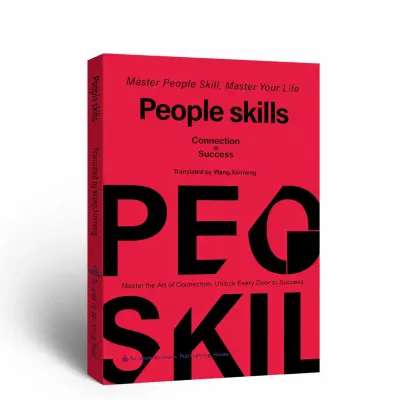
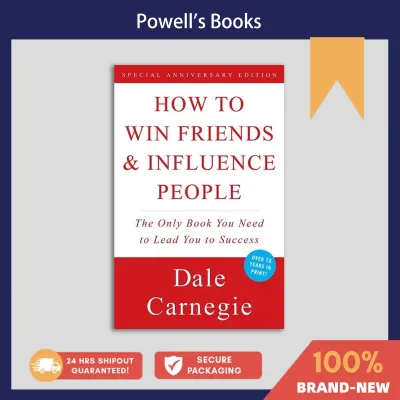
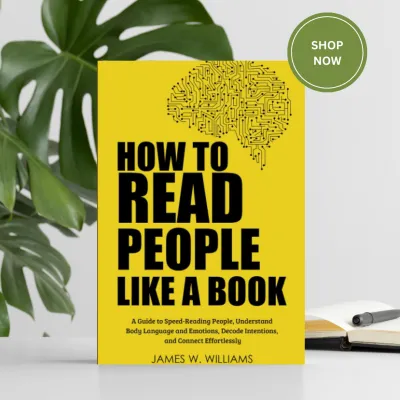
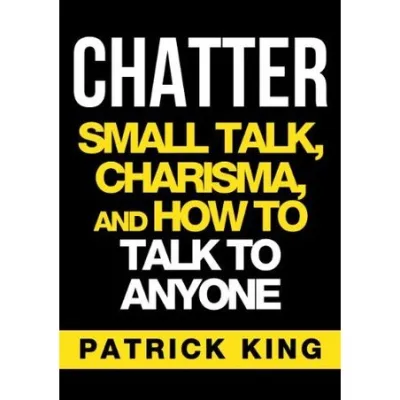
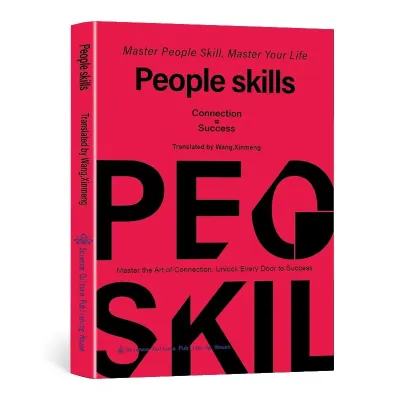

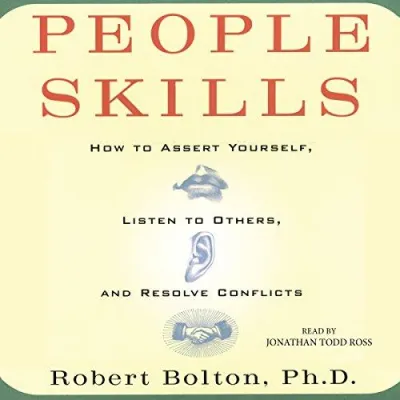
Prices are valid at publication and may change. Please refer to the product page for the latest price.
One of the most common hurdles is navigating hierarchical structures and managing up. In many local organizations, challenging a supervisor’s decision or expressing a dissenting opinion can feel uncomfortable. You might find yourself agreeing silently during meetings, only to deal with execution issues later. A suitable people skills book should offer concrete strategies for expressing respectful disagreement, presenting alternative solutions to leadership, and establishing professional boundaries without appearing disrespectful.
Another critical area is building rapport across diverse regional, linguistic, and generational backgrounds. Modern workplaces, especially in major urban hubs and business process outsourcing (BPO) centers, bring together individuals from various provinces, age groups, and cultural backgrounds. Bridging these gaps requires high emotional intelligence and active listening. You need resources that teach you how to decode non-verbal cues, adapt your speaking style to different audiences, and build genuine connections that transcend demographic differences.
Finally, balancing directness with cultural sensitivity is a constant balancing act. The concept of hiya (saving face) plays a significant role in how feedback is given and received. Direct criticism, even when constructive, can sometimes be perceived as a personal attack, leading to strained working relationships. To overcome this, look for books that provide frameworks for delivering soft-but-firm feedback, separating the person from the performance issue, and maintaining psychological safety within your team.
Key Criteria for Evaluating a People Skills Book
With thousands of self-help and business communication titles available, selecting the right book requires a systematic evaluation process. Not all highly recommended global titles translate well to the day-to-day realities of a local office or a remote team setting. To ensure your time and money are well spent, consider the following criteria before making a purchase.

First, assess the cultural adaptability of the book’s concepts. Many popular communication guides are written from a highly individualistic, Western-centric corporate perspective. These books often advocate for extreme directness, aggressive negotiation tactics, and self-promotion. While these strategies may work in some multinational environments, they can backfire in Southeast Asian workplaces that value collaboration, humility, and collective consensus. Look for authors who acknowledge cultural nuances or whose frameworks are flexible enough to be adapted to high-context communication styles.
Second, prioritize actionable frameworks over purely theoretical or motivational essays. A great people skills book should do more than just convince you that communication is important; it must show you how to communicate better. Look for books that include step-by-step guides, sample scripts, self-assessment quizzes, and real-world case studies. If a book consists mostly of personal anecdotes and vague encouragement without concrete tools, it is unlikely to help you build lasting habits.
Third, evaluate the author’s credibility and the research backing their claims. Books grounded in behavioral science, organizational psychology, or extensive corporate consulting tend to offer more reliable advice than those based solely on personal opinion. Check if the author has worked with diverse organizations, managed large teams, or conducted peer-reviewed research. This background ensures that the strategies offered are robust, repeatable, and applicable to modern corporate, BPO, or remote team settings where cross-cultural collaboration is the norm.
Core Themes and Classic Examples for Professional Growth
To build a well-rounded communication toolkit, it is helpful to categorize your reading goals into distinct themes. Rather than viewing people skills as a single, broad category, you can target specific areas of improvement by exploring established literary themes. The following classic examples serve as non-exhaustive reference points to help you identify the right genre of literature for your current career stage.
Theme 1: Navigating Hierarchy and Organizational Dynamics
This theme focuses on understanding power structures, building professional influence, and managing relationships with stakeholders at all levels. Books in this category are essential for mid-level professionals who need to lead without formal authority or coordinate projects across different departments. Classic foundational texts on corporate structure, lateral leadership, and strategic persuasion fall under this umbrella. These books teach you how to align your communication with organizational goals, present ideas in a way that appeals to decision-makers, and build alliances across teams.
Theme 2: Conflict Resolution and High-Stakes Dialogue
When stakes are high and emotions run hot, communication often breaks down. This theme covers frameworks for managing difficult conversations, negotiating mutually beneficial outcomes, and de-escalating workplace tension. If you struggle with performance reviews, salary negotiations, or resolving disputes among team members, books in this category are invaluable. They provide structured models for separating facts from emotions, identifying underlying interests, and speaking persuasively under pressure without damaging long-term professional relationships.
Theme 3: Empathy, Active Listening, and Interpersonal Rapport
At the heart of all successful professional interactions is the ability to connect with others on a human level. This theme explores the fundamentals of human relations, emotional intelligence, and active listening. Classic guides in this genre emphasize the importance of showing genuine interest in others, remembering names, validating feelings, and building trust. These books are particularly beneficial for team leaders, managers, and customer-facing professionals who need to foster a collaborative, supportive, and highly engaged work environment.
Please note that these themes and examples are illustrative starting points rather than a definitive or ranked list of the “best” books. The publishing industry frequently updates titles with revised editions, new forewords, and updated case studies that reflect modern digital workplaces. Before purchasing, verify the current edition to ensure you are getting the most relevant and up-to-date content.
Translating Book Concepts into Daily Workplace Habits
Reading a book is only the first step; the real value lies in how you apply those concepts to your daily professional life. Without a deliberate plan for implementation, even the most groundbreaking insights will quickly be forgotten. To turn passive reading into active skill-building, you must establish a structured approach to practice.
Start by setting micro-goals for your weekly communication habits. Instead of trying to overhaul your entire communication style overnight, focus on one small technique per week. For example, if you read a chapter on active listening, your goal for the week could be to let your colleagues finish speaking entirely before formulating your response. If you are practicing a new feedback framework, try applying it in a single, low-stakes one-on-one meeting. Write these micro-goals down in a journal or a digital planner to keep them top of mind.
Next, adapt global or generalized frameworks to fit your local team dynamics and company culture. If a book suggests a highly direct script for addressing a peer’s mistake, modify the language to sound natural and respectful within your specific office environment. You can soften the delivery by using collaborative pronouns like “we” instead of “you,” or by scheduling a private, informal chat over coffee rather than sending a formal email. The goal is to preserve the core intent of the framework while respecting local social norms.
Finally, track your personal progress and seek constructive feedback. After trying a new communication technique, take a few minutes to reflect on the outcome. Did the conversation go as planned? How did the other person respond? What could you have done differently? Additionally, if you have a trusted mentor or peer at work, share your learning goals with them. Ask them to observe your communication during meetings and provide honest feedback on your progress. This continuous loop of action, reflection, and feedback is the key to mastering interpersonal skills.
Sourcing and Verifying Authentic Book Editions
To get the most out of your reading journey, it is crucial to source authentic, high-quality copies of your chosen books. The local market has seen a rise in unauthorized reprints, poorly scanned digital copies, and incomplete translations. Reading a pirated copy not only deprives authors of their rightful earnings but also risks exposing you to missing chapters, formatting errors, and low-quality printing that can hinder your learning experience.
When shopping for physical books, always prioritize authorized online bookstores, official publisher storefronts, and reputable local physical retailers. Major national book chains and established independent bookshops are reliable sources for genuine imports. If you are purchasing from online marketplaces, look for verified seller badges, official brand malls, and detailed customer reviews that confirm the physical quality of the book. Be wary of listings with prices that seem unusually low, as these are often indicators of counterfeit prints. For instance, genuine paperbacks typically range from ₱500 to ₱1,500 depending on the publisher and format.
Before finalizing your purchase, verify the book’s technical details to ensure completeness. Check the International Standard Book Number (ISBN), publisher details, edition language, and publication date. This is especially important for classic titles that may have multiple editions, abridged versions, or outdated translations. Ensuring you have the latest revised edition guarantees that the case studies and workplace scenarios discussed are relevant to today’s digital and hybrid work environments.
If you prefer digital reading, compare e-book and audiobook formats based on your device compatibility and digital rights management (DRM) restrictions. Ensure that the platform you use is compatible with your e-reader, tablet, or smartphone. Some digital formats may require specific applications or proprietary software to access, so verify these requirements before buying. Additionally, check if the digital edition includes all the supplementary materials, such as worksheets, diagrams, and self-assessment tools, that are present in the physical copy.
Frequently Asked Questions (FAQ)
Are audiobooks as effective as physical copies for learning communication skills?
Audiobooks can be highly effective, but their utility depends on your learning style and daily routine. If you have a long daily commute in a busy metro area, listening to an audiobook can turn otherwise unproductive travel time into a valuable learning session. Audiobooks also allow you to hear the narrator’s tone, inflection, and pacing, which is particularly helpful when learning how to deliver spoken feedback or navigate difficult conversations. However, passive listening can sometimes lead to lower retention. To maximize learning, consider pairing audiobooks with active note-taking, or use them for initial exposure and refer to a physical or digital copy for deep study and highlighting.
How can I ensure a translated or localized edition retains the original frameworks?
To ensure a translated edition maintains the integrity of the original concepts, look for copies that include publisher notes, translator forewords, or specialized glossaries. These sections often explain how complex business terms or psychological frameworks were adapted to fit the target language’s cultural context. If a translated concept feels confusing or lacks clarity during your reading, cross-reference the key terms with the original English text. Many professional development books maintain online resources or companion websites where the original frameworks, diagrams, and terminology are freely accessible for verification.
Community discussion
Share your experience or ask a question. Comments are reviewed before publication.