
Navigating the first few weeks with a newborn can feel overwhelming, especially when you are trying to balance modern pediatric advice with traditional family expectations. The right parenting books serve as a steady, evidence-based anchor during this transition, helping you filter out well-meaning but outdated advice. To find the best books for your journey in the Philippines, you must look for resources that align with current medical standards, fit your family’s daily routine, and respect the unique cultural and environmental realities of raising a child in a tropical, multi-generational household.
Identifying Your Core Needs Before Choosing a Book
Before filling your digital cart or visiting a local bookstore, it is essential to clarify what kind of support you actually need. First-time parents often fall into the trap of buying broad, encyclopedic parenting books that cover everything from infancy to adolescence. While these comprehensive volumes are useful for long-term planning, they can feel incredibly daunting when you are in the middle of postpartum recovery and trying to figure out why your newborn will not stop crying.
To make an efficient choice, differentiate between immediate survival guides and long-term developmental resources. Survival guides focus heavily on the “fourth trimester”—the first twelve weeks after birth—covering practical skills like diapering, soothing techniques, safe sleep setups, and lactation basics. Developmental books, on the other hand, explain cognitive milestones, emotional growth, and behavioral shaping. If you are currently in your third trimester or holding a newborn, prioritizing immediate, highly visual survival guides will save you time and mental energy.
Products mentioned in this guide
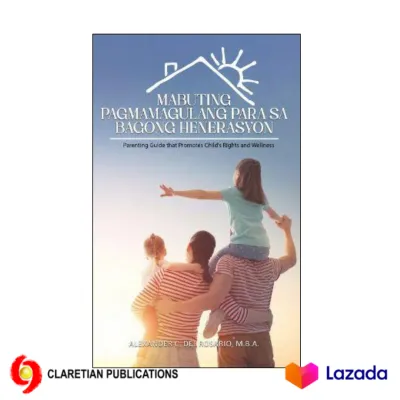
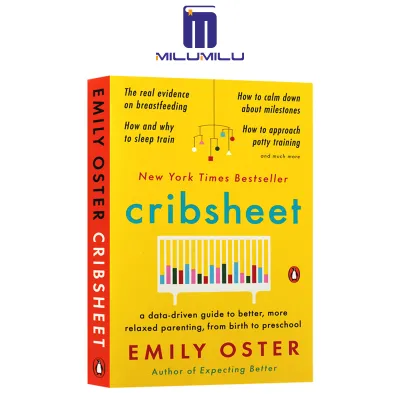
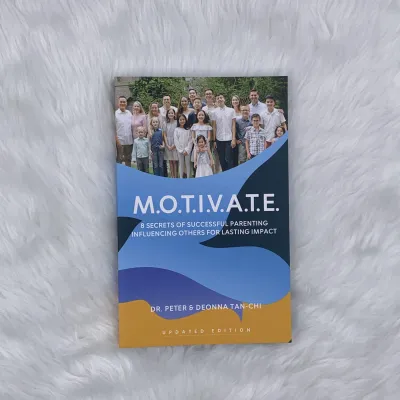
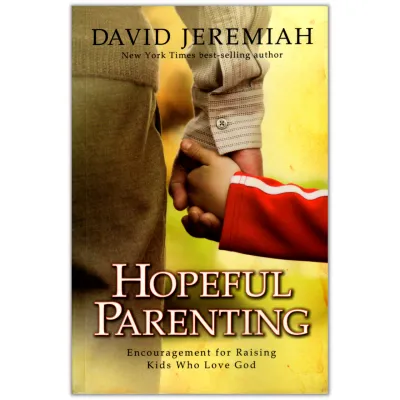
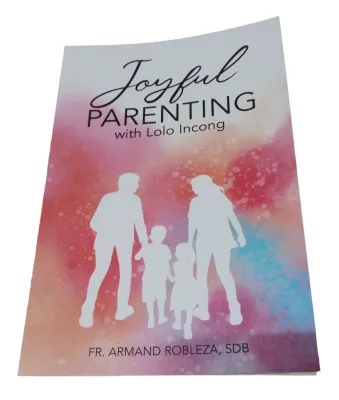
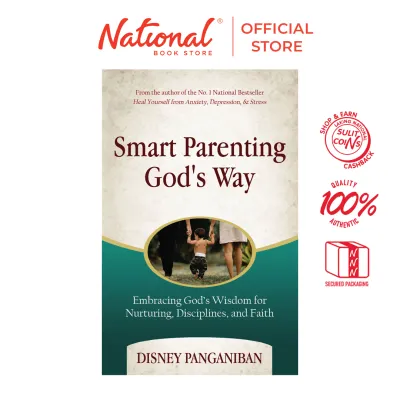
Prices are valid at publication and may change. Please refer to the product page for the latest price.
You must also consider how local cultural practices and your household structure will interact with the book’s advice. In many Filipino homes, parenting is a communal effort involving grandparents, aunts, uncles, or hired helpers. If your household plans to practice traditional customs, you may want to look for books that explain the science behind newborn care in a way that helps you communicate boundaries respectfully with older relatives. For instance, a book that clearly explains why newborns should not be given water or why heavy swaddling can cause overheating in our humid tropical climate can serve as an objective mediator in family discussions.
Finally, take a moment to reflect on your personal parenting philosophy. Do you lean toward structured routines with scheduled feeding and sleeping blocks, or do you prefer a more child-led, attachment-focused approach? Aligning your reading material with your natural instincts prevents cognitive dissonance. Reading conflicting philosophies simultaneously can increase anxiety, so choosing one or two foundational books that match your preferred style is generally more effective than trying to digest every school of thought at once.
How to Evaluate the Reliability and Relevance of a Book
With thousands of parenting books available on the market, evaluating the credibility of your reading material is a critical step in ensuring your baby’s safety. The most important factor to check is the author’s professional credentials. Look for books written by board-certified pediatricians, pediatric nurse practitioners, child psychologists, or certified lactation consultants. While personal memoirs and parenting blogs can offer comforting solidarity, they should not replace clinical guidance when it comes to medical decisions, feeding schedules, or sleep safety.

Equally important is verifying the publication or revision date of the book. Pediatric medicine and safety guidelines evolve rapidly as new clinical research emerges. For example, safe sleep recommendations, guidelines for introducing highly allergenic foods, and screen time advice have changed significantly over the last decade. A book published in the early 2000s might recommend sleep positions or feeding schedules that are now considered unsafe by global health organizations and the Philippine Pediatric Society. Always check the copyright page and aim for editions published or thoroughly revised within the last five years.
Cultural and environmental relevance is another critical filter for local readers. Many popular parenting books are written from a Western perspective, assuming central heating, cool climates, and easy access to specific ingredients or specialized medical systems. In the Philippines, you must adapt this advice to a tropical climate where managing heat rash, dehydration, and mosquito-borne illnesses is a daily reality. A book that insists on heavy fleece sleep sacks or complex nursery heating systems will not be practical for a warm, humid home in Manila or Cebu. Look for guides that emphasize adaptable principles rather than rigid, climate-specific rules.
Lastly, consider the language, edition, and format compatibility before making a purchase. Some international editions use localized terminology for medical supplies, over-the-counter medications, or baby gear that may not be easily found in local pharmacies or department stores. Checking whether a book uses metric measurements (such as milliliters and Celsius) rather than imperial units can also prevent confusing calculations during late-night feeding or temperature checks.
Building a Personalized Shortlist for Newborn Challenges
Instead of relying on generic bestseller lists, you can build a highly effective parenting library by categorizing books based on the specific challenges you expect to face. A well-rounded shortlist typically consists of three distinct types of books: a comprehensive medical reference, a specialized sleep or feeding guide, and a resource dedicated to parental mental health.
Your first selection should be a foundational guide that acts as an objective, step-by-step manual for physical care. This book should cover basic hygiene, umbilical cord care, bathing, and tracking developmental milestones month by month. Having a physical reference book on your nightstand allows you to quickly look up common concerns—such as normal newborn skin peeling or stool color changes—without falling down an anxiety-inducing internet search rabbit hole at two o’clock in the morning.
Next, consider adding a specialized resource that addresses your primary area of concern, which for most first-time parents is sleep or feeding. If you plan to breastfeed, a book written by an International Board Certified Lactation Consultant (IBCLC) can prepare you for the mechanics of latching, managing supply, and navigating the early days of cluster feeding. If sleep is your main worry, look for books that explain infant sleep architecture and offer gentle, gradual methods for establishing healthy sleep associations, keeping in mind that rigid sleep-training methods may need to be modified to suit your living arrangements and household noise levels.
Do not overlook the importance of books focused on parental mental health, postpartum recovery, and partner dynamics. The transition to parenthood brings massive hormonal, emotional, and relational shifts. Books that address the “fourth trimester” from the mother’s perspective, or those written specifically to help partners understand their supportive role, are invaluable. These resources help normalize the feelings of exhaustion and identity shift that often accompany a new baby, offering practical strategies for maintaining a strong relationship with your partner.
To narrow down your choices, look for books that carry endorsements from recognized professional bodies, such as the American Academy of Pediatrics or local pediatric associations. Reading verified reviews on parenting forums or asking for recommendations in local parent support groups can also help you identify which books have actually proven practical and comforting for families living in similar environments.
Where to Buy and Verify Authentic Books in the Philippines
Once you have curated your shortlist, the next step is sourcing authentic copies of your chosen books. In the Philippines, major national bookstore chains like Fully Booked and National Book Store are highly reliable sources for imported and local parenting titles. Visiting a physical branch allows you to flip through the pages, assess the layout, and determine if the font size and formatting are comfortable for tired eyes. If a specific title is out of stock, these chains can often place a special order for you.
If you prefer shopping on online e-commerce platforms, you must exercise caution to avoid counterfeit books. Unauthorized, low-quality reprints are highly prevalent on online marketplaces, often priced significantly lower than retail value (sometimes under ₱200). These counterfeit copies frequently suffer from missing pages, blurry text, misaligned diagrams, and chemical-smelling ink, which can make reading difficult and unpleasant. To ensure you are buying an authentic copy, look for the official store badge, check that the price aligns with standard retail rates (typically ₱500 to ₱1,500 for imported paperbacks), and read customer reviews to verify print quality.
For budget-conscious parents or those who prefer not to accumulate physical clutter, alternative sourcing methods are highly viable. Some local community libraries, university archives, or neighborhood book exchanges carry excellent selections of parenting literature. Additionally, digital reading platforms and e-book stores offer instant access to international titles without the wait times or high shipping fees associated with physical imports.
When purchasing digital formats, verify that the file is compatible with your preferred device, whether it is an e-reader, tablet, or smartphone. Digital books are particularly convenient for late-night reading because they do not require an external book light, allowing you to read quietly while your baby sleeps beside you without disturbing their rest.
Frequently Asked Questions (FAQ)
Should I buy physical books or digital versions for newborn care?
Choosing between physical and digital formats depends largely on your reading habits and lifestyle during the postpartum period. Physical books are excellent for quick reference; you can easily bookmark pages, highlight key passages, and leave the book open on a changing table for hands-free reading. However, digital books are highly portable, allow you to search for specific keywords instantly, and can be read on a backlit screen in a dark room while nursing or rocking your baby to sleep. Many parents find that a combination works best: a physical copy for comprehensive reference manuals and digital versions for quick-read guides.
How can I tell if a parenting book's advice is outdated?
You can identify outdated advice by cross-checking the book’s recommendations against current guidelines from major health organizations, such as the World Health Organization (WHO) or the Philippine Pediatric Society. Red flags that indicate outdated information include recommendations to put babies to sleep on their stomachs or sides, advice to introduce solid foods or water before six months of age, or suggestions to use rubbing alcohol to treat a newborn’s fever. If a book promotes rigid feeding schedules over feeding on demand, or suggests harsh sleep-training methods before the baby is developmentally ready, it is best to consult your pediatrician for updated guidance.
Community discussion
Share your experience or ask a question. Comments are reviewed before publication.