
Choosing the right NLT Bible depends entirely on how you intend to engage with the Scriptures. The New Living Translation (NLT) is celebrated worldwide for its clear, modern English, making it exceptionally accessible for personal devotion, public reading, and deep study. However, because the NLT text is packaged into hundreds of different physical editions—ranging from massive, note-heavy study volumes to elegant, wide-margin journaling formats—finding the perfect match requires looking closely at layout, paper quality, and structural features. This guide will help you navigate the diverse ecosystem of the NLT Bible, ensuring you select an edition that aligns with your spiritual habits, lifestyle, and study goals.
Understanding the NLT Translation and Key Format Features
To make an informed decision, it is essential to first understand what makes the NLT unique. The New Living Translation employs a “dynamic equivalence” or “thought-for-thought” translation philosophy. Rather than translating ancient Greek, Hebrew, and Aramaic word-for-word—which can sometimes result in stiff or confusing English phrasing—the translators focused on rendering the original thoughts into natural, modern English. This makes the NLT exceptionally smooth to read aloud and easy to comprehend during rapid reading sessions.
However, readers must distinguish between the translation itself and the physical edition or format they buy. While the text remains the same, the packaging changes how you interact with it. In tropical climates like the Philippines, where high relative humidity can cause thin paper to warp or ink to bleed, checking physical specifications is critical. You must evaluate the paper opacity (measured in GSM, or grams per square meter), binding durability (such as Smyth-sewn versus glued spines), font size, and margin width before making a purchase. Additionally, always verify the specific edition, language, physical medium, regional restrictions, device compatibility for digital versions, and content completeness from an authorized source. Never infer the exact contents or features of an edition solely from its cover design or title.
Products mentioned in this guide
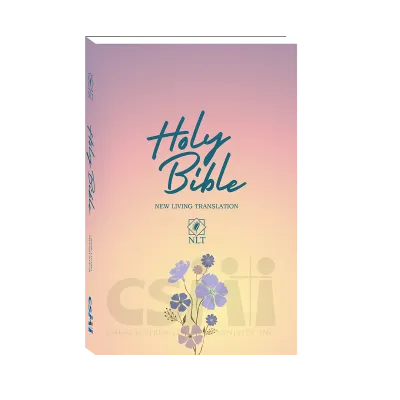
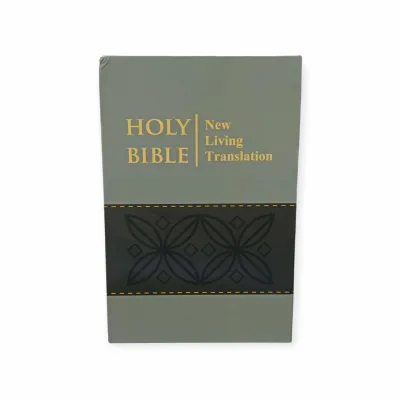
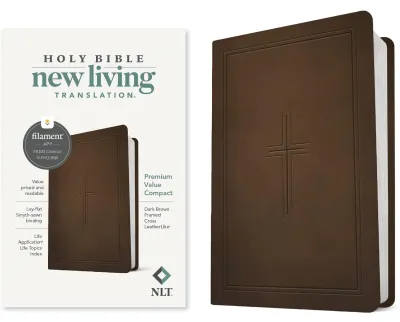
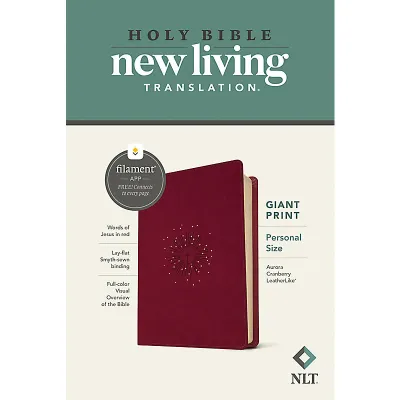
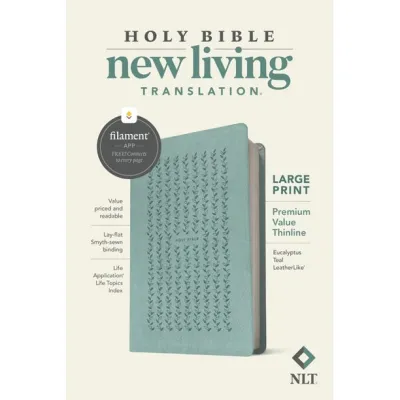
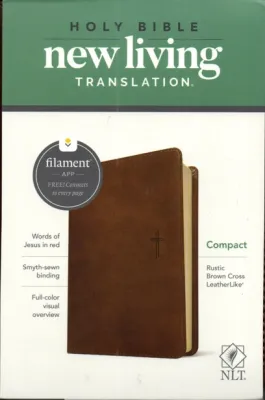
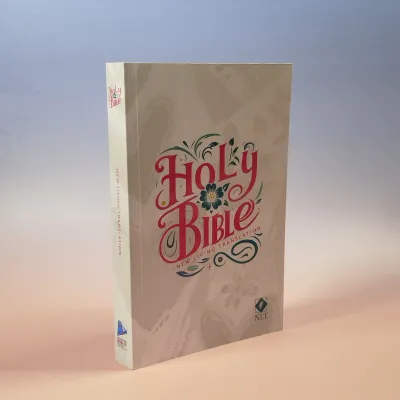
![NLT [New Living Translation] - Old and New Testament: Compact Edition (NEW](https://img.lazcdn.com/g/p/2ad25e6820142944ebfc4e49b010031c.png_400x400q80.png_.webp)
Prices are valid at publication and may change. Please refer to the product page for the latest price.
NLT Editions for Deep Study and Theological Research
For those who want to dig beneath the surface of the text, analyze historical contexts, and unpack original word meanings, a standard reader’s Bible may feel incomplete. Serious study requires an edition designed to provide immediate context, historical background, and cross-references directly on the page.

Comprehensive Study Bibles
Comprehensive NLT study Bibles, such as the NLT Study Bible or the highly popular Life Application Study Bible, are engineered as all-in-one theological libraries. These editions surround the biblical text with extensive study notes, detailed book introductions, historical timelines, maps, and extensive concordances. The NLT Study Bible focuses heavily on the historical-literary context, providing background on ancient customs and original language word studies. In contrast, the Life Application Study Bible emphasizes personal application, offering practical insights on how to live out biblical truths in modern daily life.
When choosing a comprehensive study Bible, you must prepare for significant physical trade-offs. Because these books pack hundreds of pages of commentary alongside the scripture, they are exceptionally heavy, often weighing over 1.5 kilograms. To keep the book from becoming impossibly thick, publishers frequently use thinner paper and smaller font sizes (often 7pt to 8.5pt for the study notes). Additionally, before purchasing, you should verify the theological perspective of the commentary notes, as different study Bibles may lean toward specific denominational or systematic interpretations.
Specialty and Reference Editions
If you prefer to study scripture without the interpretive influence of extensive commentary, reference and specialty editions are an excellent alternative. A classic reference NLT Bible prioritizes cross-reference chains—cross-references are index pointers that direct you to other passages addressing the same theme, prophecy, or historical event. These are usually placed in a central column or along the margins, leaving the main text clean and distraction-free.
Specialty formats also include chronological Bibles, which rearrange the biblical text in the order events historically occurred, and parallel Bibles, which place the NLT text side-by-side with a more literal translation like the ESV or NASB. When evaluating a reference Bible, pay close attention to the density and layout of the cross-references. Ensure they are organized clearly so you can easily follow the thematic threads without experiencing visual clutter or eye strain during long reading sessions.
NLT Formats for Daily Devotion and Personal Reflection
If your primary goal is to foster a consistent daily quiet time, cultivate mindfulness, or physically document your spiritual journey, your needs will differ from those of an academic researcher. Devotional and journaling formats prioritize reflection, creative expression, and habit-building over technical commentary.
Devotional and Themed Bibles
NLT devotional Bibles are structured to integrate scripture reading with guided spiritual reflection. Rather than featuring academic footnotes, these editions intersperse the biblical text with daily devotionals, prayers, and thought-provoking application questions. Many of these Bibles are curated around specific themes or demographic groups, such as editions tailored for men, women, couples, or youth, helping readers apply biblical wisdom to their specific life stages and challenges.
When selecting a devotional edition, check whether the reading plan is dated (e.g., organized from January 1 to December 31) or undated. Dated devotionals provide excellent structure for starting a New Year’s resolution, but they can feel restrictive if you miss a few days. Undated editions offer greater flexibility, allowing you to read at your own pace without feeling behind. Additionally, verify that the devotional writers’ theological tone and style resonate with your personal spiritual preferences before committing to a year-long reading plan.
Journaling and Wide-Margin Bibles
Journaling Bibles have surged in popularity among those who interact with scripture by writing down prayers, documenting personal insights, or creating Bible art. The primary feature of these editions is the inclusion of wide, ruled, or blank margins on the sides of the text. Some specialized journaling editions even feature interleaved blank pages inserted between every single page of scripture, providing ample room for extensive note-taking or watercolor illustrations.
For journaling, paper quality is the absolute most critical factor to verify. Standard Bibles use thin, lightweight paper that will easily bleed or show “ghosting” (where writing is visible on the reverse side of the page) when used with gel pens, highlighters, or markers. Look for journaling editions that explicitly specify thick, high-opacity paper (ideally 38 GSM or higher) to withstand ink in humid climates. Furthermore, consider whether you prefer a single-column layout, which naturally leaves wider margins on the outer edge, or a traditional double-column layout with narrower margins on both sides.
NLT Bibles for Gifting, Milestones, and Accessibility
A Bible is often more than a personal tool; it is a cherished gift for milestones like graduations, weddings, baptisms, or retirements, or a vital accommodation for those managing visual challenges. In these cases, the physical craftsmanship and readability of the edition take center stage.
Large Print and Easy-Read Editions
For seniors, visually impaired readers, or anyone who experiences eye strain during prolonged reading, a large print NLT Bible is essential. However, the term “large print” is not standardized across the publishing industry. A Bible labeled “large print” might feature a 10-point font, while a “giant print” or “super giant print” edition might range from 12-point to 16-point or larger. You should always verify the exact point size in the product specifications rather than relying on the cover marketing.
Beyond font size, look for layouts designed for visual comfort. Single-column layouts with generous line spacing and high-contrast, off-white paper are significantly easier on the eyes than dense, double-column layouts printed on highly reflective, bright white paper. Keep in mind the physical trade-off: as the font size increases, the physical dimensions and weight of the Bible grow substantially. A super giant print Bible may be perfect for a desk or pulpit but highly impractical to carry in a bag for daily travel.
Premium and Commemorative Gift Editions
When commemorating a major life milestone, a premium NLT Bible serves as a lasting heirloom. Premium editions are distinguished by their high-grade materials and superior binding methods. Look for Bibles bound in genuine leather, such as goatskin or calfskin, which soften and age beautifully over time. A critical feature of any premium Bible is a Smyth-sewn (or section-sewn) binding. Unlike glued bindings, which stiffen and cause the Bible to snap shut, a Smyth-sewn spine allows the Bible to lay completely flat on a table from Genesis to Revelation, protecting the pages from pulling loose.
For gift-giving, check for the inclusion of elegant presentation pages, family record sections, and ribbon markers. Many premium editions also feature gilded page edges (gold or silver foil) and art gilding (a colored under-gold dye that gives the edges a warm, rich tone). You can also look for customization options, such as foil-stamped name personalization on the cover, to make the gift truly unique, while ensuring the internal text remains a clear, authorized NLT translation.
Cross-Scenario Compatibility: Finding a Versatile NLT Bible
If your budget or shelf space is limited, you might not want to buy separate study, devotional, and travel Bibles. Finding a single, versatile NLT Bible requires balancing the depth of a study edition with the lightweight convenience of a portable reader’s Bible.
A common dilemma is the “Study Bible vs. Thinline” trade-off. Thinline Bibles are incredibly thin (often less than an inch thick) and lightweight, making them perfect for carrying in a backpack or handbag during daily commutes, such as on the MRT or bus. However, they lack study notes and references. To bridge this gap, many readers adopt a hybrid approach. You can carry a lightweight, durable Thinline NLT Bible for daily reading, and pair it with a free digital NLT study app on your smartphone or tablet when you need to look up historical context or Greek word meanings.
If you prefer a single physical volume that does a little of everything, look for a “personal size” reference Bible. These editions typically feature a readable 8.5pt to 9.5pt font, basic cross-references, and a small concordance, all packed into a form factor that is easy to hold in one hand. Local pricing generally ranges from budget paperback or hardcover editions under ₱1,000, to mid-range leatherlike editions between ₱1,500 and ₱3,000, up to premium imported goatskin editions exceeding ₱5,000. When selecting your primary Bible, prioritize the feature that represents your biggest daily bottleneck: if you have visual difficulties, prioritize font size; if you commute daily, prioritize weight; if you are an avid note-taker, prioritize margin space.
Frequently Asked Questions (FAQ)
Is the NLT translation accurate enough for serious study?
Yes, the NLT is highly accurate and suitable for serious study. It was translated by a team of over 90 leading biblical scholars working directly from the best available ancient Hebrew, Aramaic, and Greek texts. While its dynamic, thought-for-thought style prioritizes clear modern English, it remains highly faithful to the original writers’ intent and is excellent for thematic, contextual, and comparative study.
What is the difference between a journaling Bible and a devotional Bible?
The primary difference lies in who provides the reflective content. A journaling Bible is designed with blank or lined wide margins, leaving space for your own handwritten notes, prayers, and artwork. A devotional Bible, on the other hand, comes pre-printed with articles, daily reflections, and guided prayers written by Christian authors to help guide your spiritual thoughts.
How do I choose the right font size for a large print NLT Bible?
To choose the correct size, ignore marketing labels and check the exact point size in the publisher’s specifications. Standard text is typically 7pt to 8pt, large print is usually 10pt to 11pt, and giant or super giant print ranges from 12pt to 16pt. Also, look for highly legible typefaces designed specifically to maximize readability at smaller point sizes.
Community discussion
Share your experience or ask a question. Comments are reviewed before publication.