
Finding the right guitar lemon oil in the Philippines involves choosing a dedicated instrument conditioner that matches your fretboard wood type and can withstand the local tropical climate. While several reputable brands like Dunlop, MusicNomad, and D’Addario are widely distributed in local music stores and online marketplaces, selecting the correct product requires understanding your guitar’s specific needs. Proper fretboard care prevents wood from drying out or cracking under high humidity fluctuations, ensuring your instrument remains playable and structurally sound for years.
Does Your Fretboard Actually Need Lemon Oil?
Before purchasing any maintenance products, it is essential to determine whether your guitar’s fretboard actually requires oiling. Not all fretboards are made of the same materials, and applying oil to the wrong surface can lead to a sticky, unplayable mess. Unfinished, porous hardwoods such as rosewood, ebony, and pau ferro are the primary candidates for conditioning. These woods are left unsealed during manufacturing, meaning they can lose moisture over time, especially when exposed to dry air.
Conversely, finished woods like maple—which are typically sealed with a clear polyurethane or nitrocellulose lacquer—do not require oiling. Because the lacquer seals the wood completely, any oil applied to a finished maple fretboard will simply sit on the surface, attracting dirt and creating a slick, greasy layer. Some modern guitars also feature synthetic or composite fretboards, such as Richlite, which are highly stable and do not require traditional wood conditioners.
Products mentioned in this guide


Prices are valid at publication and may change. Please refer to the product page for the latest price.
To determine if your unfinished fretboard needs attention, look for clear visual and tactile signs of dryness. A dry fretboard often loses its deep, rich color, appearing pale, grayish, or dusty. Under your fingers, the wood may feel rough or dry rather than smooth. In severe cases, the wood can shrink slightly, causing the metal fret ends to protrude past the edge of the neck—a condition known as fret sprout that can make playing uncomfortable or even painful.
It is also crucial to understand the difference between true household lemon oil and commercial “guitar lemon oil.” True lemon oil is a highly concentrated, acidic essential oil extracted from lemon peels. Using pure, highly acidic citrus oil on a guitar can dry out the wood fibers, degrade the adhesives holding the frets in place, and damage the finish. In contrast, commercial guitar lemon oil is actually a highly refined mineral oil base infused with a very small amount of lemon scent or mild citrus solvent. This mineral oil base is designed to hydrate and protect the wood safely without causing structural damage.
What to Look for in a Quality Fretboard Conditioner
When shopping for a fretboard conditioner, understanding the ingredient profile is key to protecting your investment. The primary component of most high-quality conditioners is highly refined, light mineral oil. Mineral oil is an excellent choice because it is chemically stable, does not spoil or go rancid over time, and penetrates the wood fibers effectively to restore moisture. Some premium conditioners utilize specialized, plant-based natural oils that offer similar hydrating properties without relying on petroleum distillates.

There are several common additives that you should actively avoid when selecting a product. Silicones are frequently found in cheap household furniture polishes because they create a quick, artificial shine. However, silicones penetrate deep into the wood pores and create a permanent barrier that prevents the wood from breathing. More importantly, silicone contamination makes future repairs—such as refretting or gluing loose joints—extremely difficult, as standard wood glues cannot adhere to silicone-treated surfaces. Waxes, such as carnauba or beeswax, should also be avoided on fretboards; while they are excellent for protecting the guitar’s body finish, they can build up in the wood pores of the fretboard, trapping dirt and creating a gummy residue.
Additionally, consider the presence of artificial colorants and strong fragrances. While a mild lemon scent is common and pleasant, heavily perfumed products may contain synthetic chemicals that can trigger sensitivities or leave a lingering chemical odor in your playing space. Opting for products with minimal, high-grade additives ensures that you are applying only what is necessary to preserve the wood’s natural integrity.
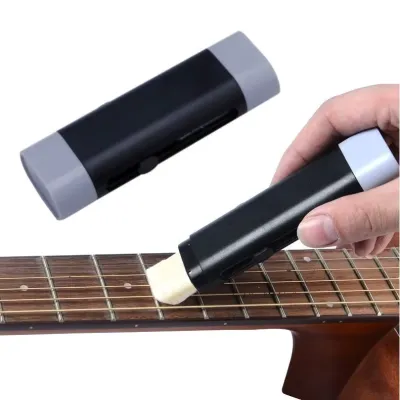
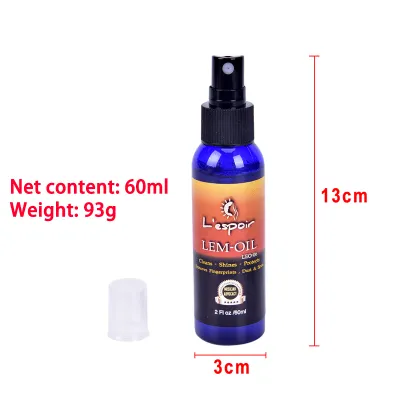
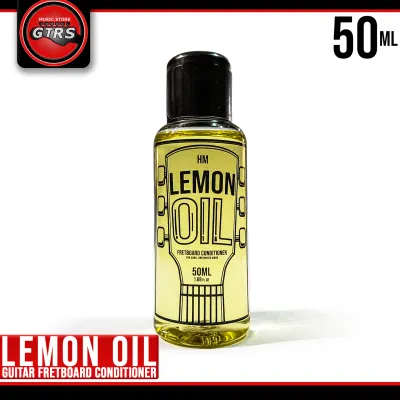
The packaging and applicator design of the conditioner also play a significant role in how easy and safe the product is to use. Dropper bottles and squeeze bottles allow you to control the exact amount of oil you dispense, minimizing the risk of over-saturation. Some brands feature built-in dab-on sponge applicators, which release oil only when pressed against the wood, ensuring an even, controlled distribution. Pre-soaked wipes are another convenient option for quick maintenance, though they offer less control over the volume of oil applied to specific dry spots.
Trusted Guitar Lemon Oil Brands to Consider
The Philippine market offers a variety of reputable guitar care brands through local music shops and authorized online distributors. When purchasing these products, it is important to verify their authenticity, as counterfeit guitar accessories can sometimes find their way into online marketplaces. Always check for intact safety seals, clear batch codes, and professional packaging. Buying from established, physical music stores or official brand stores on major ecommerce platforms is the safest way to ensure you are getting a genuine formulation.
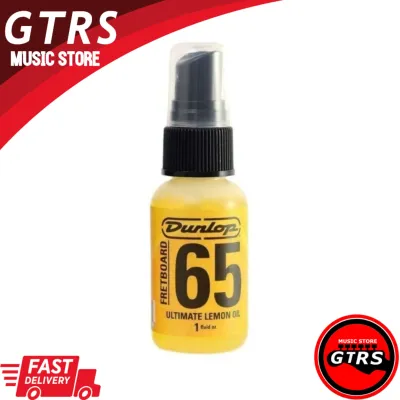
Dunlop System 65 Lemon Oil
Dunlop System 65 Ultimate Lemon Oil is one of the most widely recognized and accessible fretboard conditioners available. This product features a highly refined mineral oil base with a light, pleasant lemon scent. It is specifically formulated to clean away dirt and grease while returning moisture to dark, unfinished fretboards like rosewood and ebony.
The bottle is equipped with a built-in dab-on applicator, which helps players apply the oil evenly across the fretboard without spilling or over-saturating the wood. Because of its mineral oil formulation, a single bottle lasts for a very long time, as you only need a small amount to treat the entire neck. For regular maintenance in typical environments, applying this conditioner once or twice a year is generally sufficient to keep the wood healthy.
MusicNomad F-ONE Oil
For guitarists who prefer to avoid petroleum-based products, MusicNomad F-ONE Oil offers a highly regarded alternative. This conditioner is formulated using a complex blend of ultra-refined tree and seed oils. It contains absolutely no petroleum distillates, silicones, or waxes, making it a popular choice for players seeking an eco-friendly and gentle care solution.
F-ONE Oil is designed to clean, condition, and protect unfinished fretboards of all types, including rosewood, ebony, and maple that has been left unfinished. It leaves a smooth, non-sticky feel that does not attract dust or grime. The squeeze bottle design allows for precise application onto a microfiber cloth, giving you complete control over how much product is introduced to the wood.
D'Addario Hydrate and Other Alternatives
D’Addario Hydrate is another excellent option, specifically designed as a deep-conditioning treatment for dark, unfinished fretboards. This formula is engineered to restore character and moisture to very dry wood, making it particularly useful for restoring older instruments or guitars that have been stored in dry, air-conditioned environments for long periods.
Many D’Addario care products feature convenient spray or sponge-applicator designs that help prevent over-oiling. When evaluating other lesser-known or local brands available in the market, always check for ingredient transparency. A reputable manufacturer will clearly state if their product is safe for unfinished woods and will explicitly confirm the absence of silicones and heavy waxes. Reading user reviews from verified guitarists can also provide valuable insight into how a product performs over time.
Step-by-Step Fretboard Cleaning and Oiling Routine
Properly applying fretboard oil is just as important as choosing the right brand. Over-oiling can soften the wood, loosen the frets, and ruin the playability of your instrument. To ensure a safe and effective maintenance routine, follow these step-by-step instructions.
First, prepare your workspace and the instrument. Remove all the strings from your guitar to gain unobstructed access to the entire fretboard. Use a clean, dry microfiber cloth to wipe away loose dust and surface debris. If your fretboard has a heavy buildup of sweat, skin oils, and dirt (often referred to as “fretboard gunk”), you must clean this off before applying any oil. You can gently scrape away stubborn grime using the edge of an old plastic credit card or a slightly damp microfiber cloth. If you use a damp cloth, ensure the wood is completely dry before moving on to the oiling step.
If you choose to use ultra-fine steel wool to remove stubborn grime, always take the precaution of covering your guitar’s magnetic pickups with masking tape. Steel wool fibers can easily break off, become attracted to the pickup magnets, and cause electrical shorts or rust over time. A safer alternative for modern players is a synthetic abrasive pad, which cleans effectively without shedding metallic particles.
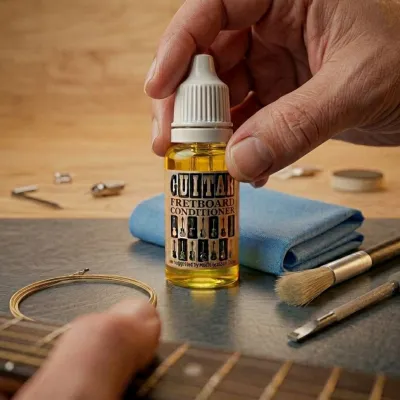
Next, apply the conditioner. If you are using a bottle with a dab-on applicator, press it gently against the wood to release a small amount of oil. If you are using a squeeze bottle, apply a few small drops directly onto a clean microfiber cloth rather than pouring it onto the wood. Rub the oil into the fretboard using gentle, circular motions, working it along the natural grain of the wood. Focus on ensuring even coverage across all frets, paying extra attention to the areas closest to the frets where grime tends to accumulate.
Once the oil is applied, allow it to sit on the wood for a brief waiting period. This typically takes between two to five minutes, depending on how dry the wood is. During this time, the porous wood will absorb the necessary moisture. Keep a close eye on the fretboard; if you notice the oil absorbing almost instantly, the wood is highly dehydrated.
After the waiting period, the most critical step is to wipe off all excess oil. Use a clean, dry section of your microfiber cloth to thoroughly buff the entire fretboard. Continue wiping until the surface feels completely dry to the touch and no oily residue remains. Leaving unabsorbed oil on the fretboard will attract dust, sweat, and dirt, creating a sticky layer that can degrade your strings and make playing difficult. If the wood stops absorbing oil during the application process, stop immediately; this is a clear sign that the wood has reached its saturation point.
Frequently Asked Questions (FAQ)
Can I use household lemon oil or furniture polish on my guitar?
No, you should never use household lemon oil or general furniture polishes on your guitar. Household furniture polishes frequently contain silicones and waxes designed to create a high-gloss shine on sealed wood surfaces. On an unfinished guitar fretboard, these silicones will penetrate deep into the wood pores, making future repairs or refretting work nearly impossible because wood glue cannot adhere to silicone-contaminated wood. Additionally, pure household lemon oil is highly acidic and can dry out, discolor, or degrade the natural wood fibers over time, leading to structural damage.
How often should I oil my guitar fretboard?
In the Philippines, the tropical climate is generally humid, which naturally helps prevent wood from drying out as quickly as it might in arid regions. However, if you frequently play or store your guitar in air-conditioned rooms, the dry air can strip moisture from the wood. As a general guideline, you should oil your fretboard one to two times a year. Rather than following a strict calendar, rely on visual and tactile inspections. Check the wood during string changes; if it looks pale, feels rough, or if you notice minor fret sprout, it is time to apply a light coat of conditioner.
Will lemon oil damage my guitar's finish or hardware?
Yes, guitar lemon oil can cause damage if it is allowed to come into contact with the wrong parts of your instrument. You should keep lemon oil away from the guitar’s body and the back of the neck, especially if the instrument has a delicate nitrocellulose or polyurethane finish. The oils and mild solvents in the conditioner can cause these finishes to cloud, soften, or peel over time. Additionally, take care to prevent oil from dripping onto the pickups, bridge saddles, or tuning machines. Excess oil on metal hardware can attract abrasive dust, clog moving parts, and accelerate corrosion.
Community discussion
Share your experience or ask a question. Comments are reviewed before publication.