
To begin developing emotional intelligence, a reader in the Philippines should look for books that balance foundational psychological concepts with highly practical, daily exercises. Rather than chasing fleeting self-help trends, the most effective starting point is a book that helps you identify your personal emotional triggers, navigate high-stress environments like humid commutes or demanding office spaces, and communicate clearly with family and colleagues. The unique social fabric of the Philippines—characterized by close-knit family structures, the cultural value of pakikisama (harmony), and the fast-paced nature of urban workplaces—makes emotional intelligence (EQ) an essential tool for personal and professional success.
Selecting the right book requires assessing your current personal goals, understanding your preferred learning style, and knowing how to verify the authenticity and quality of the books available in local and online marketplaces. By focusing on books that offer structured frameworks and actionable advice, you can build the self-awareness and empathy needed to thrive in both your personal and professional life. This guide will help you navigate the process of choosing the right emotional intelligence book to kickstart your self-improvement journey.
Understanding the Core Value of Emotional Intelligence
Before diving into specific reading materials, it is essential to understand the foundational components of emotional intelligence. Often abbreviated as EQ, emotional intelligence is not a single trait but a collection of distinct psychological skills. These skills are generally categorized into five core pillars: self-awareness, self-regulation, motivation, empathy, and social skills. Understanding these pillars allows you to identify which areas of your emotional life require the most attention and select a book that addresses those specific needs.
Products mentioned in this guide
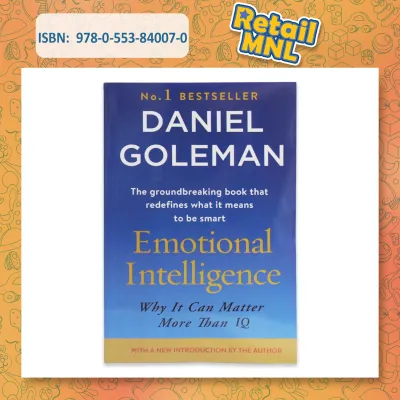
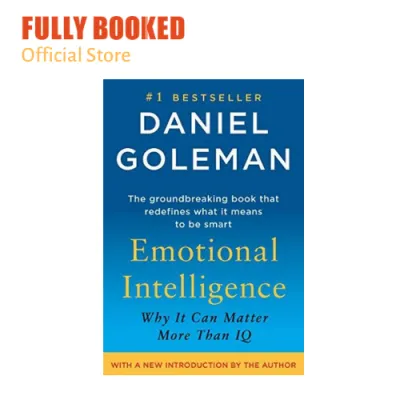
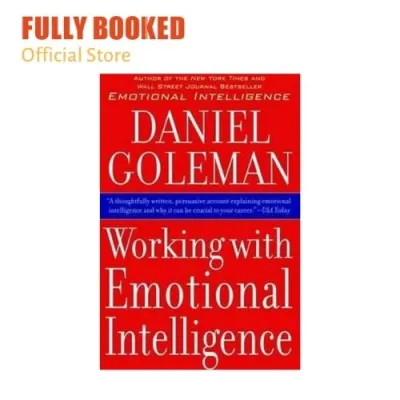
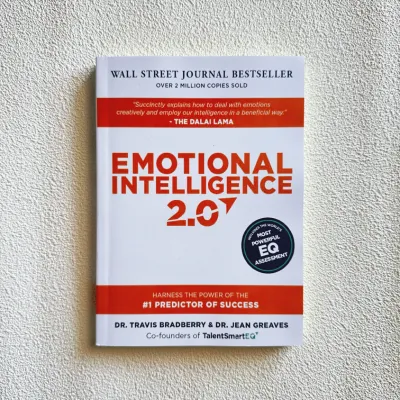
Prices are valid at publication and may change. Please refer to the product page for the latest price.
Self-awareness is the cornerstone of emotional intelligence. It is the ability to recognize and understand your own emotions as they occur, along with their impact on your thoughts and behavior. For instance, in a tropical climate where physical discomfort from heat and heavy traffic can easily translate into irritability, self-awareness helps you recognize that your frustration stems from the environment rather than a colleague’s minor mistake. Self-regulation builds on this awareness, enabling you to manage your emotional responses constructively rather than reacting impulsively. This skill prevents heated arguments and allows you to maintain professionalism even under pressure.
Motivation, within the context of EQ, refers to an internal drive to pursue goals for personal satisfaction and growth rather than external rewards like money or status. Empathy is the ability to understand and share the feelings of others, which is incredibly vital in a society that deeply values interpersonal harmony and community support. Finally, social skills represent the practical application of these emotional insights, allowing you to build rapport, manage conflicts, and lead others effectively.
Developing these skills has a profound impact on your daily decision-making, career progression, and interpersonal relationships. High emotional intelligence helps professionals handle constructive criticism without becoming defensive, leading to faster career growth and stronger professional networks. In personal relationships, EQ fosters deeper connections and reduces the frequency of misunderstandings. However, it is crucial to set realistic expectations regarding what a self-help book can achieve. A book can provide the cognitive frameworks, vocabulary, and exercises necessary for growth, but true emotional development requires consistent, long-term behavioral practice in real-world scenarios.
How to Evaluate and Select the Right Emotional Intelligence Book
With countless personal development books available, finding the right one can feel overwhelming. To make an informed choice, you need a practical framework to evaluate books based on their authorship, structure, and format. This ensures that the book you select aligns with your current reading level, learning preferences, and daily routine.

First, assess the author’s background and credentials. The self-help market features authors with vastly different areas of expertise. Academic researchers and psychologists base their writing on peer-reviewed studies, clinical data, and rigorous scientific frameworks. These books are excellent if you want to understand the theory behind human behavior, though they can sometimes be dense. Corporate coaches and leadership consultants focus on practical frameworks, organizational dynamics, and team management. Their books are highly actionable and tailored for professional environments. Personal development bloggers or influencers often rely on personal anecdotes and motivational storytelling. While engaging, these books may lack the scientific backing of academic texts.
Second, determine whether the book offers actionable exercises or focuses primarily on theoretical concepts. A good emotional intelligence book should strike a balance between explaining psychological theories and providing practical tools. Look for books that include self-assessment quizzes, journaling prompts, communication templates, or step-by-step exercises. If you prefer a hands-on approach, an interactive workbook might be more suitable than a standard narrative text. Conversely, if you enjoy learning through storytelling and case studies, a standard non-fiction book will keep you more engaged.
Third, consider your preferred reading format based on your daily routine. If you have a busy schedule with limited quiet time, an audiobook can turn a long, stressful daily commute into a productive learning window. If you enjoy active study sessions where you can highlight text and take notes, a physical paperback or hardcover book is ideal. Digital e-books offer the convenience of carrying multiple titles on a single device, making them perfect for reading during short breaks throughout the day. Choose the format that fits seamlessly into your lifestyle to ensure you stay committed to finishing the book.
Matching Book Categories to Your Specific Self-Improvement Goals
To maximize the value of your reading, it is helpful to categorize emotional intelligence books by their primary application area. Reading a book focused on corporate leadership might not help if your primary goal is to resolve deep-seated family conflicts or manage personal anxiety. Categorizing books ensures you invest your time and energy into material that directly addresses your current life challenges.
For Building Core Self-Awareness and Emotional Regulation
If your primary goal is to understand your internal triggers and manage your emotional responses, look for books that focus on internal reflection and mindfulness. These books help you map your internal landscape, teaching you to observe your thoughts and physical sensations when stressed. By identifying the physical signs of anger or anxiety before they escalate, you can implement coping strategies more effectively.
These selections often require dedicated quiet time for journaling, self-assessment quizzes, or meditation exercises. You cannot rush through this material; it demands active participation and honest self-reflection. If you choose a book in this category, prepare to set aside 15 to 30 minutes of uninterrupted time each day in a quiet space to reflect on the prompts and complete the exercises. Over time, this practice helps you break recurring emotional loops and develop a more balanced mindset.
For Navigating Workplace Dynamics and Leadership
For professionals aiming to improve office communication, conflict resolution, and team management, books tailored to workplace dynamics are essential. In professional settings, emotional intelligence is often the differentiator between technical competency and true leadership. Books in this category teach you how to deliver difficult feedback without damaging relationships, how to receive criticism without taking it personally, and how to navigate diverse, high-stress work environments.
When selecting a workplace-focused EQ book, verify if the material includes case studies or frameworks relevant to modern, multicultural, or high-pressure environments. Look for practical advice on managing up, handling difficult conversations with colleagues, and building psychological safety within teams. These tools will help you foster a more collaborative, productive, and emotionally healthy work environment.
For Strengthening Personal Relationships and Empathy
If you want to improve your family, romantic, or social connections, focus on books that emphasize active listening, non-violent communication, and healthy boundary setting. Personal relationships require a high degree of emotional attunement, and these books provide the tools to move past superficial interactions and build deeper, more meaningful connections.
Check if the material provides practical tools like conversational scripts, role-playing exercises, or specific strategies for de-escalating personal conflicts. Learning how to express your needs clearly without blaming others, and how to listen to others without immediately jumping to offer solutions, are core skills developed through these resources. Applying these strategies helps you build trust and mutual respect in your personal life.
Essential Checks Before Buying Books in the Philippines
Once you have identified the type of emotional intelligence book you need, the next step is purchasing a legitimate, high-quality copy. Navigating the local book market requires a few essential checks to ensure you get the best value for your money and avoid counterfeit products.
First, verify the edition and publication year of the book. Authors frequently update their work to include new research, revised exercises, or updated case studies. Ensure you are purchasing the most recent edition to get the most relevant information. This is particularly important for books that include self-assessment quizzes or digital resources, as older editions may refer to outdated websites or tools.
Second, check language availability and translation quality. While many emotional intelligence books are written in English, some readers may prefer translations or localized editions that explain complex psychological concepts in more accessible terms. If buying a translated version, check reader reviews to ensure the translation is accurate and natural, preserving the author’s original intent without confusing terminology.
Third, confirm physical condition, shipping origins, and seller reputation when purchasing from online marketplaces. The rise of e-commerce has made books highly accessible, but it has also increased the prevalence of counterfeit or poorly printed copies. Look for authorized online sellers, official publisher stores, or highly rated local book distributors. Avoid listings with unusually low prices, as these are often low-quality reprints with missing pages, blurry text, or fragile binding that falls apart in high-humidity environments.
Finally, compare prices across local physical bookstores and authorized online platforms. Legitimate copies of popular emotional intelligence books typically range from ₱300 to ₱1,200 depending on the format (paperback, hardcover, or workbook). Comparing prices helps you identify fair market rates and avoid overpaying while ensuring you support the authors and publishers by purchasing authentic copies.
Transitioning from Reading to Daily Emotional Practice
Reading an emotional intelligence book is a great first step, but the real benefit comes from applying those concepts to your daily life. Transitioning from passive consumption to active practice requires intentional effort and consistency.
Start with small, observable habits. Do not try to overhaul your entire emotional life overnight. Instead, implement one small change, such as conducting a two-minute emotional check-in every morning or practicing a deliberate five-second pause before responding to an irritating message or email. These small actions build emotional muscle memory over time, making it easier to handle high-stress situations calmly.
Use a dedicated journal to track your progress. Documenting your emotional triggers, your physical reactions, and the outcomes of applying new communication frameworks provides invaluable insights over time. It allows you to see patterns in your behavior and measure your growth objectively. Reflecting on your daily interactions helps reinforce the lessons learned from your reading.
Finally, recognize the limits of self-study. While books are powerful tools for self-improvement, they are not a substitute for professional mental health support. If you find yourself dealing with deep-seated trauma, persistent anxiety, or severe emotional distress that a book’s exercises cannot resolve, know when to pause your reading and seek the guidance of a qualified counselor or psychologist. Professional guidance can provide personalized strategies to help you navigate complex emotional challenges safely and effectively.
Frequently Asked Questions (FAQ)
Can reading a single book significantly improve my emotional intelligence?
No, reading a single book is only the first step. A book provides the necessary vocabulary, frameworks, and self-awareness tools, but true emotional intelligence is a skill developed through consistent, daily practice in real-world social interactions. Think of a book as a manual; you must actively practice the skills to see lasting improvement.
Are workbooks better than standard non-fiction books for learning emotional intelligence?
It depends on your learning style. Workbooks are highly beneficial if you prefer structured, hands-on exercises, self-assessments, and immediate practical application. Standard non-fiction books are better if you want to understand the underlying psychological theories, scientific research, and narrative case studies behind emotional intelligence.

Community discussion
Share your experience or ask a question. Comments are reviewed before publication.