
Finding the right eBook platform for purchasing a medical surgical book in the Philippines depends on your specific study workflow, institutional access, and offline reading requirements. While mainstream retail platforms offer excellent device compatibility and permanent ownership models, specialized academic platforms provide advanced study tools, integrated medical dictionaries, and precise citation features that are essential for clinical training. Navigating these options requires evaluating how each platform handles complex anatomical illustrations, digital rights management (DRM), and local payment methods in Philippine Pesos (₱). By understanding the distinct advantages of general retailers versus dedicated medical platforms, nursing and medical students can make an informed investment that supports their rigorous academic demands. This guide analyzes the key factors to consider, compares the leading digital reading environments, and provides a practical decision framework to help you choose the platform that effectively fits your medical education journey.
Key Factors to Evaluate Before Buying Digital Textbooks
Medical surgical textbooks are massive, highly detailed volumes filled with complex surgical diagrams, anatomical charts, and clinical decision trees. Unlike standard fiction, these textbooks rely heavily on precise visual layouts to convey critical medical procedures. When choosing a digital platform, the first technical factor to evaluate is format compatibility, specifically the choice between fixed-layout formats and reflowable text. Fixed-layout files preserve the exact page design of the printed textbook, ensuring that labels, diagrams, and text columns remain properly aligned. Reflowable text, while convenient for reading on smaller smartphone screens during a commute, can disrupt the positioning of complex surgical illustrations, separating labels from their corresponding anatomical structures.
Digital Rights Management (DRM) is another critical consideration that directly impacts how you use your digital textbook. Publishers of high-value medical literature enforce strict DRM policies to prevent unauthorized sharing, which can limit the number of devices you can authorize simultaneously. Before purchasing, you must verify whether a platform allows you to access your book on your laptop, tablet, and smartphone concurrently. Furthermore, offline access capabilities are vital for students in the Philippines, where internet connectivity can be inconsistent during typhoons or in deep hospital basements. A platform that requires a constant internet connection to render pages or verify licenses can severely disrupt your study sessions or clinical rounds.
Products mentioned in this guide
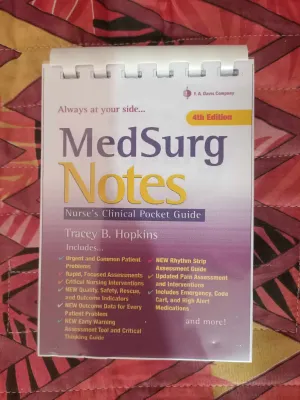
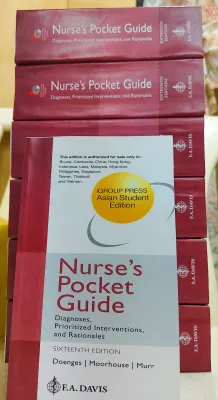
Prices are valid at publication and may change. Please refer to the product page for the latest price.
The quality of study and annotation tools can make or break your digital learning experience. Medical surgical books require active reading, which means you need robust highlighting, color-coding, and note-taking features that sync seamlessly across all your devices. Some platforms offer advanced search functions that allow you to search for specific clinical terms across your entire digital library instantly. Additionally, the ability to export your annotations and highlighted text into external study apps or flashcard programs is a major advantage for active recall and spaced repetition. You should check if the platform limits the percentage of text you can copy or export, as strict DRM rules often restrict copying to prevent copyright infringement.
Comparing Major eBook Platforms for Medical Readers
To choose the right platform, you must understand the fundamental split in the digital publishing landscape. On one side are mainstream consumer retailers that cater to a broad audience but carry academic titles, while on the other side are specialized academic platforms built specifically for professional and clinical education. Each category operates under different licensing models, pricing structures, and technical limitations that affect your long-term access to critical medical knowledge.

Mainstream Retailers (e.g., Kindle, Google Play Books)
Mainstream retail platforms offer a familiar and highly accessible entry point for purchasing a medical surgical book. These platforms boast massive catalogs that often include international editions of major medical textbooks, allowing you to browse and purchase titles directly using local payment methods. Pricing on these platforms can fluctuate, and you will occasionally find promotional discounts or regional pricing adjustments reflected in Philippine Pesos (₱). This makes them highly attractive for self-funded students looking to minimize their upfront educational expenses.
The reading experience on general retail apps is highly optimized for consumer devices, offering smooth page transitions, customizable background colors, and reliable cross-device synchronization. If you highlight a passage on your tablet while studying in a coffee shop, those changes will immediately appear when you open the app on your phone during clinical rotations. However, these consumer-focused apps are primarily designed for reflowable text, which can make navigating dense, multi-column medical layouts and high-resolution surgical diagrams somewhat cumbersome.
The most significant limitation of mainstream retailers lies in their lack of advanced academic features. These platforms rarely offer integrated medical dictionaries, specialized clinical search tools, or automated citation generators that conform to medical journal standards. Furthermore, their DRM restrictions are often rigid, meaning you cannot easily export your notes in a structured format suitable for creating comprehensive study guides. If your study workflow relies heavily on compiling detailed clinical summaries or generating bibliography entries, a general retail platform may require significant manual workarounds.
Academic and Specialized Platforms (e.g., VitalSource, ClinicalKey)
Academic and specialized digital platforms are engineered specifically to meet the rigorous demands of medical education and clinical practice. These platforms often partner directly with major medical publishers to deliver high-fidelity digital editions that preserve the exact layout of the printed textbook. Rather than relying solely on individual retail purchases, these platforms frequently operate on institutional subscription models or offer time-limited digital rentals alongside perpetual purchase options.
One of the primary advantages of specialized platforms is the inclusion of advanced study suites designed for medical students. These features often include built-in medical dictionaries, interactive anatomical models, and the ability to share notes and highlights directly with classmates or instructors. Many of these platforms also feature sophisticated search engines that can scan not just book titles, but the full text of entire libraries to find specific clinical guidelines, drug dosages, or surgical techniques in seconds.
However, these advanced features come with strict operational rules and potential limitations. Specialized platforms often enforce highly restrictive offline access policies, requiring you to use dedicated desktop or mobile applications to download content for offline use. These downloads may be subject to periodic license verification checks, meaning you must connect to the internet every few weeks to keep your offline books active. Additionally, while institutional access provided by your university or hospital can save you thousands of Pesos, these subscriptions typically expire once you graduate, leaving you without access to your reference library when you transition to professional practice.
How to Verify Edition, Format, and Regional Availability
Before committing to a digital purchase, you must perform a series of essential pre-purchase checks to ensure you are buying the correct version of your medical surgical book. The medical field is constantly evolving, with new guidelines, drug formulations, and surgical techniques updated every few years. Purchasing an outdated edition can lead to studying obsolete clinical protocols, which can compromise both your academic performance and patient safety. Always verify the exact 13-digit ISBN, the publication year, and the publisher’s name on the platform’s detail page rather than relying solely on the book’s cover image or title.
Format verification is equally critical to ensure the textbook is readable on your primary study device. Many online stores list medical books without clearly specifying whether the file is a reflowable EPUB or a fixed-layout PDF equivalent. To avoid a frustrating reading experience, look for labels such as “Page Fidelity,” “Print Replica,” or “Fixed Layout” in the product specifications. If the platform allows it, download a free sample of the book first to test how the anatomical diagrams, tables, and sidebars render on your tablet or laptop screen.
Regional availability and currency compatibility are common hurdles for digital buyers in the Philippines. Due to licensing agreements between international publishers and local distributors, certain medical textbooks may be geo-restricted or unavailable for purchase from Philippine IP addresses. Always ensure that the platform displays the final checkout price in Philippine Pesos (₱) and that your local payment method is accepted without incurring high foreign transaction fees. Be cautious of third-party sellers offering cheap digital downloads or PDF links on online marketplaces, as these are almost always unauthorized, pirated copies that lack essential platform features, updates, and interactive study tools.
Decision Framework: Which Platform Fits Your Study Workflow?
To finalize your choice, you should align your platform selection with your daily study habits, device preferences, and long-term professional goals. If your primary objective is long-term ownership, broad device compatibility, and a straightforward reading experience, a mainstream retail platform is often the most practical choice. These platforms are ideal for students who prefer reading on dedicated e-readers or lightweight mobile apps and do not require advanced academic tools to compile their study notes.
Conversely, if your academic success depends on deep-dive studying, collaborative note-taking, and rapid clinical referencing, a specialized academic platform is highly effective. The advanced search capabilities, integrated medical dictionaries, and structured note-export functions are invaluable assets during intense exam preparation and clinical clerkships. These platforms are best suited for students who do their heavy studying on laptops or large-screen tablets and require precise, page-for-page matches with the printed textbooks used by their professors.
Before spending your personal budget on any digital textbook, always check with your medical school library or hospital administration. Many institutions in the Philippines maintain active subscriptions to major medical databases and digital libraries, providing students with free or highly subsidized access to essential medical surgical books. Utilizing these institutional resources first can save you significant financial expense, allowing you to allocate your budget toward other essential medical equipment or physical study guides that complement your digital library.
Frequently Asked Questions (FAQ)
Can I print or export my notes from these eBook platforms?
Yes, but the extent of printing and exporting depends heavily on the platform’s specific digital rights management (DRM) policies and academic tools. Mainstream retail platforms typically allow you to export your highlights and notes via email or to general note-taking applications, though they may impose strict character limits on the amount of text you can copy at one time. Specialized academic platforms often feature dedicated study panes that allow you to organize and export your annotations into structured study guides or citation managers. However, direct printing of textbook pages is often restricted or entirely blocked to prevent copyright infringement, so you should not rely on digital textbooks if you require physical paper copies of entire chapters.
Do medical surgical eBooks expire or require a recurring subscription?
Whether your digital textbook expires depends entirely on the purchase model you select. If you buy an individual eBook from a mainstream retailer or purchase a perpetual license from an academic platform, you generally retain access to that specific edition indefinitely, subject to the platform’s continued operation. However, if you access your textbooks through an institutional subscription provided by your university or hospital, your access will typically expire when you graduate or leave the institution. Additionally, some specialized platforms offer lower-cost digital rentals for specific durations, such as 120 or 180 days, which are ideal for single-semester courses but will expire automatically once the rental period ends.
Community discussion
Share your experience or ask a question. Comments are reviewed before publication.