
Choosing the right digital platform for books for kids educational purposes in the Philippines depends on your child’s reading volume, your educational goals, and your household budget. Because children’s learning needs evolve rapidly, there is no single platform that fits every family. Instead, digital reading options generally fall into three distinct categories, each serving a different type of reader.
Subscription-based platforms are highly suitable for high-volume readers who go through multiple books a week. These services charge a recurring fee in Philippine Pesos (₱) and grant unlimited access to a vast library of titles, making them excellent for children who love to explore diverse subjects without the constraint of purchasing individual volumes. However, this model can sometimes lead to choice paralysis if a child is overwhelmed by too many options at once.
Pay-per-book storefronts are ideal if you prefer to build a permanent, carefully curated digital library. This model allows you to purchase individual textbooks, classic literature, or specific educational series that your child can access indefinitely. It is a highly reliable choice for families who want to focus on specific school-required texts without the pressure of an ongoing monthly subscription.
Products mentioned in this guide
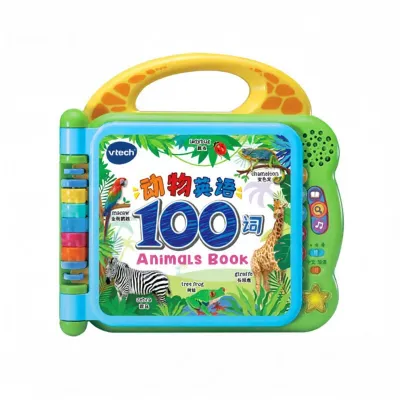

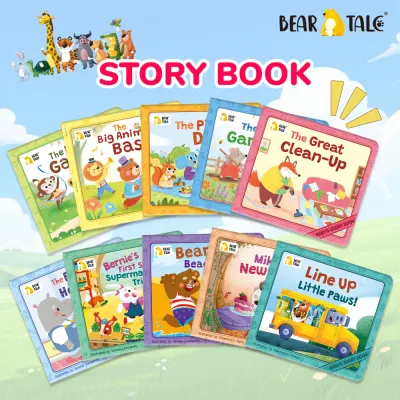
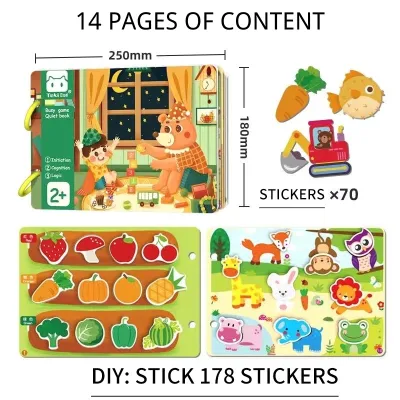
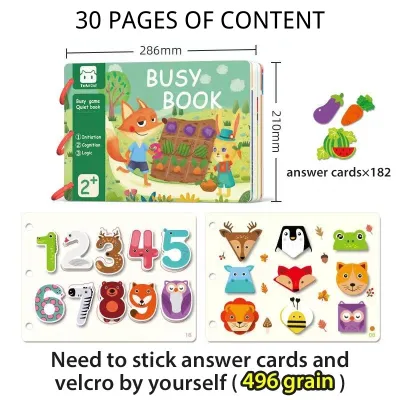
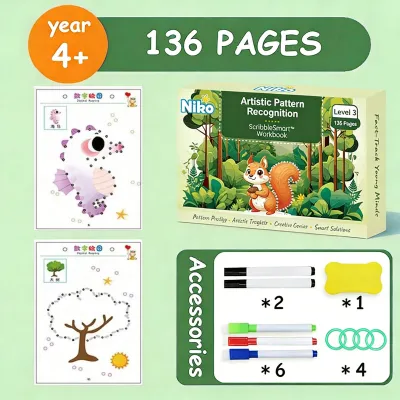
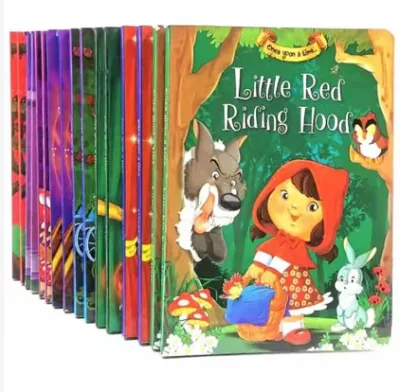
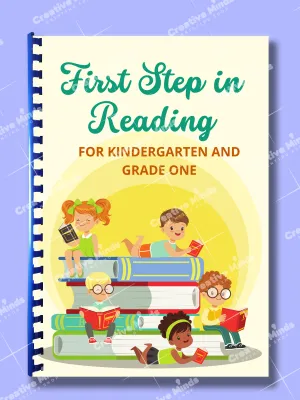
Prices are valid at publication and may change. Please refer to the product page for the latest price.
Digital library applications offer a budget-friendly alternative by allowing families to borrow eBooks for free using school or public library credentials. This option is perfect for resource-conscious households looking to supplement schoolwork without additional monthly expenses, though popular educational titles may sometimes have digital waitlists.
Key Comparison Criteria for Kids' Educational eBooks
When evaluating any digital reading platform, content curation and educational alignment should be your primary focus. Look for platforms that categorize books by clear reading level indicators, such as Lexile measures or grade-level equivalents, rather than just broad age groups. This ensures the material matches your child’s actual reading comprehension and supports their school curriculum effectively.
Robust parental controls are essential for maintaining a safe digital environment. A high-quality platform should allow you to set up individual child profiles, restrict access to specific content categories, and lock purchase options behind a parental PIN. Screen-time management tools that automatically pause the app after a set period can also help prevent eye strain during long study sessions.
An ad-free environment is another critical factor for children’s safety and focus. Many free or low-cost platforms monetize through advertisements, which can be highly disruptive and may expose children to inappropriate content. Prioritize platforms that guarantee a completely ad-free experience, ensuring that your child’s attention remains entirely on their educational material.
The balance between interactive learning features and distraction-free reading modes also requires careful consideration. While interactive elements like read-aloud narration, clickable vocabulary definitions, and built-in comprehension quizzes can enhance engagement, excessive animations or gamified rewards can distract children from the actual text. Choose platforms that allow you to toggle these interactive features on or off depending on your child’s learning style.
Language support is a unique consideration for families in the Philippines. While English-language educational materials are widely available across global platforms, finding resources that support regional languages or mother-tongue curriculum requirements can be more challenging. Verify whether a platform offers localized content or bilingual books if you want to support your child’s early school language requirements.
Evaluating Pricing Models and Long-Term Value
To determine the most economical choice for your household, you must calculate the true cost of different platform models over time. A monthly subscription might seem affordable initially, but the cumulative cost over a year can easily exceed the price of several high-quality physical or individual digital books. Compare the recurring subscription fee in ₱ against your child’s actual reading speed to see if you are getting sufficient value.

Be highly attentive to free trial limitations and subscription terms. Many platforms require payment details upfront and will automatically transition to a paid subscription once the trial period ends. Always check the cancellation policy to ensure you can easily opt out online without hidden fees, and verify if the platform accepts local payment methods like mobile wallets, which are widely used in the Philippines.
Evaluate the platform’s family sharing options and multi-user profile capabilities. Some services allow you to create multiple profiles under a single subscription, which is highly beneficial if you have children of different ages and reading levels. Check the simultaneous device access limits to ensure that siblings can read different books at the same time on separate tablets or phones without getting logged out.
Consider the long-term ownership of the digital content you purchase. With pay-per-book storefronts, you generally retain access to the books as long as the platform exists, allowing younger siblings to inherit the digital library years later. In contrast, subscription-based platforms offer zero access to the library once the subscription is canceled, meaning the long-term value relies entirely on continuous payments.
Checking Device Compatibility and Offline Accessibility
Before committing to any platform, verify that its application runs smoothly on your existing hardware. Some platforms are optimized for specific operating systems, such as iOS or Android, while others may have restricted functionality on dedicated e-reader devices. Ensuring compatibility prevents the frustration of purchasing a subscription only to find the app lags or crashes on your family’s primary tablet.
Offline download capabilities are absolutely vital in the Philippines, where internet connectivity can be intermittent due to weather disruptions, brownouts, or regional network limitations. A reliable platform must allow you to download books directly to your device’s local storage while connected to Wi-Fi. This ensures your child can continue their lessons or reading routines during travel or power outages.
Check the storage requirements of the platform’s app, especially if your children’s devices have limited internal memory. Highly illustrated children’s books and interactive media files can quickly consume gigabytes of space. Look for platforms that offer easy storage management tools, allowing you to delete read books while keeping your child’s reading progress saved in the cloud.
Cross-device syncing is another convenient feature to look for. If your child starts reading a book on a tablet at home, the platform should automatically sync their bookmarks, highlighted vocabulary, and reading progress to a smartphone or another device. This seamless transition makes it easier to encourage reading habits on the go, whether you are running errands or traveling.
In tropical climates, high humidity and dust can degrade physical books over time, leading to mold or insect damage. Digital reading on a tablet protected by a sturdy case can be a highly durable alternative, but the device itself must be kept cool and charged. Ensuring your digital platform has a robust offline mode helps mitigate the challenges of local infrastructure while protecting your educational investment.
How to Verify Educational Quality Before Committing
The most effective way to assess a platform’s educational value is to actively utilize its free trial period. Rather than letting your child browse freely immediately, take the time to explore the interface yourself first. Check the responsiveness of the search tools, the clarity of the illustrations, and whether the educational tags accurately reflect the difficulty of the books.
Involve your child in the evaluation process during the trial. Observe their behavior as they interact with the platform: do they get frustrated by the navigation, or do they find it intuitive? Note whether they spend more time playing the built-in mini-games than reading the actual story, as this can help you decide if the platform’s design supports genuine learning.
Cross-reference the platform’s catalog with your child’s school reading lists or national educational standards. Many schools provide recommended reading guides for each grade level. By searching for these specific titles or authors on the platform, you can verify if the service actually carries the high-quality literature required for your child’s academic progress.
Seek out independent feedback from local educator networks, parent-teacher associations, and online parenting communities. Fellow parents can offer practical insights into how well a platform performs under local conditions, such as its ease of payment via local digital wallets or its reliability on budget-friendly tablets. Avoid relying solely on promotional reviews on the platform’s own website.
Frequently Asked Questions (FAQ)
Can multiple children share a single eBook platform account?
Yes, many digital reading platforms support multi-user profiles under a single account, allowing each child to have a personalized dashboard. This separation is crucial because it ensures that reading recommendations, vocabulary lists, and progress tracking remain tailored to each child’s specific reading level. However, you must verify the platform’s policy on simultaneous device streaming. Some subscriptions limit active reading to one or two devices at a time, which may cause conflicts if multiple children want to read simultaneously on different screens.
Are educational eBooks as effective as physical books for early readers?
Digital educational books can be highly effective learning tools when used mindfully, though they serve a different developmental purpose than physical books. Physical books offer tactile feedback and are generally free from digital distractions, making them excellent for early childhood motor skills and focused, shared reading time with parents. eBooks, on the other hand, provide valuable interactive tools like instant dictionary lookups and audio narration that support independent vocabulary building. To balance these benefits and manage screen fatigue, educators often recommend setting clear screen-time boundaries and combining both mediums in your child’s daily reading routine.
Community discussion
Share your experience or ask a question. Comments are reviewed before publication.