
Deepening your Catholic faith is a deeply personal, lifelong journey that requires reliable, doctrinally sound resources to guide your reflections. CSMI Publishing offers a diverse catalog of spiritual literature designed to support various stages of faith development, from daily devotional habits to rigorous scripture study. To select the most suitable books for your spiritual growth, you must carefully match your personal goals with the correct book categories, verify translation accuracy, and ensure you are sourcing authentic editions from authorized distributors.
Navigating a spiritual catalog requires a structured approach to ensure the texts you read align with established Catholic teachings. By focusing on verified publications, you protect your study time from theological inaccuracies and poorly translated works. Choosing the right book involves assessing your current spiritual needs, understanding the format that best fits your daily routine, and performing essential quality checks before making a purchase.
Navigating the CSMI Publishing Spiritual Catalog
Finding authentic CSMI Publishing materials in the Philippines requires identifying authorized distribution channels. Genuine spiritual texts are primarily distributed through official Catholic book centers, diocesan offices, parish-run bookstores, and verified online storefronts operated by recognized religious organizations. Purchasing from these verified sources ensures that the books you receive are complete, accurate, and printed with the authorization of the publisher.
Products mentioned in this guide
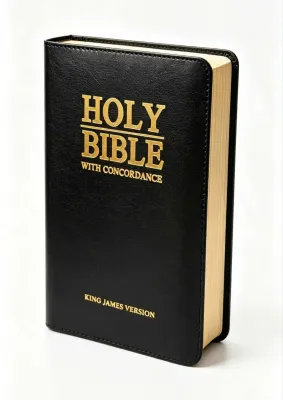
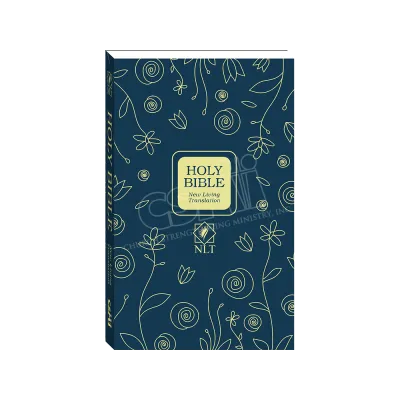

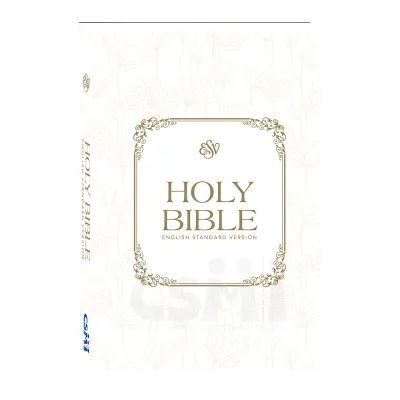
![ESV [English Standard Version] Youth Edition Bible - Old and New Testaments: WAVE](https://img.lazcdn.com/g/p/f943a835491e0d12afea0a58c959b5a7.png_400x400q80.png_.webp)
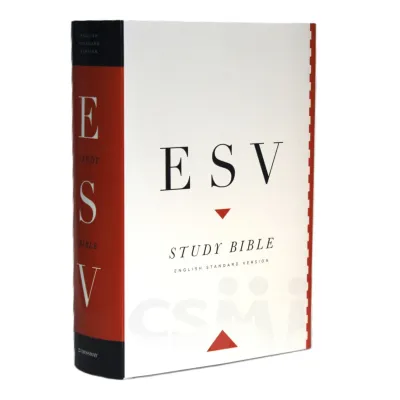
Prices are valid at publication and may change. Please refer to the product page for the latest price.
To avoid unauthorized or pirated religious texts, readers must exercise caution when browsing general online marketplaces. Pirated books often suffer from missing pages, poor binding, and typographical errors that can inadvertently alter the theological meaning of critical passages. When evaluating a seller, look for official publisher badges, check for consistent print quality in buyer-uploaded photos, and verify that the seller is listed as an authorized distributor on the publisher’s official directory.
Understanding the general scope of CSMI Publishing’s catalog helps you narrow down your search. Their publications generally span three major categories: devotional guides, scripture study aids, and historical biographies of saints. By identifying which category aligns with your current spiritual focus, you can navigate their catalog more efficiently and avoid purchasing materials that may not match your current learning or prayer goals.
Supporting authorized distributors also directly contributes to the ongoing mission of religious publishing. When you purchase genuine editions, your resources help fund the translation, printing, and distribution of future spiritual works. This support is vital for maintaining a steady supply of high-quality, doctrinally sound reading materials for the local Catholic community.
Matching Books to Your Spiritual Development Goals
Before selecting a specific title, take time to assess your personal spiritual needs and current faith journey. Spiritual reading is most effective when it addresses a specific area of growth, such as overcoming difficulties in prayer, understanding the historical context of scripture, or seeking moral inspiration from the lives of holy men and women. Reflecting on your current challenges and goals will help you choose a book that offers practical, relevant guidance.

Using the publisher’s categorization system is an excellent way to filter relevant materials. Most catalogs group books by their primary theological or practical focus, allowing you to bypass advanced academic commentaries if you are looking for a simple daily reflection guide. Aligning your reading level and available time with the book’s intended purpose prevents frustration and helps you maintain a consistent reading habit.
Selecting Titles for Prayer Life and Devotion
When choosing books to enhance your prayer life, you must decide between structured prayer formats and free-form meditation guides. Structured books, such as those containing novenas, litanies, and daily devotionals, are highly beneficial for establishing a disciplined routine. These guides provide specific prayers for different times of the day or year, helping you stay focused during moments of distraction.
Key Considerations for Devotional Books:
- Liturgical Alignment: Verify if the devotional guide follows the standard Catholic liturgical calendar, which helps align your personal prayers with the global Church seasons.
- Traditional Prayers: Ensure the book includes standard Catholic prayers, such as the Rosary, the Angelus, and prayers for Eucharistic Adoration, to support your parish-based devotions.
- Reflection Prompts: Look for books that offer short, practical reflection questions at the end of each entry to help apply the spiritual lessons to your daily life.
Choosing Resources for Scripture Study
Scripture study requires resources that provide clear historical and theological context to help you interpret biblical texts accurately. When selecting study guides or commentaries, the first step is to verify the specific Bible translation used in the text. Catholic scripture study materials should utilize approved translations, such as the Revised Standard Version Catholic Edition (RSV-CE) or the New American Bible Revised Edition (NABRE), to ensure doctrinal consistency.
Key Considerations for Scripture Study Guides:
- Theological Depth: Choose a guide that matches your current theological background; beginners may prefer narrative-style summaries, while advanced readers may require detailed verse-by-verse commentaries.
- Footnotes and Cross-References: Opt for books that include extensive cross-references to the Catechism of the Catholic Church, which helps connect biblical passages to official Church teachings.
- Study Questions: Look for guides that feature group discussion questions if you plan to use the book within a parish study circle or family setting.
Exploring Saints' Stories and Biographies
Biographies of the saints, or hagiographies, offer powerful real-world examples of faith in action. When selecting these books, it is important to distinguish between historical biographies and devotional story collections. Historical biographies focus on documented facts, letters, and the cultural context of the saint’s life, making them ideal for academic or deep historical learning. Devotional collections, on the other hand, emphasize the spiritual virtues and miracles of the saints, focusing on personal inspiration.
Key Considerations for Biographies:
- Target Audience: Check the book description for age-appropriateness indicators, as some biographies are written specifically for children or teenagers, while others contain mature historical themes suitable only for adults.
- Primary Sources: Look for books that quote directly from the saint's own writings, diaries, or letters, as these provide the most authentic insight into their spiritual journey.
- Practical Application: Select biographies that conclude each chapter with lessons on how to emulate the saint's virtues in modern, everyday situations.
Essential Checks Before Buying Religious Books
To ensure a satisfying and spiritually enriching reading experience, you must perform several practical checks before finalizing your purchase. These checks cover language editions, physical formats, content completeness, and official ecclesiastical approvals. Taking these steps guarantees that the book you receive is compatible with your lifestyle and meets the high standards of Catholic publishing.
First, verify the language edition and translation of the book. Many spiritual classics and study guides are translated from Latin, Spanish, or other languages. Ensure that the English translation is clear, modern, and widely accepted by Catholic scholars. Additionally, check for any regional printing restrictions, as some editions may only be authorized for sale in specific countries due to copyright agreements.
Second, consider the physical format or digital file compatibility. If you prefer physical books, consider the binding and paper quality, especially in the humid tropical climate of the Philippines. High humidity can cause pages to yellow, warp, or develop mold over time. To protect your physical library, look for books with durable covers, store them in well-ventilated areas away from direct sunlight, and consider placing silica gel packets on your bookshelves to absorb excess moisture. If you prefer digital reading, verify the file format (such as EPUB or PDF) and ensure it is compatible with your specific e-reader device before purchasing.
Third, review the book for content completeness and official ecclesiastical approvals. For books dealing with Catholic doctrine, scripture, or public prayers, look for the Imprimatur and Nihil Obstat on the copyright page. These official declarations indicate that the book has been reviewed by church authorities and is free from doctrinal or moral error. While not all spiritual books require these seals, they provide an extra layer of assurance for study materials and doctrinal guides.
Finally, confirm that you are purchasing from an authorized seller to guarantee content integrity. Authorized sellers guarantee that the text has not been altered, abridged, or poorly scanned. When budgeting for your spiritual library, keep in mind that local shipping fees across the archipelago typically range from ₱50 to ₱200, so consolidating your purchases from a single authorized distributor can help you save on overall costs.
Building a Sustainable Spiritual Reading Routine
Acquiring the right spiritual books is only the first step; integrating them into your daily life is where true spiritual growth occurs. To build a sustainable reading routine, start by setting realistic, manageable goals based on the structure of the book. Rather than attempting to read large sections at once, commit to reading just five to ten pages, or one short chapter, each day. This approach prevents burnout and allows you to absorb the material more deeply.
Combining your reading with active prayer and reflection transforms the activity from a simple intellectual exercise into a spiritual encounter. Many readers find success using the method of Lectio Divina, which involves reading a short passage, meditating on its meaning, praying in response, and resting quietly in contemplation. Keeping a dedicated spiritual journal nearby allows you to write down key insights, personal resolutions, and prayers inspired by your reading.
Adjusting your reading pace is crucial when engaging with spiritual literature. Unlike secular books read for entertainment, spiritual books require a slower, more reflective pace. If a particular paragraph or sentence strikes you deeply, pause your reading and spend time meditating on that concept. Prioritizing reflection over completion speed ensures that the teachings have a lasting impact on your daily actions, decisions, and relationships.
Frequently Asked Questions (FAQ)
How can I verify if a CSMI Publishing book is an authorized edition?
To verify the authenticity of a CSMI Publishing book, start by checking the copyright page for the official publisher logo, a valid International Standard Book Number (ISBN), and the publication details. Authentic editions feature high-quality cover printing, clear typography, and sturdy binding. For books containing official Catholic doctrine or prayers, look for the Imprimatur and Nihil Obstat seals. To guarantee you are receiving an authorized edition, purchase your books directly from official Catholic diocesan bookstores, recognized parish supply shops, or the publisher’s verified online storefronts.
Are CSMI Publishing digital books compatible with all e-readers?
Digital book compatibility depends on the specific file format provided by the publisher and the technical specifications of your e-reader. Most digital spiritual books are distributed in standard formats such as EPUB or PDF, which are compatible with a wide range of e-readers, tablets, and smartphones. Before purchasing, check the product description to identify the supported file formats and verify if the file contains Digital Rights Management (DRM) restrictions. DRM protections may limit your ability to transfer the book between different devices or require specific reading applications to open.
Community discussion
Share your experience or ask a question. Comments are reviewed before publication.